

Phone/Whatsapp:+8613917160311
Email: info@nxf-group.com
Email: Andrew@nxf-group.com
Email: Alice@nxf-group.com


NXF UNS A234 WBP/C-Mn-Si Carbon Steel Zinc Plating Motor Power Tool Accessories CNC Metal Heat Insulation Gasket
soft or elastomeric gaskets, these are made with metallic or metallurgical composite structures, offering:
* Superior thermal resistance (upwards of 400 °C / 750 °F, and beyond)
* Excellent chemical inertness and pressure integrity
* Stability against thermal cycling, creep, and compression set
- Chemical Composition:Mainly C, Mn, Si, P, S; alloy grades add Cr, Mo, V for enhanced performance.
- Mechanical Properties:Tensile strength ≥415MPa, yield strength ≥240MPa, elongation ≥22%, good toughness & weldability.
- Application:Used in oil, gas, petrochemical, power, water treatment industries; for 150-2500 class pressure fittings
(elbows,tees, reducers), working temp -29℃~593℃.
- Key Features:High pressure resistance, corrosion resistance (alloy grades), stable performance, suitable for harsh working environments.
soft or elastomeric gaskets, these are made with metallic or metallurgical composite structures, offering:
* Superior thermal resistance (upwards of 400 °C / 750 °F, and beyond)
* Excellent chemical inertness and pressure integrity
* Stability against thermal cycling, creep, and compression set



 Specification
insulation core materials like ceramic fibers and asbestos substitutes; conduct a full inspection on substrate thickness, core material insulation performance and temperature resistance grade, and reject unqualified raw materials.


1. who are we?
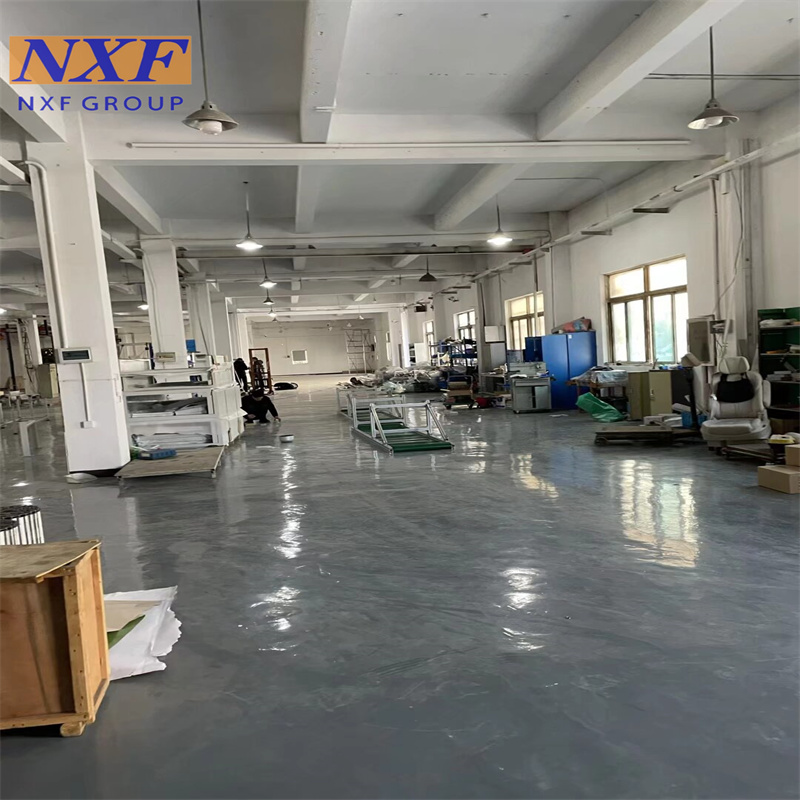
We are based in Jiangsu, China, start from 2021,sell to South Asia(30.00%),Eastern Asia(10.00%),Mid East(10.00%),Eastern Europe(10.00%),South America(10.00%),Domestic Market(5.00%),North America(5.00%),Northern Europe(5.00%),Central America(5.00%),Africa(5.00%),Southeast Asia(5.00%). There are total about 101-200 people in our office.
2. how can we guarantee quality?
Always a pre-production sample before mass production;
Always final Inspection before shipment;
3.what can you buy from us?
Pipe,Flange,Steel plate,Pipe fittings,Alloy products
4. why should you buy from us not from other suppliers?
Our advantage:3S Service (Small Quantity/Short Time/Special Material) We have our own factories, quality can be controlled seriously.We Specialize in manufacturing about 21 years.We have professional testing department and testing equipment.
5. what services can we provide?
Accepted Delivery Terms: FOB,CFR,CIF,EXW,FCA,DDP,DDU;
Accepted Payment Currency:USD,EUR,CAD,HKD,CNY;
Accepted Payment Type: T/T,L/C,D/P D/A,Credit Card,PayPal;
Language Spoken:English,Chinese,Spanish,Russian
total 0 Sheet,Only 5 images can be uploaded, each less than 5m.