

Phone/Whatsapp:+8613917160311
Email: info@nxf-group.com
Email: Andrew@nxf-group.com
Email: Alice@nxf-group.com
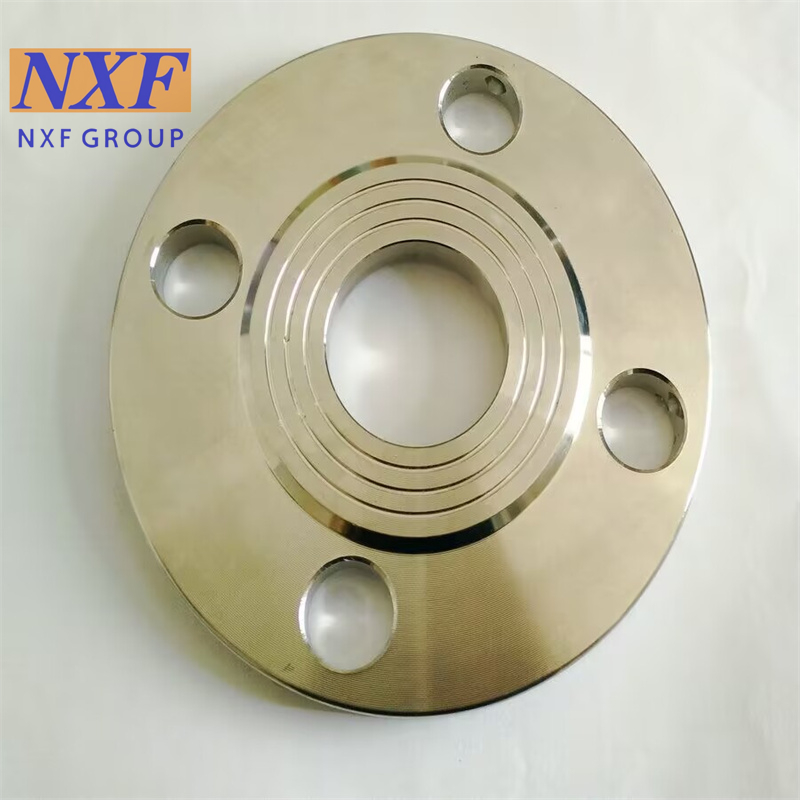
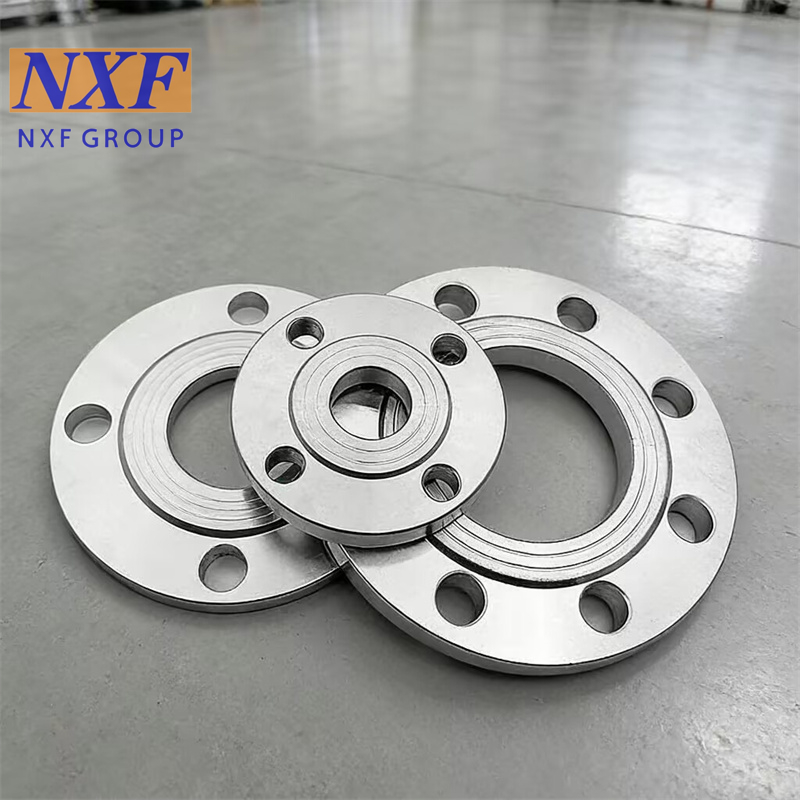
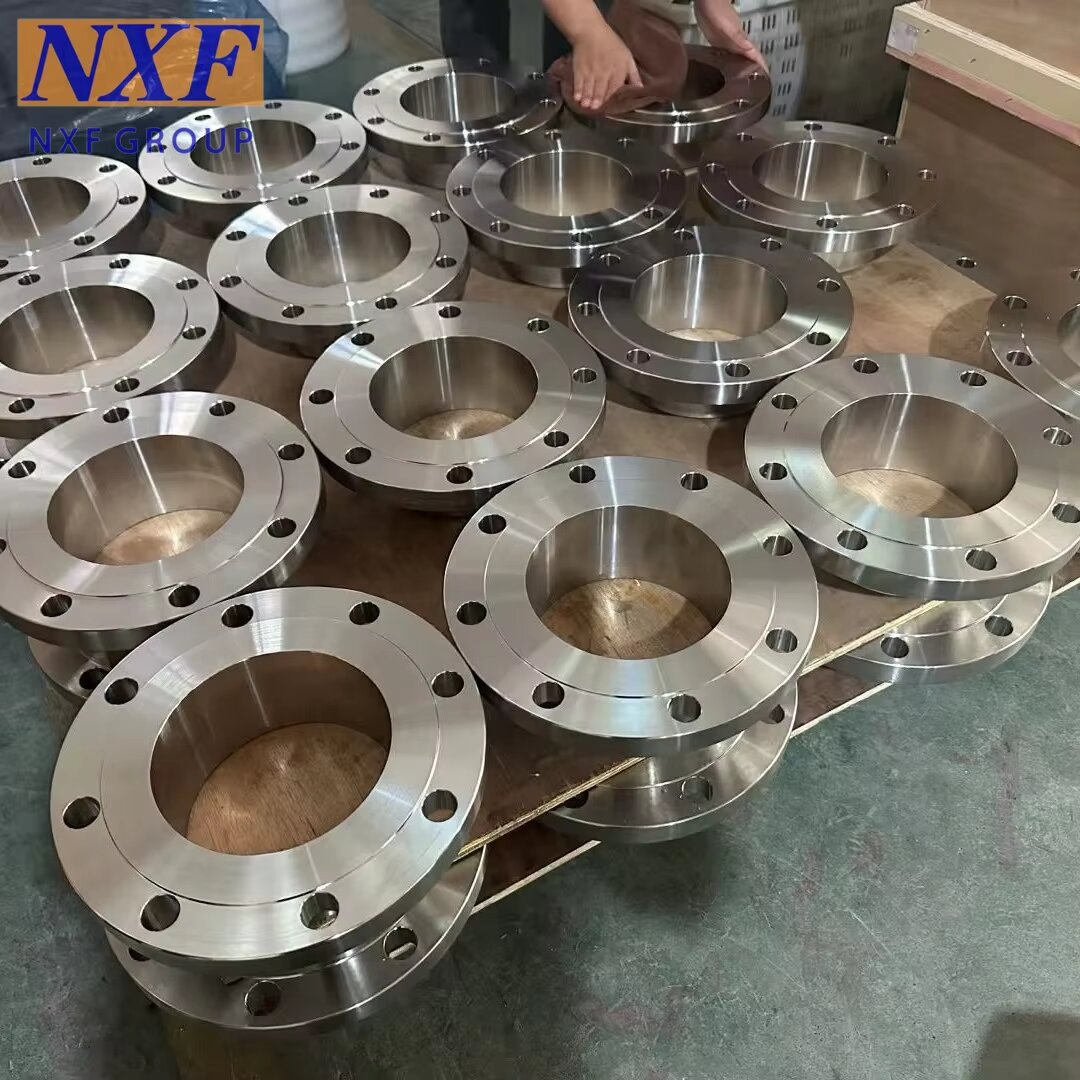
NXF UNS N04400/Monel400/NiCu30Fe/Alloy 400/NCu30 DN15-1200 Class150-1500 Nickel Alloy Forged Plate Flanges
Its significant benefit lies in its durability, as it can establish strong connections between pipes of different sizes while
facing harsher temperature fluctuations. Plate flanges are versatile as they can be produced using a variety of metals, including but not limited to carbon steel, stainless steel, and alloy steel.
Uses of Plate Flange
Plate flanges connect pipes but can also serve as connectors for various system parts or seal off specific sections.
Plate flanges have a wide range of applications in the field of pipe fitting. They are an ideal choice when it comes to connecting metal pipes or joining different sections of a pipeline. Moreover, these flanges can separate two metal pieces that require being kept apart. Their versatility extends beyond metal pipes as they can join plastic pipes or even different parts of an air conditioning or heating unit.




1. who are we?
We are based in Jiangsu, China, start from 2021,sell to South Asia(30.00%),Eastern Asia(10.00%),Mid East(10.00%),Eastern Europe(10.00%),South America(10.00%),Domestic Market(5.00%),North America(5.00%),Northern Europe(5.00%),Central America(5.00%),Africa(5.00%),Southeast Asia(5.00%). There are total about 101-200 people in our office.
2. how can we guarantee quality?
Always a pre-production sample before mass production;
Always final Inspection before shipment;
3.what can you buy from us?
Pipe,Flange,Steel plate,Pipe fittings,Alloy products
4. why should you buy from us not from other suppliers?
Our advantage:3S Service (Small Quantity/Short Time/Special Material) We have our own factories, quality can be controlled seriously.We Specialize in manufacturing about 21 years.We have professional testing department and testing equipment.
5. what services can we provide?
Accepted Delivery Terms: FOB,CFR,CIF,EXW,FCA,DDP,DDU;
Accepted Payment Currency:USD,EUR,CAD,HKD,CNY;
Accepted Payment Type: T/T,L/C,D/P D/A,Credit Card,PayPal;
Language Spoken:English,Chinese,Spanish,Russian