Alloy C22 Introduction:Alloy C22 is composed of various elements in different combinations to achieve the desired properties. They have good resistance and oxidation resistance. Super alloy can be shaped into various forms and used under extremely high temperatures and mechanical stress. It is also suitable for situations requiring high surface stability. Cobalt-based alloys, nickel-based alloys and iron-based alloys are three common superalloys. All these alloys can be used above 540 degrees Celsius. ° C (1000 ° Use at temperatures below F). Alloy C22 is a nickel-chromium-molybdenum alloy. It has excellent corrosion resistance and metallurgical stability and will not sensitize during heating or welding processes.
Alloy C22 Applications:Alloy C22 is used for manufacturing different types of chemical process equipments such as: * Chlorination systems * Flue gas scrubbers * Outlet ducting and stack liners for power plants, pulp and paper bleach plants, sulfur dioxide scrubbers, and weld overlay of *less corrosion resistant metals * Acid production and pickling systems.
Alloy C22 Lap Joint FlangesIntroduction:
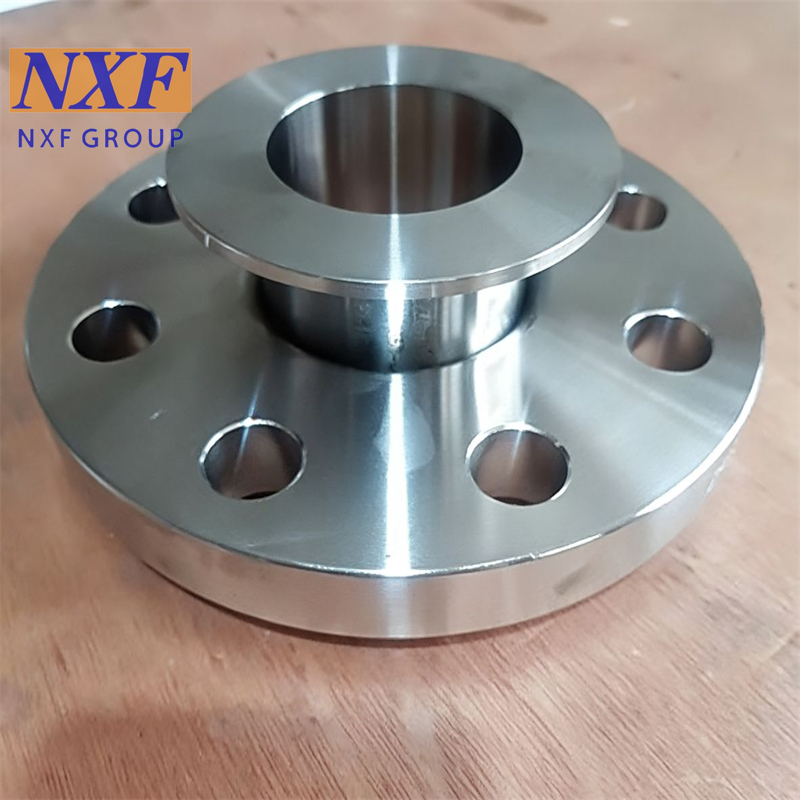
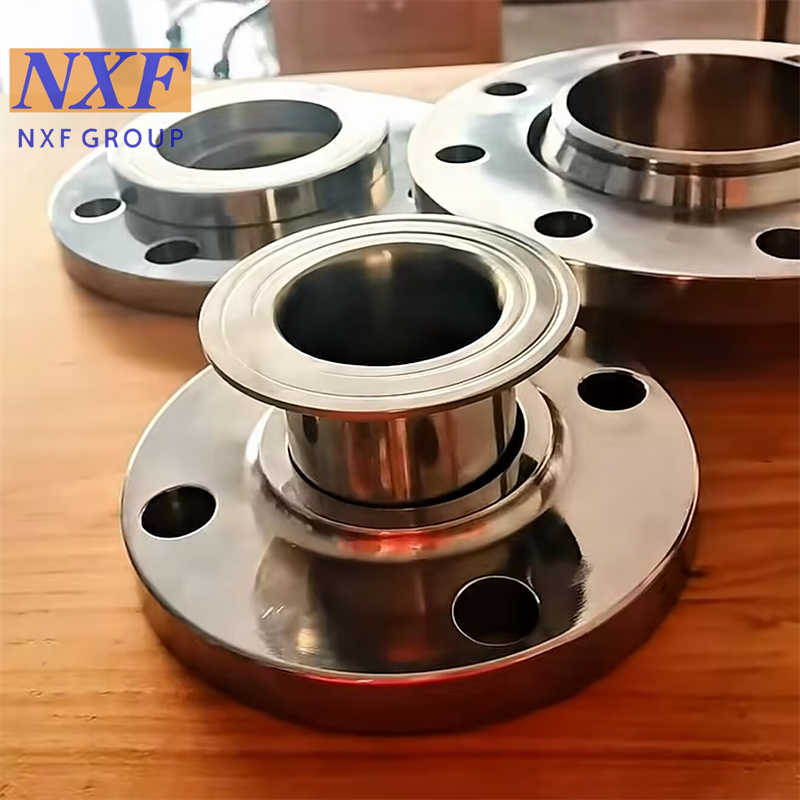
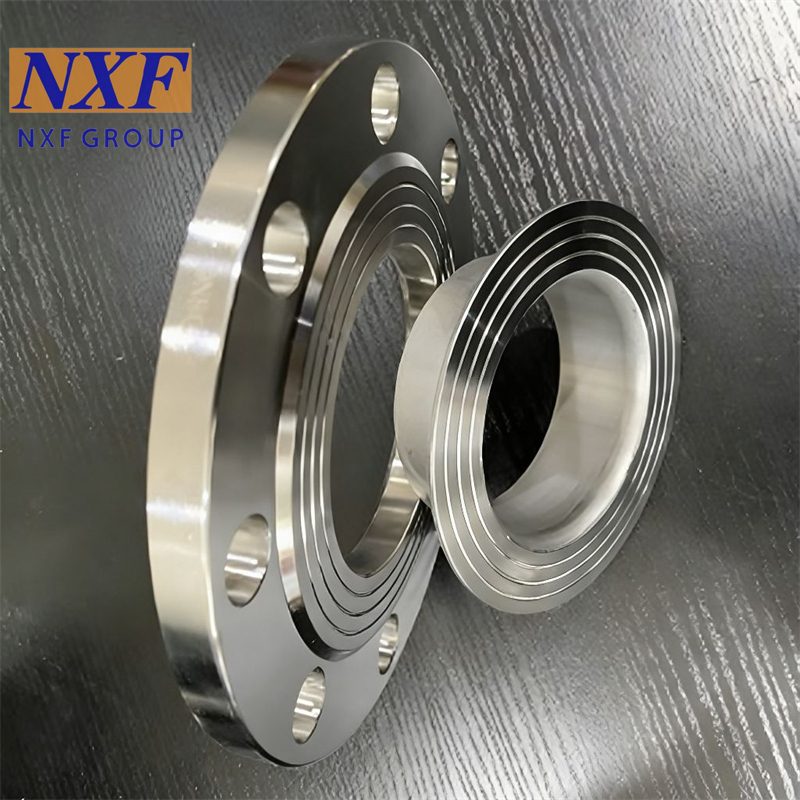
Lap Joint Flanges (LJF, also referred to as Lap Joint Stub End Flanges) are a specialized type of pipe flange widely used in industrial piping systems, designed to work in conjunction with a matching stub end to enable quick assembly, disassembly, and alignment of piping components while providing a reliable sealing connection, making them ideal for applications requiring frequent maintenance, system modifications, or where thermal expansion and contraction demand flexibility. The core structure of a lap joint flange consists of a flat-faced or raised-faced circular flange with a large-diameter bore that slips over the matching stub end, which is permanently welded to the pipe; the flange itself is not welded to the pipe, allowing it to rotate freely around the stub end to align bolt holes with adjacent flanges, simplifying on-site installation even in tight spaces. Lap joint flanges are typically manufactured from carbon steel, stainless steel (including grades like 316, 310, etc.), alloy steel, and other corrosion-resistant or high-strength materials, with production processes involving forging, cutting, machining, heat treatment, surface finishing (such as galvanizing, passivation, or anti-corrosion coating), and rigorous dimensional and quality testing to meet international standards like ASME B16.5, ASME B16.47, EN 1092-1, and DIN standards. Their key functional advantages include ease of alignment during installation, reduced welding work (only the stub end is welded to the pipe, minimizing heat-affected zones and potential distortion), cost-effectiveness compared to welded flanges in systems requiring frequent disassembly, and compatibility with a wide range of piping materials and pressure-temperature ratings, while their sealing performance relies on the compression of a gasket between the flange face and the stub end face, secured by bolts and nuts. Lap joint flanges are commonly applied in chemical processing, petrochemical, oil and gas, water treatment, power generation, and food and beverage industries, particularly in low to medium pressure systems, corrosive fluid handling, and where piping alignment adjustments are needed, though they are not recommended for high-pressure or high-temperature critical applications where the lack of a welded connection could compromise structural integrity.