

Phone/Whatsapp:+8613917160311
Email: info@nxf-group.com
Email: Andrew@nxf-group.com
Email: Alice@nxf-group.com
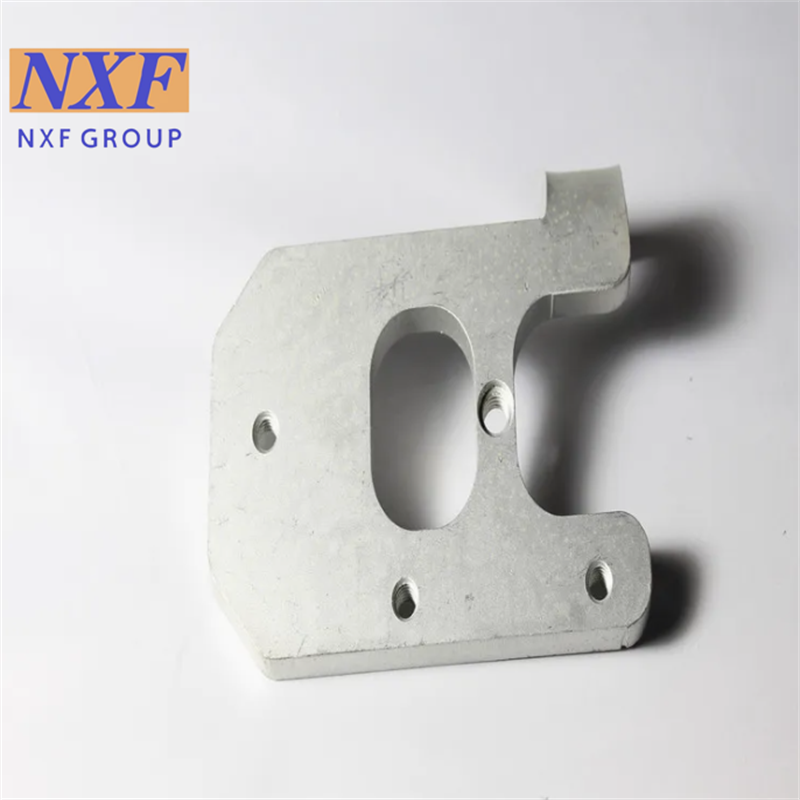
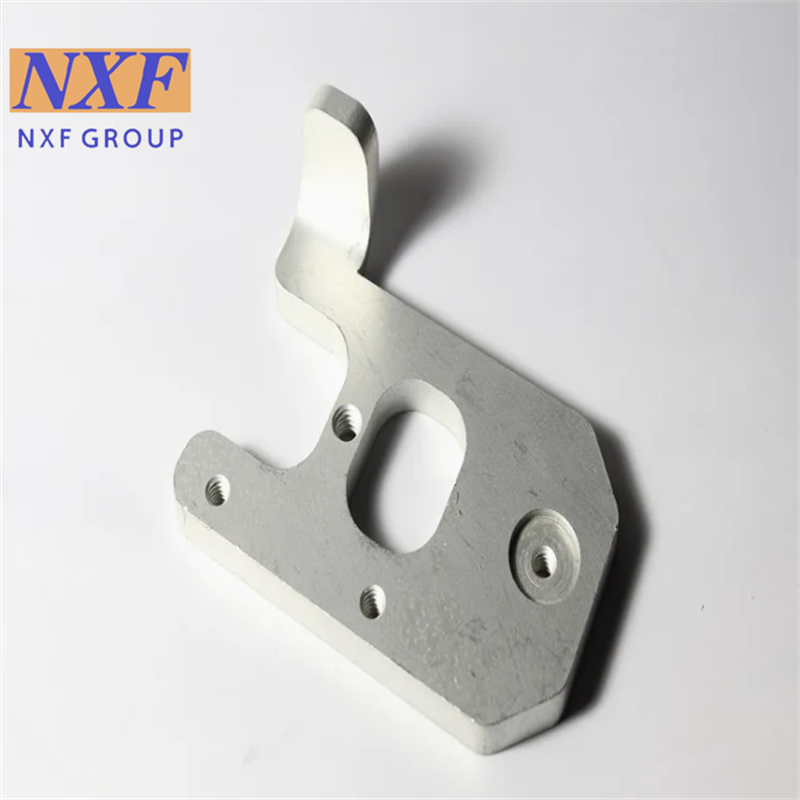
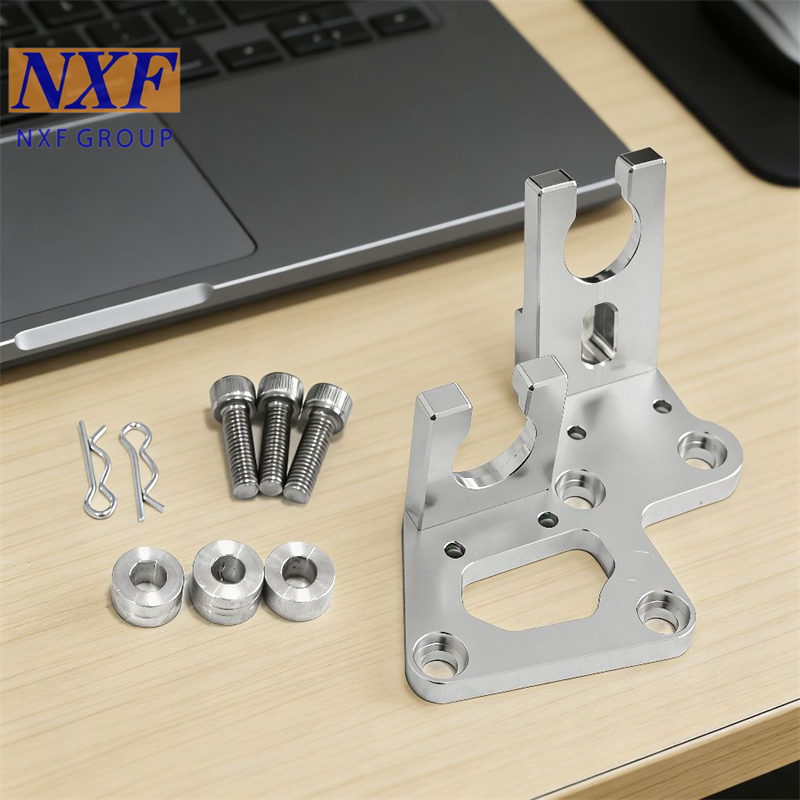
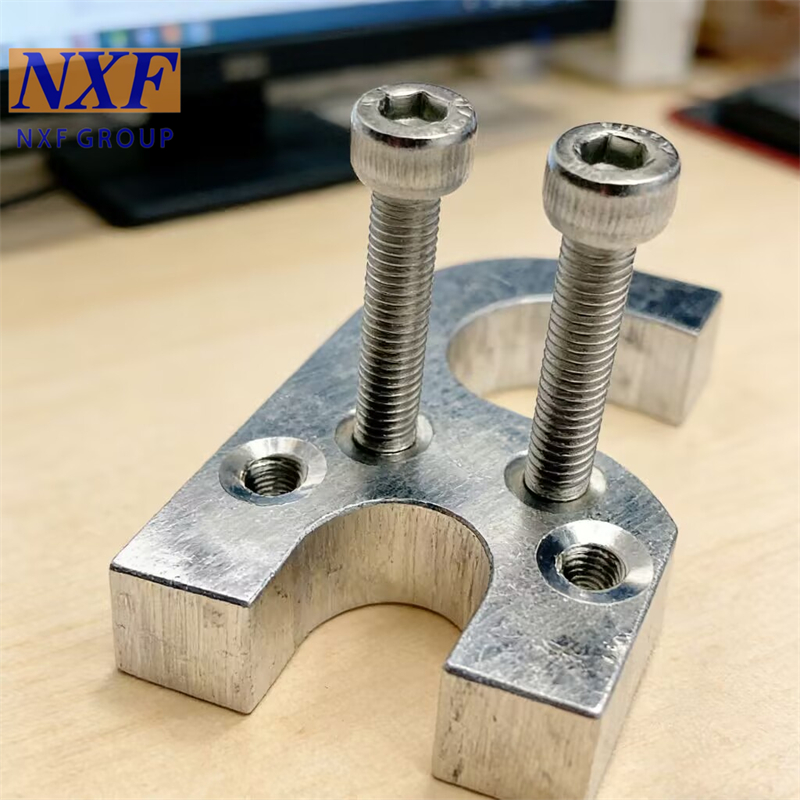
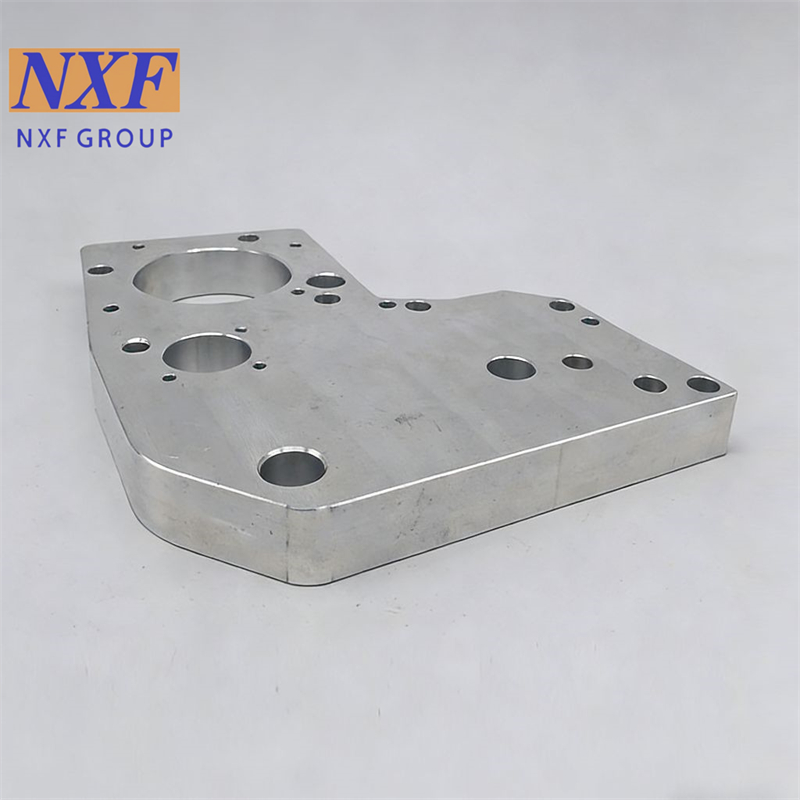
NXF UNS S316/0Cr17Ni12Mo2/1.4401 CNC Custom Precision Sheet Metal Stamping Stainless 316 Steel Part CNC Cable Bracket Set
* 1) Pulp and paper equipment;
* 2) Heat exchanger;
* 3) Dyeing equipment;
* 4) Film processing equipment;
* 5) Pipeline;
* 6) Materials for exterior construction in coastal areas;
* 7) Solenoid valve field (housing, clamp, ball, valve body, valve seat, nut, valve stem, etc.);






1. Raw Material Preparation & Inspection
Material Selection: Procure stainless steel sheets, bars, or profiles (e.g., 304/316 stainless steel for corrosion resistance) according to design specifications. For auxiliary parts, prepare galvanized fasteners, rubber linings, and plastic clips.
Quality Inspection: Check the material’s thickness, surface smoothness, and mechanical properties (tensile strength, corrosion resistance) to ensure compliance with industry standards. Reject materials with defects such as cracks, rust, or uneven thickness.
2. Cutting & Blanking
CNC Cutting: Use CNC plasma cutters, laser cutters, or shearing machines to cut stainless steel sheets/profiles into the required size and shape for main brackets (L-shaped, U-shaped, C-shaped) and accessory components. This step ensures high precision, with dimensional errors controlled within ±0.1mm.
Blanking for Small Parts: For small accessories like clamp pieces and coupling plates, use stamping dies to punch out blanks in batches, improving production efficiency.
3. Forming & Bending
CNC Bending: Place the cut blanks into a CNC press brake, and bend them into the designed bracket structure according to preset parameters. For example, bend a flat steel sheet into an L-shaped bracket with a 90° angle, or a U-shaped bracket with symmetric sides.
Stamping Forming: For parts with complex shapes (e.g., adjustable angle joints), use stamping molds to shape the blanks under high pressure, ensuring consistent structure and performance.
4. Machining & Drilling
Drilling Holes: Use CNC drilling machines to drill mounting holes, connecting holes, and cable clamp holes on the brackets and accessories. The position and size of the holes must match the fixing bolts and fasteners to ensure smooth installation.
Deburring & Edge Treatment: Use grinding machines or manual polishing tools to remove burrs, sharp edges, and welding spatter from the processed parts. This step prevents scratches on cables and injuries to installers during use.
5. Surface Treatment
This step is critical to enhancing the corrosion resistance and service life of the bracket set, especially for metal materials:
Polishing: Polish the surface of stainless steel brackets to a smooth, mirror-like finish, improving aesthetics and reducing dust accumulation.
Galvanizing (Optional): For carbon steel brackets, perform hot-dip galvanizing or electro-galvanizing to form a protective zinc layer on the surface, preventing rust in humid environments.
Powder Coating (Optional): For brackets used in indoor or decorative scenarios, apply electrostatic powder coating (e.g., black, gray) to enhance corrosion resistance and match the surrounding environment.
6. Assembly of Auxiliary Components
Pre-assembly of Kits: Assemble the main brackets with auxiliary parts according to the set configuration, including:
Install rubber linings into cable clamps to reduce friction between clamps and cables.
Match expansion bolts, self-tapping screws, and coupling plates with the main brackets.
Modular Packaging: Group different components (main bracket + fasteners + clamps + extension parts) into a complete set according to customer orders, ensuring no missing parts.
7. Quality Control & Testing
Dimensional Inspection: Use calipers, gauges, and coordinate measuring machines (CMM) to check the size, angle, and hole position of each component, ensuring compliance with design drawings.
Load-Bearing Test: Conduct a load-bearing test on the assembled bracket set—apply a load 1.5 times the rated bearing capacity for 24 hours to verify that there is no deformation, cracking, or loosening.
Corrosion Resistance Test: For stainless steel or galvanized brackets, perform a salt spray test (48–72 hours) to confirm that the surface does not show rust or corrosion.
Packaging Inspection: Check the completeness of each set, and ensure that the packaging is firm to prevent damage during transportation.
8. Packaging & Storage
Packaging: Wrap each bracket set with anti-rust paper or plastic film, and place it in a carton with foam padding to avoid collision and scratch during transportation. Label the carton with product model, specifications, quantity, and batch number.
Storage: Store the packaged products in a dry, ventilated warehouse, away from humid environments and corrosive substances. Classify products by model to facilitate quick delivery.
Notes on Production Process Adjustments
For engineering plastic cable bracket sets, the process is adjusted to injection molding: melt plastic raw materials (e.g., PA66, ABS) and inject them into molds to form brackets and accessories, followed by trimming, drilling, and assembly.
For customized brackets (e.g., cantilever-type, heavy-duty models), the cutting, bending, and load-bearing test steps need to be optimized according to specific design requirements.


1. who are we?
We are based in Jiangsu, China, start from 2021,sell to South Asia(30.00%),Eastern Asia(10.00%),Mid East(10.00%),Eastern Europe(10.00%),South America(10.00%),Domestic Market(5.00%),North America(5.00%),Northern Europe(5.00%),Central America(5.00%),Africa(5.00%),Southeast Asia(5.00%). There are total about 101-200 people in our office.
2. how can we guarantee quality?
Always a pre-production sample before mass production;
Always final Inspection before shipment;
3.what can you buy from us?
Pipe,Flange,Steel plate,Pipe fittings,Alloy products
4. why should you buy from us not from other suppliers?
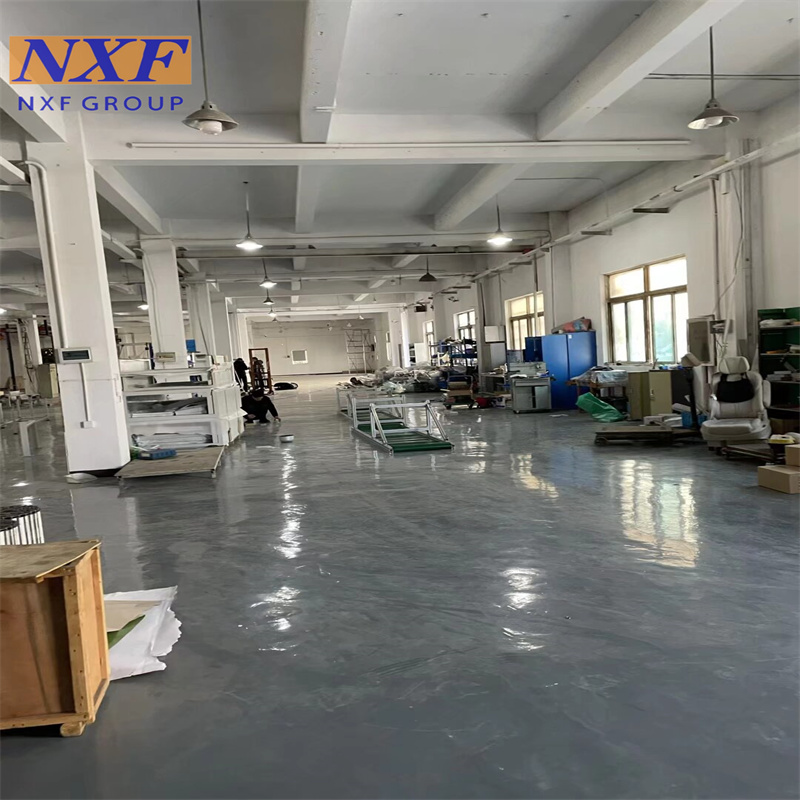
Our advantage:3S Service (Small Quantity/Short Time/Special Material) We have our own factories, quality can be controlled seriously.We Specialize in manufacturing about 21 years.We have professional testing department and testing equipment.
5. what services can we provide?
Accepted Delivery Terms: FOB,CFR,CIF,EXW,FCA,DDP,DDU;
Accepted Payment Currency:USD,EUR,CAD,HKD,CNY;
Accepted Payment Type: T/T,L/C,D/P D/A,Credit Card,PayPal;
Language Spoken:English,Chinese,Spanish,Russian