
NXF GROUP

Phone/Whatsapp:+8613917160311
Email: info@nxf-group.com
Email: Andrew@nxf-group.com
Email: Alice@nxf-group.com
English
NXF UNS S20910 XM-19 OD DN15-1200 Thickness SCH10-XXS Special Stainless Steel Butt Welding Straight/Reducer Tee
2026-04-08 19:54 NXF GROUP
7
Product Description
UNS S20910 XM-19 stainless steel Introduction
UNS S20910 XM-19 stainless steel Introduction
UNS S20910 XM-19 stainless steel is an austenitic stainless steel with a blend of strength and corrosion resistance that is higher than stainless steel grades 316, 316/316L, 317, and 317/317L .
The high strength, corrosion resistance, and low magneticpermeability of this alloy allows it to be used as a material for
medical implants.
Machinability
Stainless steel grade UNS S20910 XM-19 has machinability characteristics that are similar to other austenitic stainless steels;however it requires slower speeds, more power, and higher rigidity due to its high work hardening rate. It is recommended that coated carbide tooling be used.
Forming
Stainless steel grade UNS S20910 XM-19 can be formed using the same methods applied for other austenitic stainless steels. More power for forming and forging is needed for this alloy. Forging can be done at 1177-1204°C (2150-2200°F).
Welding
Welding of stainless steel grade UNS S20910 XM-19 can be performed using traditional joining processes. Recommended filler metal should be UNS S20910 XM-19 (AWS E/ER209).
Caution should be taken while using autogenous, high power density joining processes such as EB or laser welding, due to low FN potential and severe outgassing possibility.
Heat Treatment
Final annealing process performed for several of the applications, is done at 1065°C (1950°F), which is followed by water
quenching. In case this material is used in a strongly corrosive environment, annealing should be done at 1121°C (2050°F). This alloy cannot be hardened by heat treatment.
medical implants.
Machinability
Stainless steel grade UNS S20910 XM-19 has machinability characteristics that are similar to other austenitic stainless steels;however it requires slower speeds, more power, and higher rigidity due to its high work hardening rate. It is recommended that coated carbide tooling be used.
Forming
Stainless steel grade UNS S20910 XM-19 can be formed using the same methods applied for other austenitic stainless steels. More power for forming and forging is needed for this alloy. Forging can be done at 1177-1204°C (2150-2200°F).
Welding
Welding of stainless steel grade UNS S20910 XM-19 can be performed using traditional joining processes. Recommended filler metal should be UNS S20910 XM-19 (AWS E/ER209).
Caution should be taken while using autogenous, high power density joining processes such as EB or laser welding, due to low FN potential and severe outgassing possibility.
Heat Treatment
Final annealing process performed for several of the applications, is done at 1065°C (1950°F), which is followed by water
quenching. In case this material is used in a strongly corrosive environment, annealing should be done at 1121°C (2050°F). This alloy cannot be hardened by heat treatment.
BW STRAIGHT/ REDUCER TEE INTRODUCTION
BW STRAIGHT/ REDUCER TEE INTRODUCTION
Welded tees can be classified into equal-diameter tees and reducing tees based on the ratio of the branch pipe's diameter to the main pipe's diameter. An equal-diameter tee has three identical openings, suitable for connecting three pipes of the same diameter. A reducing tee has branch pipes of different diameters than the main pipe, allowing for connections between pipes of different diameters.
Stainless steel weld neck tees are a common type of pipe fitting, consisting of three ports: two horizontal ports for the main pipe and one vertical port for the branch pipe. They are primarily used to connect pipes, control fluid flow, and enable operations such as opening, closing, branching, and mixing of fluids. Weld neck tees are characterized by their simple structure, low flow resistance, rapid response, and flexible operation.
Welded tees are widely used in industrial pipelines in petroleum, chemical, metallurgical, power, military, and engineering sectors. Their applications also extend to petrochemical, power energy, metallurgy, shipbuilding, and urban infrastructure construction industries, as well as food, pharmaceutical, papermaking, water supply and drainage, and heating sectors.
BUTT-WELDING STRAIGHT TEE DRAWING
BUTT-WELDING STRAIGHT TEE DRAWING

BUTT-WELDING REDUCER TEE DRAWING
BUTT-WELDING REDUCER TEE DRAWING

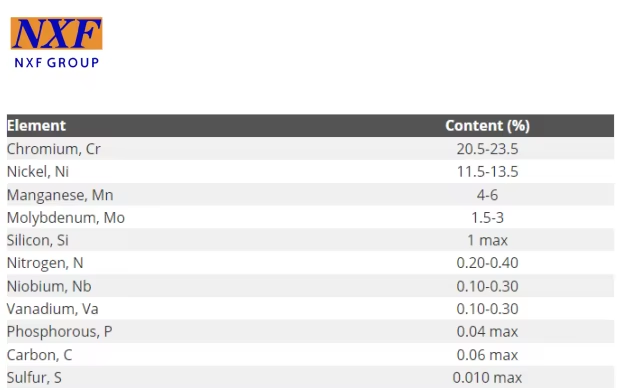
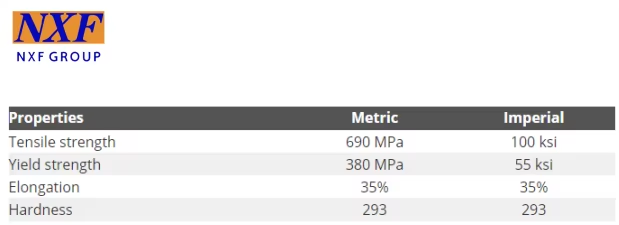
XM-19 Chemical Composition And Mechanical Properties
XM-19 Chemical Composition And Mechanical Properties
Product Image
Product Image


Our Advantages
Our Advantages
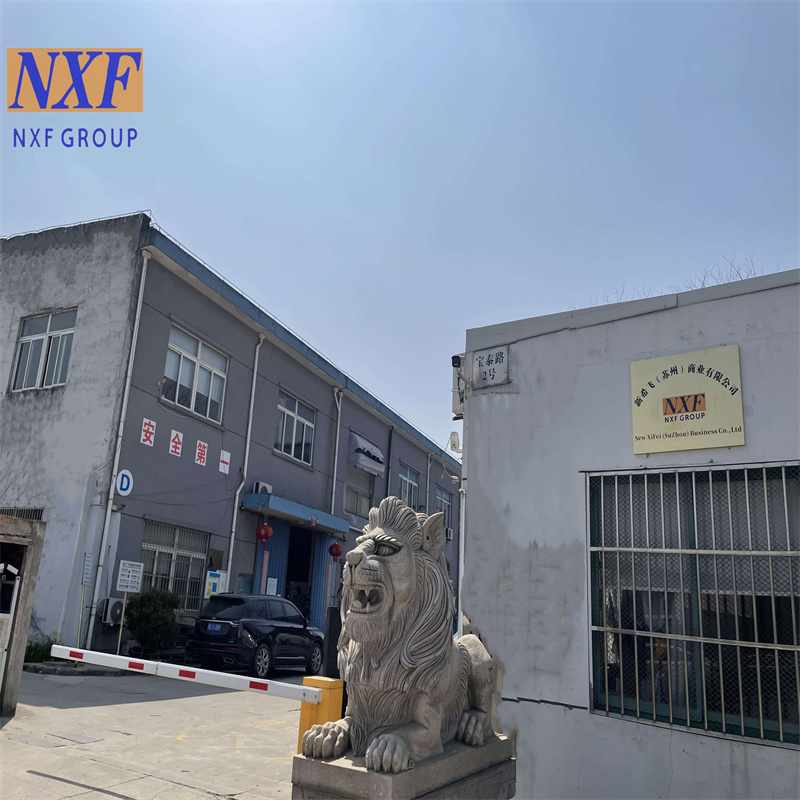
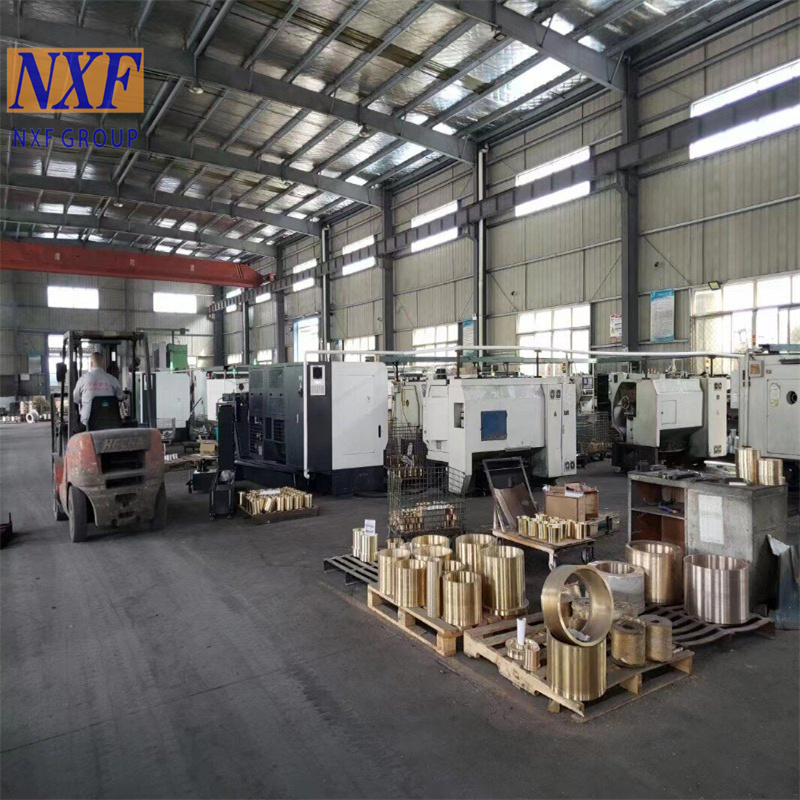
1.We have our own factory, and we can control the cost by producing by ourselves. We have a great advantage in price and can give you the lowest price.
2. We can strictly control the quality. We have production, quality inspection, warehousing and other departments to coordinate and control the quality.
3. Our biggest advantage is 3S service. Small quantity, short time, special materials.
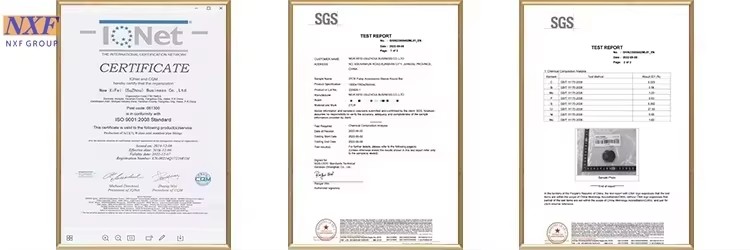
4.We have excellent quality certificate system and trademark certificate
2. We can strictly control the quality. We have production, quality inspection, warehousing and other departments to coordinate and control the quality.
3. Our biggest advantage is 3S service. Small quantity, short time, special materials.
4.We have excellent quality certificate system and trademark certificate
TEE Produce Processing
TEE Produce Processing
1. Raw Material Selection & Cutting
Selection: High-quality seamless steel pipes (e.g., Carbon Steel, Stainless Steel, or Alloy Steel) are selected based on project specifications.
Selection: High-quality seamless steel pipes (e.g., Carbon Steel, Stainless Steel, or Alloy Steel) are selected based on project specifications.
Cutting: The pipe is cut into specific lengths (pipe blanks) using mechanical or saw cutting to ensure clean, square ends.
2. Hydraulic Bulging Process
This is the core cold-forming stage for small to medium-sized tees:
Molding: The pipe blank is placed into a hydraulic mold with a T-shaped cavity.
Internal Pressure: Ultra-high pressure liquid is injected into the blank, forcing the pipe wall to expand outward.
Axial Compensation: Simultaneously, horizontal cylinders apply axial thrust to both ends, "feeding" metal into the center to ensure the branch pipe reaches the required height and wall thickness.
This is the core cold-forming stage for small to medium-sized tees:
Molding: The pipe blank is placed into a hydraulic mold with a T-shaped cavity.
Internal Pressure: Ultra-high pressure liquid is injected into the blank, forcing the pipe wall to expand outward.
Axial Compensation: Simultaneously, horizontal cylinders apply axial thrust to both ends, "feeding" metal into the center to ensure the branch pipe reaches the required height and wall thickness.
3. Branch Trimming & Sizing
Opening: The enclosed top of the formed branch is removed via plasma or mechanical cutting.
Sizing: The tee undergoes a sizing process in a precision die to ensure the dimensions and the 90-degree angle meet
international standards (e.g., ASME B16.9).
Opening: The enclosed top of the formed branch is removed via plasma or mechanical cutting.
Sizing: The tee undergoes a sizing process in a precision die to ensure the dimensions and the 90-degree angle meet
international standards (e.g., ASME B16.9).
4. Heat Treatment
Purpose: To eliminate internal stresses and work hardening caused by the cold forming process.
Methods: Depending on the material, processes such as Normalizing, Tempering, or Solution Annealing (for stainless steel) are performed to restore the mechanical properties and corrosion resistance.
Purpose: To eliminate internal stresses and work hardening caused by the cold forming process.
Methods: Depending on the material, processes such as Normalizing, Tempering, or Solution Annealing (for stainless steel) are performed to restore the mechanical properties and corrosion resistance.
5. Beveling & Machining
Beveling: The three ends of the tee are machined to create welding bevels (typically at a 37.5° angle) to facilitate subsequent butt-welding at the job site.
Surface Finishing: The product is shot-blasted to remove scale and may be coated with anti-corrosion oil or paint.
Beveling: The three ends of the tee are machined to create welding bevels (typically at a 37.5° angle) to facilitate subsequent butt-welding at the job site.
Surface Finishing: The product is shot-blasted to remove scale and may be coated with anti-corrosion oil or paint.
6. Inspection & Testing
NDT (Non-Destructive Testing): Methods like Ultrasonic Testing (UT) or Magnetic Particle Inspection (MT) are used to check for cracks or defects.
Dimensional Check: Verification of outer diameter (OD), wall thickness (WT), and center-to-end dimensions.
Dimensional Check: Verification of outer diameter (OD), wall thickness (WT), and center-to-end dimensions.
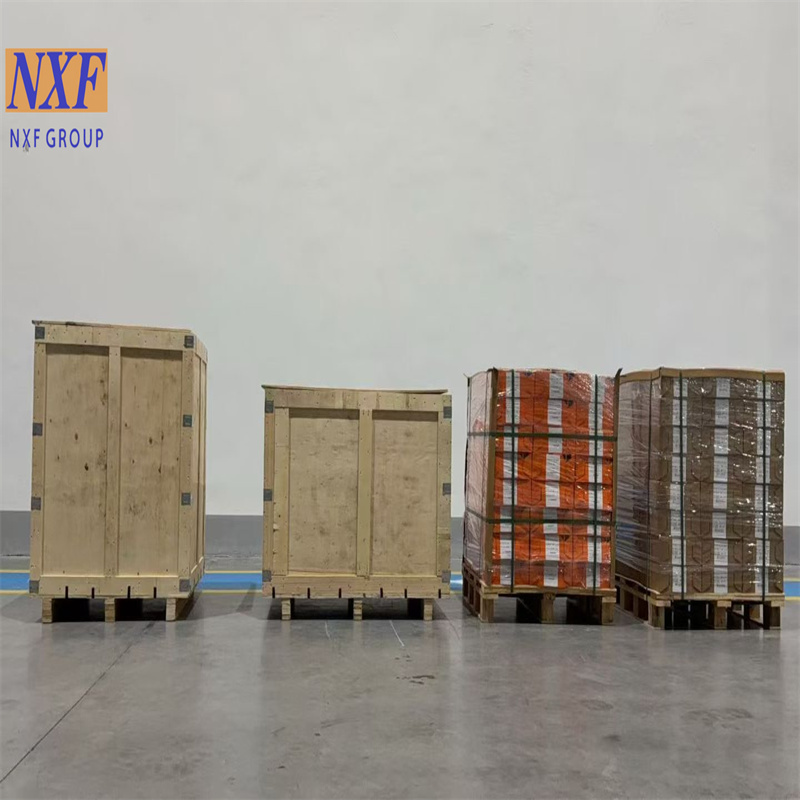
Packing & Delivery



Company Profile
New XiFei (SuZhou) Business Co.,Ltd is one of the leading and most respected manufacturers in China. Our products include metals,machinery, containers, construction materials, mechanical products, electrical systems, and medical accessories.
Established in 1980, XIFEI has been working diligently ever since to embrace the needs of our global customer base.We work to ensure absolute customer satisfaction. Our team has dedicated itself to perfecting our three core components, "Service, Management and Craftsmanship."
Our advantage as follow:
1.We have our own factory, and we can control the cost by producing by ourselves. We have a great advantage in price and can give you the lowest price.
2. We can strictly control the quality. We have production, quality inspection, warehousing and other departments to coordinate and control the quality.
3. Our biggest advantage is 3S service. Small quantity, short time, special materials.

FAQ
1. who are we?
We are based in Jiangsu, China, start from 2021,sell to South Asia(30.00%),Eastern Asia(10.00%),Mid
East(10.00%),Eastern Europe(10.00%),South America(10.00%),Domestic Market(5.00%),North America(5.00%),Northern
Europe(5.00%),Central America(5.00%),Africa(5.00%),Southeast Asia(5.00%). There are total about 101-200 people in our office.
2.how can we guarantee quality?
Always a pre-production sample before mass production;
Always final Inspection before shipment;
3.what can you buy from us?
Pipe,Flange,Steel plate,Pipe fittings,Alloy products
4. why should you buy from us not from other suppliers?
Our advantage:3S Service (Small Quantity/Short Time/Special Material)
We have our own factories, quality can be controlled seriously.
We Specialize in manufacturing about 21 years.
We have professional testing department and testing equipment.
5. what services can we provide?
Accepted Delivery Terms: FOB,CFR,CIF,EXW,FCA,DDP,DDU;
Accepted Payment Currency:USD,EUR,CAD,HKD,CNY;
Accepted Payment Type: T/T,L/C,D/P D/A,Credit Card,PayPal;
LanguageSpoken:English,Chinese,Spanish,Russian
East(10.00%),Eastern Europe(10.00%),South America(10.00%),Domestic Market(5.00%),North America(5.00%),Northern
Europe(5.00%),Central America(5.00%),Africa(5.00%),Southeast Asia(5.00%). There are total about 101-200 people in our office.
2.how can we guarantee quality?
Always a pre-production sample before mass production;
Always final Inspection before shipment;
3.what can you buy from us?
Pipe,Flange,Steel plate,Pipe fittings,Alloy products
4. why should you buy from us not from other suppliers?
Our advantage:3S Service (Small Quantity/Short Time/Special Material)
We have our own factories, quality can be controlled seriously.
We Specialize in manufacturing about 21 years.
We have professional testing department and testing equipment.
5. what services can we provide?
Accepted Delivery Terms: FOB,CFR,CIF,EXW,FCA,DDP,DDU;
Accepted Payment Currency:USD,EUR,CAD,HKD,CNY;
Accepted Payment Type: T/T,L/C,D/P D/A,Credit Card,PayPal;
LanguageSpoken:English,Chinese,Spanish,Russian
声明:此篇为NXF GROUP原创文章,转载请标明出处链接: https://www.nxf-group.com/h-nd-1934.html
Phone
+8613917160311
Whatsapp
Whatsapp
+8613917160311
Wechat
Wechat
Inquiry
Email
info@nxf-group.com
Inquiry
Inquiry