
NXF GROUP

Phone/Whatsapp:+8613917160311
Email: info@nxf-group.com
Email: Andrew@nxf-group.com
Email: Alice@nxf-group.com
English
NXF UNS NO7718/2.4668/NiCr19NbMo/alloy 718 DN6-1200 Class3000-9000 Nickel Alloy Forged Fitting Threaded Cross
2026-09-16 09:25 NXF GROUP
4
Product Description
Alloy 718 Introduction
Alloy 718/2.4668 is a nickel-chromium-iron alloy with niobium and molybdenum and low contained aluminum and tnum. Excellent mechanical properties in lower temperatures. Excellent corrosion resistance at high and low temperatures
Inconel 718 is a nickel-based super alloy that is well suited for applications requiring high strength in temperature ranges from cryogenic up to 1400°F. Inconel 718 also exhibits excellent tensile and impact strength.
Inconel 718 is a nickel-based super alloy that is well suited for applications requiring high strength in temperature ranges from cryogenic up to 1400°F. Inconel 718 also exhibits excellent tensile and impact strength.
Forged Fitting Threaded Cross Introduction
A threaded cross is a mechanical pipe fitting used in industrial and piping systems. Its primary function is to connect four pipes at a 90-degree intersection, allowing fluids or gases to branch out or converge in four directions. It typically features four female-threaded ports designed to connect with male-threaded pipe ends. These fittings are generally manufactured according to strict international industrial standards—most notably ANSI/ASME B16.11, which covers forged socket-weld and threaded fittings.Based on the pipe diameters of the four outlets, threaded crosses are categorized into two main types:Equal Cross:All four connections share the same nominal size; used for four-way junctions where pipe diameters are uniform.Reducing Cross:The diameters of the main line and branch lines differ (typically, one pair of opposing ports is larger than the other); used in systems requiring a change in flow path size.
Common Materials: To withstand varying pressures, temperatures, and media, threaded crosses are typically forged or cast from the following high-strength materials:Carbon Steel: Offers exceptional structural strength and cost-effectiveness; suitable for general industrial fluid transport.Stainless Steel (e.g., 304/316): Features excellent corrosion and high-temperature resistance; widely used in food processing, pharmaceuticals, chemical industries, and high-standard civil piping.Alloy Steel: Designed for extreme high-temperature or high-pressure environments; commonly used in the power generation and petrochemical industries.Key Features and Advantages:
Secure Connection and Good Sealing: Common thread types include NPT (American Standard Taper Pipe Thread) or BSP (British Standard Pipe Thread), providing a robust, leak-proof seal for pipelines transporting liquids, gases, and steam. Easy Installation and Maintenance: Unlike welded fittings, threaded crosses are simply screwed onto pipe ends without welding, facilitating future disassembly, cleaning, or localized system
modifications. Compact Design: Enables four-way flow distribution at a single point, significantly saving space in piping layouts compared to using multiple tees.
Forged Fitting Threaded Cross Drawing

Alloy 718 Chemical composition and mechanical properties

Factory and Product Pictures
Forged Fitting Threaded Cross Factory and Product Pictures


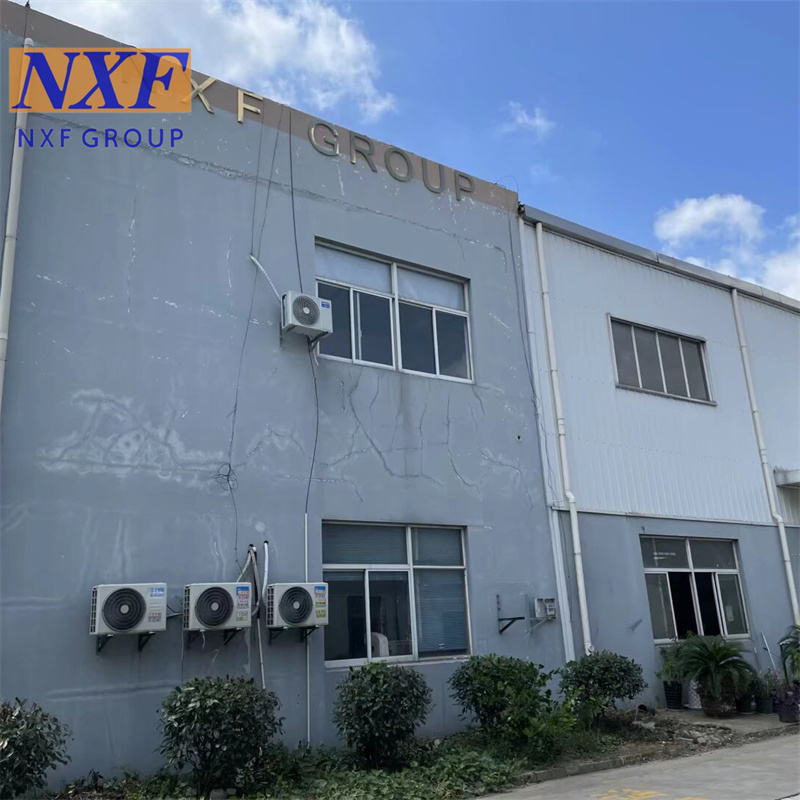
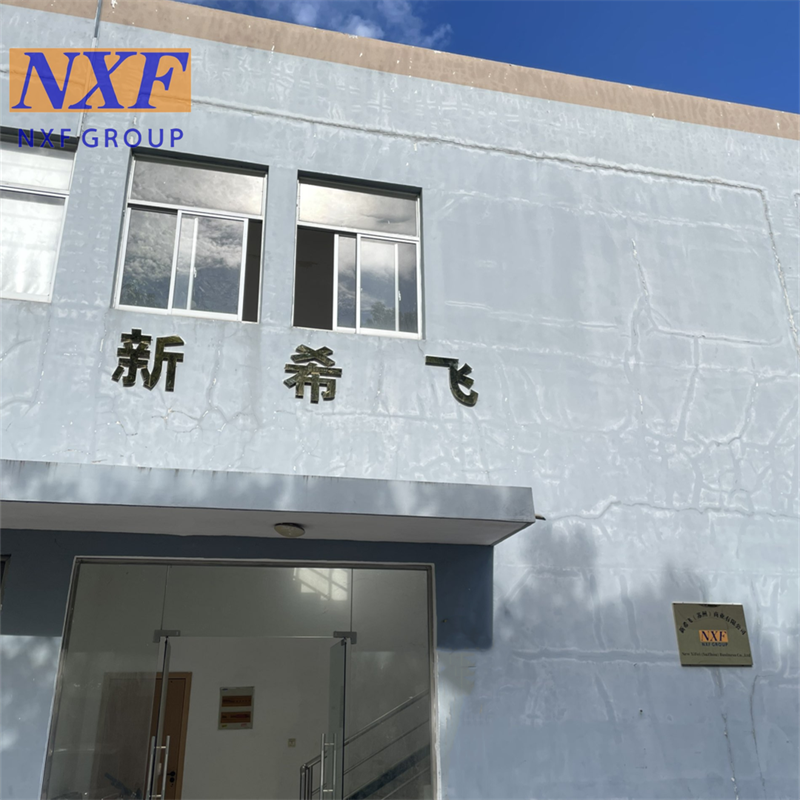
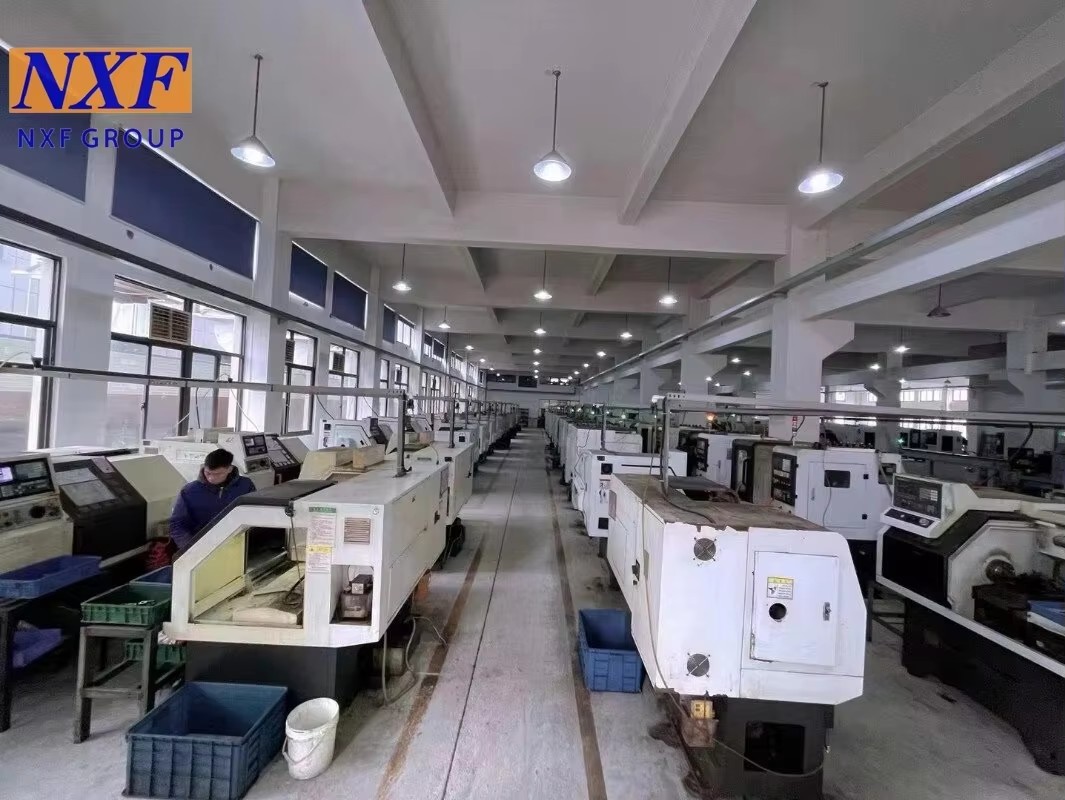
Alloy 718 PMI spectral testing proves

Customer visit to the factory video
718 Forged Fitting Threaded Tee Produce Processing
Manufacturing Processes: Forging and Casting—There are two primary methods for forming the cross-fitting body prior to final threading.1. Forging Process (High Pressure): Forging involves heating a solid steel billet or round bar and using immense mechanical pressure to hammer or press it into the final cross shape.Advantages: Forged crosses feature a continuous internal grain structure, providing superior mechanical strength and excellent pressure resistance.Applications: Suitable for high-pressure systems; typically complies with industrial standards such as ASME B16.11 (available in pressure ratings like 3000 LBS, 6000 LBS, and 9000 LBS).2. Casting Process (Low to Medium Pressure): Casting involves melting raw materials and pouring the molten metal directly into a pre-formed mold.Advantages: Lower production costs and the ability to easily manufacture components with complex shapes or unique dimensions. Applications: Used for low-pressure utility systems (such as standard air, water, or piping lines); typically Class 150 rated fittings.Threading and Machining—After the cross body is formed via forging or casting, it undergoes machining to create the internal threads.CNC Lathe Tapping: The cross fitting is secured in a multi-axis CNC machine. Specialized tapping tools cut internal threads precisely into the four openings—either simultaneously or sequentially—to ensure accurate 90-degree alignment.Thread Types: Internal threading typically complies with regional and project-specific requirements; the most common standards are NPT (National Pipe Taper—used for leak-proof seals) in the US, or the globally recognized BSPT (British Standard Pipe Taper).Surface Treatment: Depending on the material, fittings may undergo heat treatment (to relieve machining stresses), pickling/passivation (to enhance corrosion resistance in stainless steel), or galvanizing (to protect carbon steel).
Our NXF GROUP advantage as follow
1.Our NXF GROUP have our own factory, and we can control the cost by producing by ourselves. We have a great advantage in price and can give you the lowest price based on best quality.2.Our NXF GROUP can strictly control the quality. We have production,quality inspection, warehousing and other departments to coordinate and control the quality,Such as PMI and size testing.
3.Our NXF GROUP biggest advantage is 3S service. Small quantity, short time, special materials.
4.Our NXF GROUP have excellent qualitycertificate system and trademark certificate
5.Our NXF GROUP have a comprehensive after-sales service guarantee, such as the transaction guarantee provided by Alibaba International Station, as well as remote technical guidance and services.
6.Our NXF GROUP have a well-established logistics support system that can save you both time and money, providing you with a one-stop service.
Packing & Delivery
Packing


Delivery

Company Profile

New XiFei (SuZhou) Business Co.,Ltd is one of the leading and most respected manufacturers in China. Our products
includemetals,machinery, containers, construction materials, mechanical products, electrical systems, and medical
accessories.Establishedin1980, XIFEI has been working diligently ever since to embrace the needs of our global customer base.We work to ensure absolutecustomer satisfaction. Our team has dedicated itself to perfecting our three core components,
"Service,Management andCraftsmanship." Our advantage:3S Service(Small Quantity/Short Time/Special Material).
Certification


FAQ
1. who are we?
We are based in Jiangsu, China, start from 2021,sell to South Asia(30.00%),Eastern Asia(10.00%),Mid East(10.00%),Eastern Europe(10.00%),South America(10.00%),Domestic Market(5.00%),North America(5.00%),Northern Europe(5.00%),Central America(5.00%),Africa(5.00%),Southeast Asia(5.00%). There are total about 101-200 people in our office.
2. how can we guarantee quality?
Always a pre-production sample before mass production;
Always final Inspection before shipment;
3.what can you buy from us?
Pipe,Flange,Steel plate,Pipe fittings,Alloy products
4. why should you buy from us not from other suppliers?
Our advantage:3S Service (Small Quantity/Short Time/Special Material) We have our own factories, quality can be controlled seriously.We Specialize in manufacturing about 21 years.We have professional testing department and testing equipment.
5. what services can we provide?
Accepted Delivery Terms: FOB,CFR,CIF,EXW,FCA,DDP,DDU;
Accepted Payment Currency:USD,EUR,CAD,HKD,CNY;
Accepted Payment Type: T/T,L/C,D/P D/A,Credit Card,PayPal;
Language Spoken:English,Chinese,Spanish,Russian
声明:此篇为NXF GROUP原创文章,转载请标明出处链接: https://www.nxf-group.com/h-nd-2332.html
Phone
+8613917160311
Whatsapp
Whatsapp
+8613917160311
Wechat
Wechat
Inquiry
Email
info@nxf-group.com
Inquiry
Inquiry