
NXF GROUP

Phone/Whatsapp:+8613917160311
Email: info@nxf-group.com
Email: Andrew@nxf-group.com
Email: Alice@nxf-group.com
English
NXF UNS NO7718/2.4668/NiCr19NbMo/alloy 718 DN15-1200 Thickness SCH10-XXS Nickel Alloy Butt Welding Outlet
2026-09-19 20:01 NXF GROUP
3
Product Description
Alloy 718 Introduction
Alloy 718/2.4668 is a nickel-chromium-iron alloy with niobium and molybdenum and low contained aluminum and tnum. Excellent mechanical properties in lower temperatures. Excellent corrosion resistance at high and low temperatures Inconel 718 is a nickel-based super alloy that is well suited for applications requiring high strength in temperature ranges from cryogenic up to 1400°F. Inconel 718 also exhibits excellent tensile and impact strength.
Butt Welding Outlet Introduction
1. Definition & Standard:
A butt welding outlet (Weldolet, WOL) is a forged pipe branch fitting manufactured in accordance with MSS SP-97 and GB/T 19326 standards. It is specially designed for branch connection on main pressure pipelines to replace traditional reinforced pad welding.
2. Structural Feature:
2. Structural Feature:
The fitting adopts an integral forging structure with a curved base that perfectly fits the outer arc of the main pipe. The upper end is processed with a standard butt-weld bevel for seamless welding with branch pipes, ensuring high structural integrity.
3. Pressure and Safety Performance:
3. Pressure and Safety Performance:
As a high-pressure-grade branch fitting, the Weldolet effectively eliminates stress
concentration caused by direct pipe drilling. It provides reliable pressure-bearing capacity and improves the overall safety and stability of the piping system.
4. Material Diversity:
concentration caused by direct pipe drilling. It provides reliable pressure-bearing capacity and improves the overall safety and stability of the piping system.
4. Material Diversity:
Common materials include A105 carbon steel, 304/316L stainless steel, and alloy steel such as 15CrMo and P91. It adapts to high temperature, high pressure, and corrosive working conditions in heavy industrial systems.
5. Application Scope:
5. Application Scope:
Butt welding outlets are widely used in petrochemical plants, power stations, oil and gas transmission pipelines, pressure vessel projects, and refining industries for process branch connection and instrument tapping.
6. Installation Advantage:
6. Installation Advantage:
Compared with traditional reinforcement plates, the integrated forging design reduces welding seams, lowers leakage risks, simplifies on-site construction, and improves the overall durability and inspection efficiency of industrial piping.
Butt Welding Outlet Drawing

Alloy 718 Chemical composition and mechanical properties

Factory and Product Pictures
Butt Welding Outlet Factory and Product Pictures


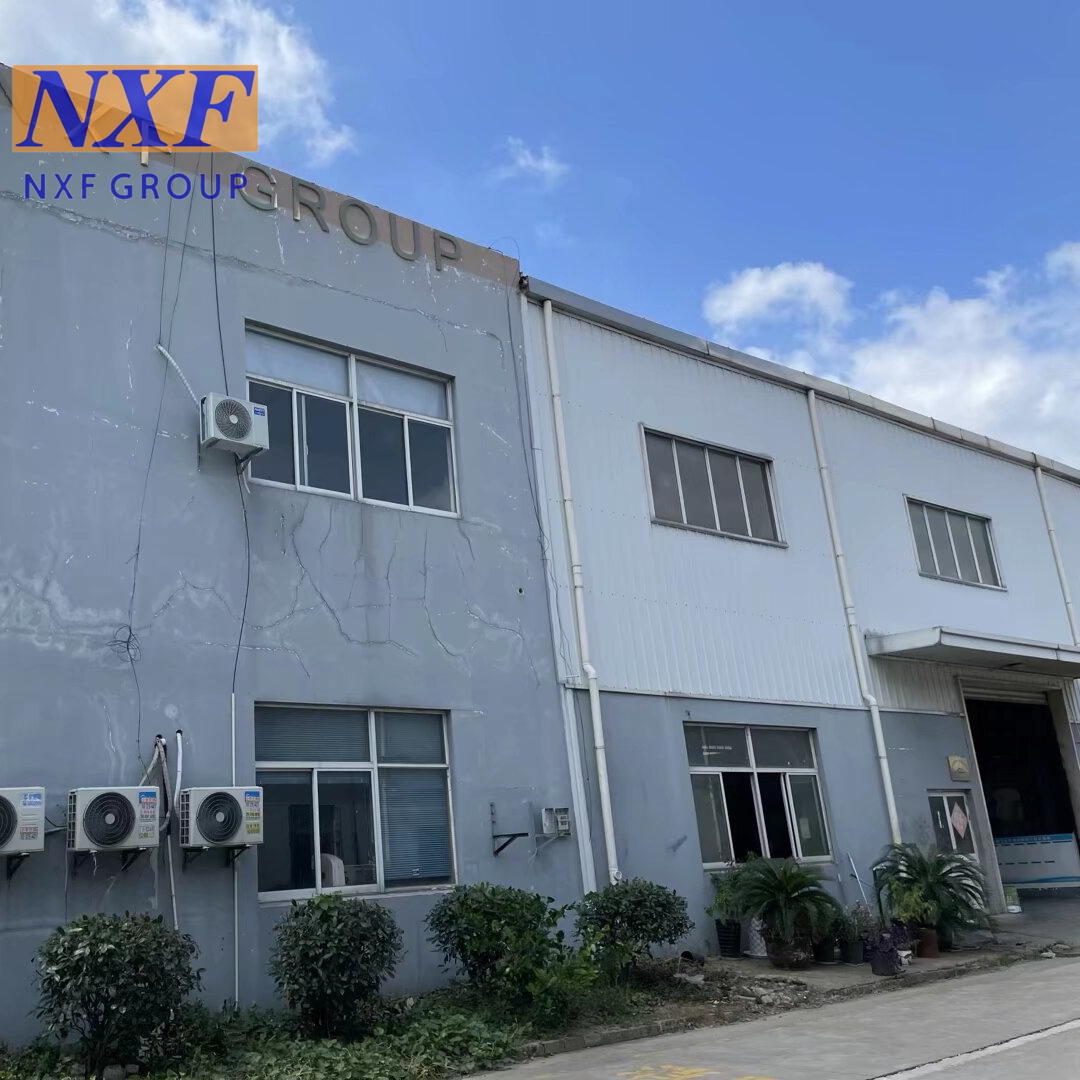
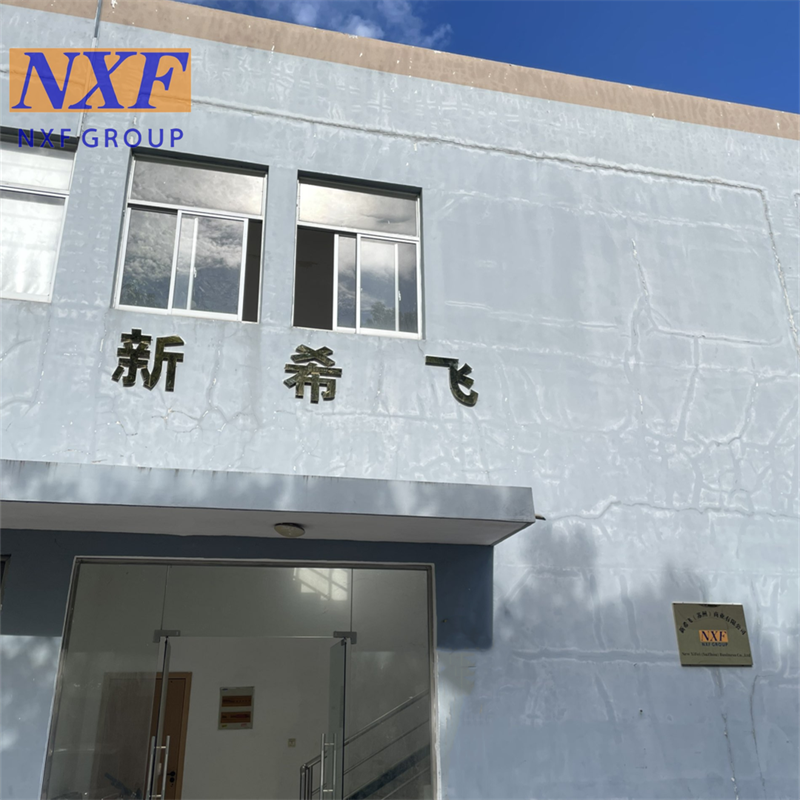
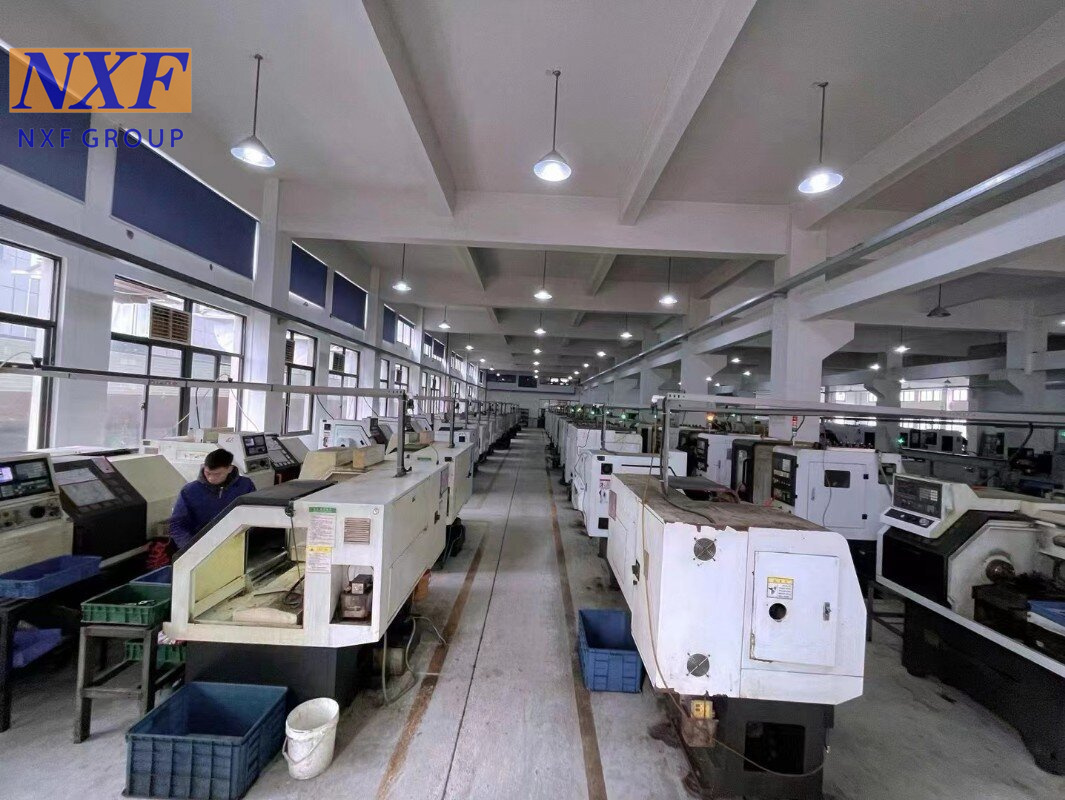
Alloy 718 PMI spectral testing proves

Customer visit to the factory video
718 Butt Welding Outlet Produce Processing
1. Raw Material Inspection:
All raw steel bars and steel billets for 718 butt welding outlets are strictly inspected before production. The factory verifies material certificates, chemical composition, and mechanical properties to ensure compliance with A105, 304, 316L and alloy steel standards, eliminating unqualified raw materials from the production chain.
2. Precision Cutting & Blanking:
Qualified raw materials are cut into fixed-size blanks by professional cutting equipment. Strict dimensional tolerance control is implemented during blanking to guarantee consistent raw material specifications for each Weldolet, laying a foundation for standardized forging molding.
3. Integral Hot Forging:
The blank materials are heated to a professional forging temperature and processed by hydraulic forging equipment to form an integral forging structure. This process realizes the one-piece molding of the curved base and branch pipe body, ensuring compact internal metal structure and high overall strength.
4. Heat Treatment:
After forging, all finished semi-products undergo standardized heat treatment including normalizing and tempering. This step eliminates forging internal stress, optimizes metal toughness and hardness, and enables the fittings to adapt
to high-temperature and high-pressure industrial working conditions.
to high-temperature and high-pressure industrial working conditions.
5. Fine Machining:
Precision CNC lathes are used for finish machining on the arc surface, inner hole and butt-weld bevel of the 718 butt welding outlet. All sizes strictly follow MSS SP-97 and GB/T 19326 standards to ensure perfect fitting with main pipes and seamless butt welding with branch pipes.
6. Non-Destructive Testing (NDT):
Every finished Weldolet undergoes strict non-destructive testing including ultrasonic testing and magnetic particle inspection. The inspection effectively detects internal cracks, porosity and forging defects, ensuring 100% safety and pressure-bearing performance of industrial piping fittings.
7. Surface Treatment & Packaging:
Qualified products are polished, derusted and surface treated to prevent oxidation and corrosion. Finally, professional waterproof and shockproof packaging is adopted, with clear marking of specifications, materials and pressure grades, suitable for long-distance transportation and on-site engineering use.
Our NXF GROUP advantage as follow
1.Our NXF GROUP have our own factory, and we can control the cost by producing by ourselves. We have a great advantage in price and can give you the lowest price based on best quality.
2.Our NXF GROUP can strictly control the quality. We have
production,quality inspection, warehousing and other departments to coordinate and control the quality,Such as PMI and size testing.
3.Our NXF GROUP biggest advantage is 3S service. Small quantity, short time, special materials.
4.Our NXF GROUP have excellent qualitycertificate system and trademark certificate
5.Our NXF GROUP have a comprehensive after-sales service guarantee, such as the transaction guarantee provided by Alibaba International Station, as well as remote technical guidance and services.
6.Our NXF GROUP have a well-established logistics support system that can save you both time and money, providing you with a one-stop service.
Packing & Delivery
Packing


Delivery

Company Profile

New XiFei (SuZhou) Business Co.,Ltd is one of the leading and most respected manufacturers in China. Our products
includemetals,machinery, containers, construction materials, mechanical products, electrical systems, and medical
accessories.Establishedin1980, XIFEI has been working diligently ever since to embrace the needs of our global customer base.We work to ensure absolutecustomer satisfaction. Our team has dedicated itself to perfecting our three core components, "Service, Management andCraftsmanship." Our advantage:3S Service(Small Quantity/Short Time/Special Material).
Specification


FAQ
1. who are we?
We are based in Jiangsu, China, start from 2021,sell to South Asia(30.00%),Eastern Asia(10.00%),Mid East(10.00%),Eastern Europe(10.00%),South America(10.00%),Domestic Market(5.00%),North America(5.00%),Northern Europe(5.00%),Central America(5.00%),Africa(5.00%),Southeast Asia(5.00%). There are total about 101-200 people in our office.
2. how can we guarantee quality?
Always a pre-production sample before mass production;
Always final Inspection before shipment;
3.what can you buy from us?
Pipe,Flange,Steel plate,Pipe fittings,Alloy products
4. why should you buy from us not from other suppliers?
1.Our NXF GROUP have our own factory, and we can control the cost by producing by ourselves. We have a great advantage in price and can give you the lowest price based on best quality.2.Our NXF GROUP can strictly control the quality. We have production,quality inspection, warehousing and other departments to coordinate and control the quality,Such as PMI and size testing.
3.Our NXF GROUP biggest advantage is 3S service. Small quantity, short time, special materials.
4.Our NXF GROUP have excellent qualitycertificate system and trademark certificate
5.Our NXF GROUP have a comprehensive after-sales service guarantee, such as the transaction guarantee provided by Alibaba International Station, as well as remote technical guidance and services.
6.Our NXF GROUP have a well-established logistics support system that can save you both time and money, providing you with a one-stop service
5. what services can we provide?
Accepted Delivery Terms: FOB,CFR,CIF,EXW,FCA,DDP,DDU;
Accepted Payment Currency:USD,EUR,CAD,HKD,CNY;
Accepted Payment Type: T/T,L/C,D/P D/A,Credit Card,PayPal;
Language Spoken:English,Chinese,Spanish,Russian
声明:此篇为NXF GROUP原创文章,转载请标明出处链接: https://www.nxf-group.com/h-nd-2352.html
Phone
+8613917160311
Whatsapp
Whatsapp
+8613917160311
Wechat
Wechat
Inquiry
Email
info@nxf-group.com
Inquiry
Inquiry