

Phone/Whatsapp:+8613917160311
Email: info@nxf-group.com
Email: Andrew@nxf-group.com
Email: Alice@nxf-group.com
NXF UNS NO7718/2.4668/NiCr19NbMo/alloy 718 DN15-1500 Class150-2500 Nickel Alloy Forged Fitting Spade Flanges
Alloy 718 Introduction.
Spade Flange Introduction
1. Basic Definition and Structure:A spade flange, also known as a pipeline spade or isolation spade, is a flat, disc-shaped metal isolation component used in industrial piping systems. It is a single solid plate with bolt holes around the edge, featuring a simple and ultra-flat structure. Different from spectacle blinds, it is a separate single-piece part, mainly designed for permanent or long-term pipeline blocking.
2. Working Principle:The spade flange is installed and clamped between two standard pipe flanges with matching gaskets. As a solid metal plate, it completely cuts off the fluid passage inside the pipeline. It provides full mechanical isolation to block gas, liquid or oil medium flow, achieving thorough pipeline shutdown and isolation.
3. Core Features and Advantages:Spade flanges have outstanding advantages of simple structure, high rigidity and reliable isolation performance. They achieve zero fluid leakage after installation and can withstand medium and high pressure working conditions. Compared with spectacle blinds, they have stronger pressure resistance, lower failure rate and are more suitable for long-term fixed isolation.
4. Main Application Scenarios:They are widely used in petroleum, chemical industry, power plants, natural gas and refining piping systems. They are mainly applied for equipment isolation, pipeline commissioning isolation, long-term shutdown pipelines and system partition isolation to ensure safe maintenance and separate independent piping sections.
5. Usage Characteristics and Limitations:Spade flanges are suitable for medium and high pressure, normal and high-temperature working conditions. The main limitation is that they are only used for pipeline blocking and cannot achieve pipeline opening state. Repeated disassembly and assembly are required if the pipeline needs to be reopened, so they are not applicable for frequent switch operations.


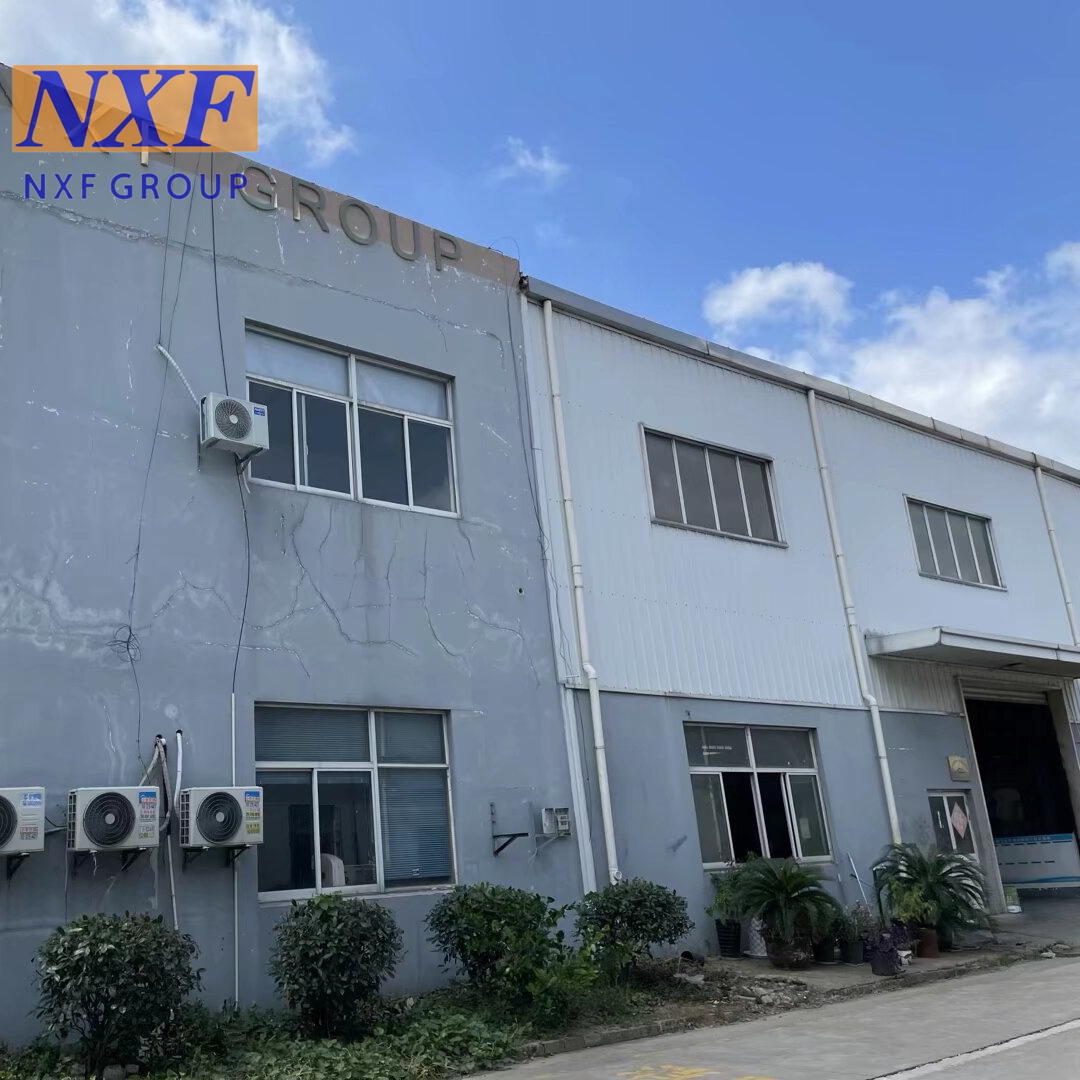
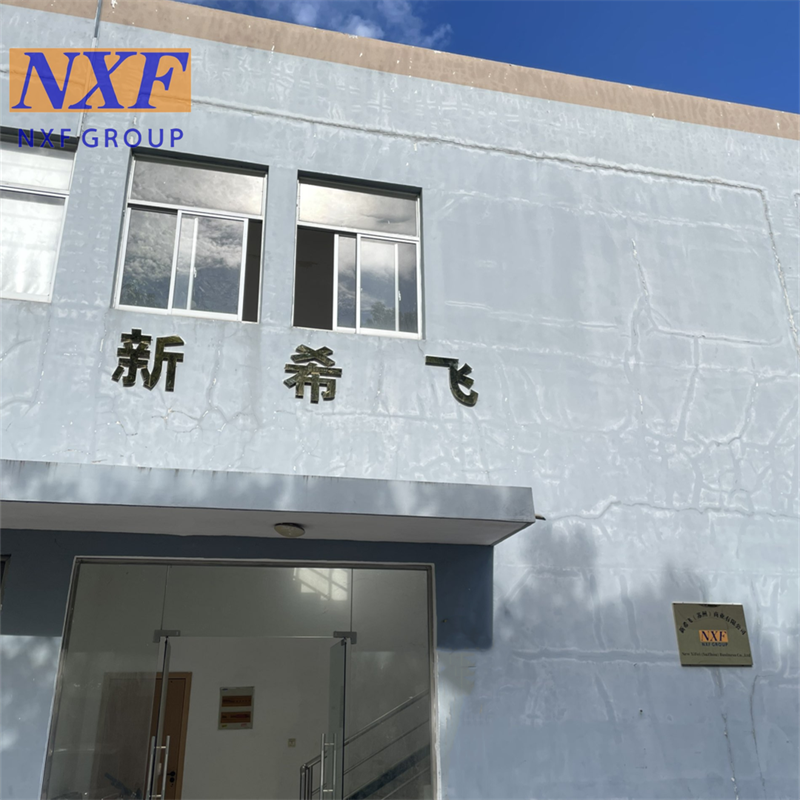
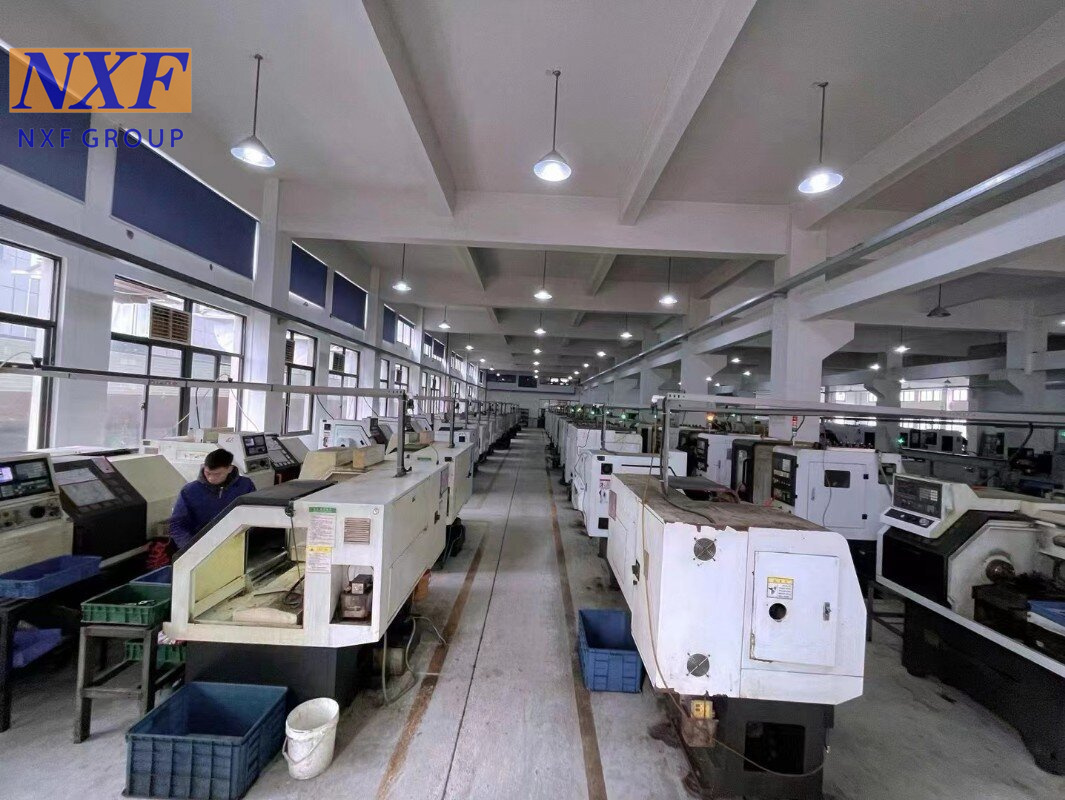

Customer visit to the factory video
Alloy 718 Spade Flange Produce Processing
1. Raw Material Inspection and Cutting:Qualified carbon steel or stainless steel plates are selected according to industrial flange standards. All raw materials are inspected for chemical composition, mechanical properties and surface quality. After passing inspection, the steel plates are precisely cut into round blank sheets with reasonable machining allowance for subsequent processing.
2. Rough Shaping and Outline Cutting:The cut blanks are processed by professional cutting equipment to form the basic spade flange outline. The outer circle and overall flat shape are finalized, and reserved margins are ensured for finish machining. This step forms the core solid disc structure of the pipeline isolation spade.
3. Stress Relief Heat Treatment:
Rough-shaped workpieces undergo annealing heat treatment. This process eliminates internal cutting stress, stabilizes metal grain structure, and improves the flatness and rigidity of the plate. It effectively prevents deformation and warping during long-term high-pressure service.
4. Precision CNC Machining:
High-precision CNC machines are used for finish machining. The flange outer diameter, sealing surface, thickness and bolt hole positions are accurately processed. Strict tolerance control ensures flatness, parallelism and assembly accuracy to match standard pipeline flanges.
5. Deburring and Surface Treatment:All sharp edges, burrs and metal residues on the disc surface and bolt holes are completely removed. The sealing surface is finely polished. Anti-rust oiling or galvanizing treatment is applied to improve surface durability and corrosion resistance.
6. Final Inspection and Packaging:Finished spade flanges are fully inspected for dimensional accuracy, surface flatness, hardness and appearance defects. Qualified products are marked with material grade, specifications and batch number, then professionally packaged for storage and transportation.
Our NXF GROUP advantage as follow
3.Our NXF GROUP biggest advantage is 3S service. Small quantity, short time, special materials.
4.Our NXF GROUP have excellent qualitycertificate system and trademark certificate
5.Our NXF GROUP have a comprehensive after-sales service guarantee, such as the transaction guarantee provided by Alibaba International Station, as well as remote technical guidance and services.
6.Our NXF GROUP have a well-established logistics support system that can save you both time and money, providing you with a one-stop service.


includemetals,machinery, containers, construction materials, mechanical products, electrical systems, and medical
accessories.Establishedin1980, XIFEI has been working diligently ever since to embrace the needs of our global customer base.We work to ensure absolutecustomer satisfaction. Our team has dedicated itself to perfecting our three core components, "Service, Management andCraftsmanship." Our advantage:3S Service(Small Quantity/Short Time/Special Material).


We are based in Jiangsu, China, start from 2021,sell to South Asia(30.00%),South America(10.00%),Eastern Europe(10.00%),Mid East(10.00%),Eastern Asia(10.00%),Southeast Asia(5.00%),Africa(5.00%),Central America(5.00%),Northern Europe(5.00%),North America(5.00%),Domestic Market(5.00%). There are total about 101-200 people in our office.
2. how can we guarantee quality?
Always a pre-production sample before mass production;
Always final Inspection before shipment;
3.what can you buy from us?
Pipe,Flange,Steel plate,Pipe fittings,Alloy products
4. why should you buy from us not from other suppliers?
2.Our NXF GROUP can strictly control the quality. We have production,quality inspection, warehousing and other departments to coordinate and control the quality,Such as PMI and size testing.
3.Our NXF GROUP biggest advantage is 3S service. Small quantity, short time, special materials.
4.Our NXF GROUP have excellent qualitycertificate system and trademark certificate
5.Our NXF GROUP have a comprehensive after-sales service guarantee, such as the transaction guarantee provided by AlibabaInternational Station, as well as remote technical guidance and services.
6.Our NXF GROUP have a well-established logistics support system that can save you both time and money, providing you with aone-stop service.
5. what services can we provide?
Accepted Delivery Terms: FOB,CFR,CIF,EXW,FCA,DDP,DDU;
Accepted Payment Currency:USD,EUR,CAD,HKD,CNY;
Accepted Payment Type: T/T,L/C,D/P D/A,Credit Card,PayPal;
Language Spoken:English,Chinese,Spanish,Russian