

Phone/Whatsapp:+8613917160311
Email: info@nxf-group.com
Email: Andrew@nxf-group.com
Email: Alice@nxf-group.com
NXF UNS NO7718/2.4668/NiCr19NbMo/alloy 718 DN15-1200 Thickness SCH10-XXS Nickel Alloy 718 Round Pipe Tube
Alloy 718 Introduction.
Inconel 718 is a nickel-based super alloy that is well suited for applications requiring high strength in temperature ranges from cryogenic up to 1400°F. Inconel 718 also exhibits excellent tensile and impact strength.
Round Pipe Introduction
1. Basic Definition
A round pipe is a hollow cylindrical metal tubular material with a standard circular cross-section, widely recognized as one of the most fundamental industrial base components. Different from solid round bars, it features a hollow inner cavity with uniform outer diameter and wall thickness. Round pipes are mainly manufactured through seamless rolling or welded forming processes. With lightweight structure and hollow through design, it is specially used for medium transmission and structural support in various industrial fields.
2. Main Material Classification
According to different raw materials, round pipes are divided into three mainstream types to adapt to diverse working conditions. Carbon steel round pipes feature low cost, good toughness and weldability, suitable for conventional structural support and ordinary fluid transportation. Alloy steel round pipes have high temperature resistance, high pressure resistance and wear resistance, applied in heavy industry and high-load equipment. Stainless steel round pipes possess excellent rust and corrosion resistance, commonly used in chemical, marine, food and outdoor engineering scenarios.
3. Core Application Fields
Round pipes have extremely wide applicability in modern industry and construction. They are the core materials for fluid transmission systems, including water supply, drainage, oil, gas and chemical medium conveying pipelines. In steel structure engineering, they are used for building supports, frame structures and guardrail components. They are also extensively applied in mechanical equipment, automobile pipelines, hydraulic systems and engineering machinery, undertaking the functions of medium delivery, structural connection and load-bearing support.
4. Structural and Performance Advantages
Round pipes have unique structural advantages compared with solid profiles and other shaped pipes. The hollow structure greatly reduces self-weight and material cost while maintaining high structural strength. The circular cross-section features uniform force bearing, small fluid resistance and no dead angle of stress concentration, which is conducive to smooth medium circulation. In addition, round pipes have good plasticity, weldability and machinability, supporting cutting, butt welding, threading and bending processing, with strong flexibility for secondary forming and assembly.
5. Product Types and Quality Standards
Round pipes are mainly divided into seamless round pipes and welded round pipes according to forming technology. Seamless pipes have integral metal structure, higher pressure resistance and compactness for high-standard industrial pipelines. Welded pipes feature high production efficiency and cost performance for conventional civil and general industrial projects. All finished round pipes are strictly controlled in terms of wall thickness tolerance, roundness, straightness and surface quality, with no cracks, pores or rust defects, meeting national and international industrial standards for installation and service stability.


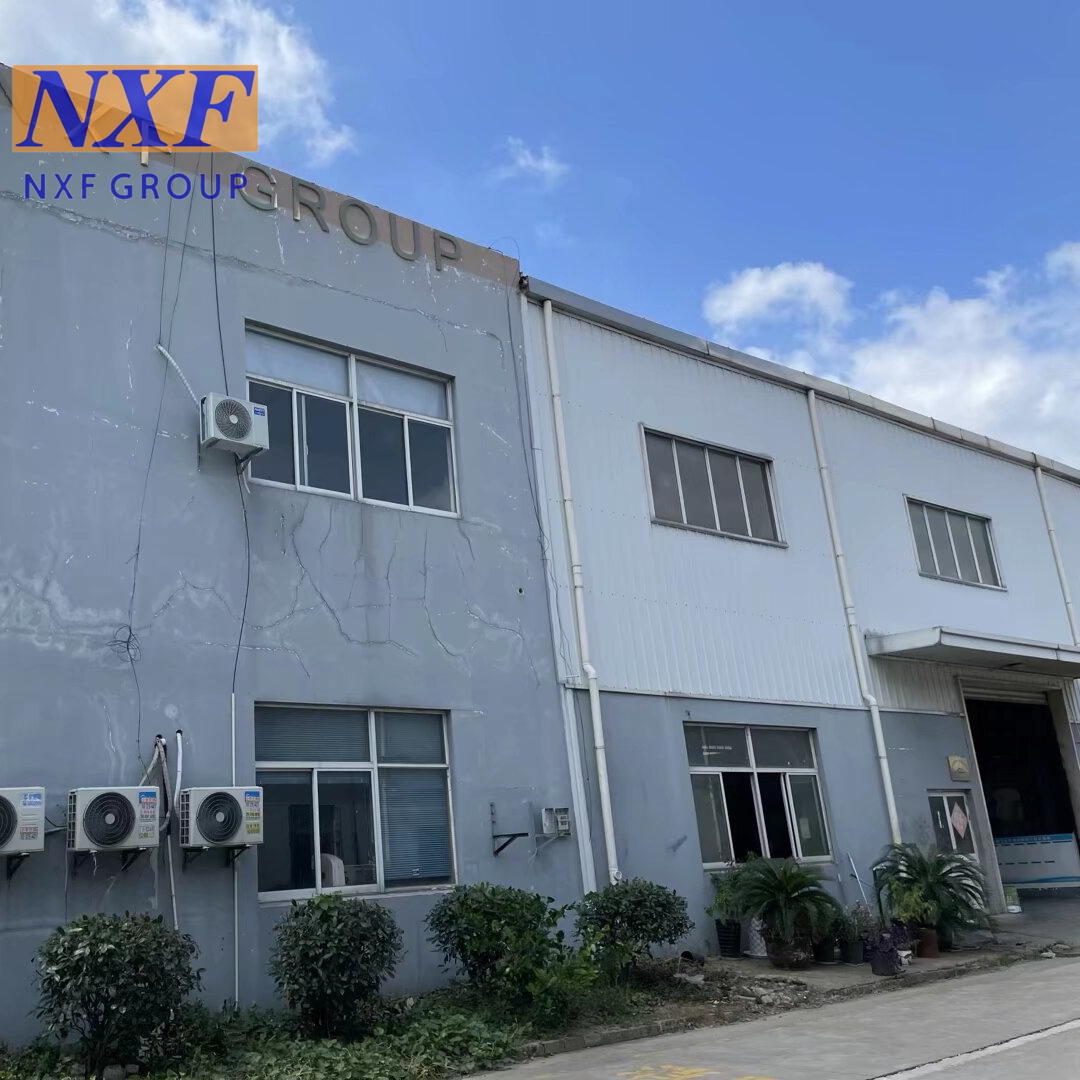
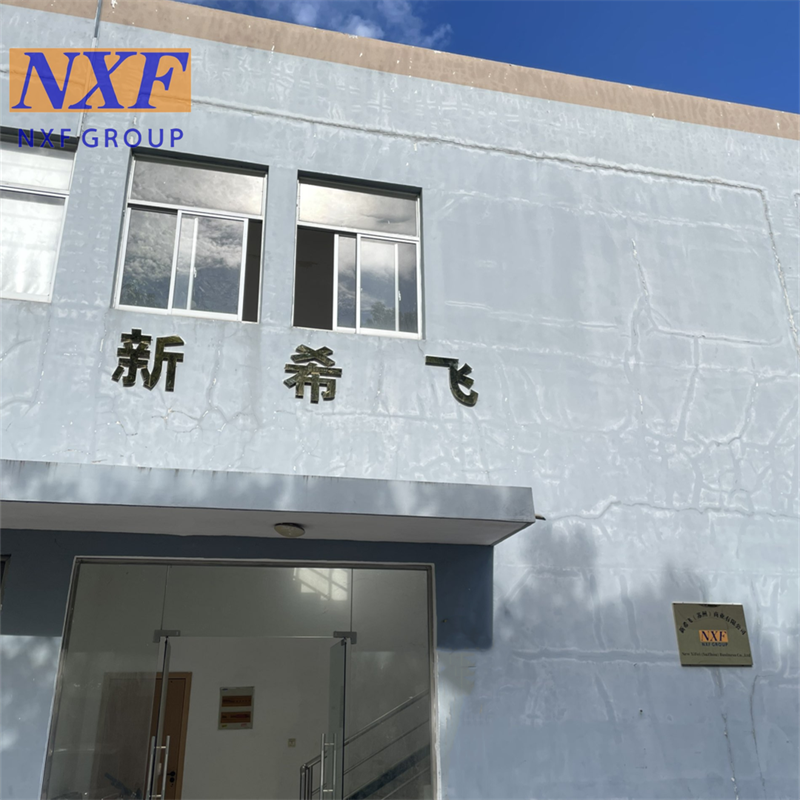


Customer visit to the factory video
Round Pipe Produce Processing
1. Raw Material Checking and Cutting
The whole production process of round pipes begins with strict raw material inspection. Manufacturers check the steel grade, wall thickness, outer diameter, surface condition and straightness of original pipe blanks. Raw materials with cracks, heavy rust, deformation and uneven thickness are strictly rejected. After qualification, the round pipes are cut into fixed sizes according to production requirements. The cutting end faces are kept flat and vertical, and primary burrs are removed to ensure uniform specifications for subsequent processing.
2. End Face Finishing and Deburring
This procedure is to improve the precision and assembly performance of round pipes. The cut pipe ends are finely polished and trimmed to eliminate irregular edges, cutting scratches and sharp burrs. Both the inner and outer edges of the pipe mouth are processed smoothly to prevent scratching hands and sealing parts during assembly. Meanwhile, all residual impurities on the pipe surface are cleaned to create a clean base for later welding, threading or butt connection processes.
3. Precision Shaping and Straightening
After cutting and finishing, round pipes are sent to straightening and shaping equipment. During production, long-distance transportation and cutting may cause slight bending or oval deformation. Operators calibrate the pipe roundness, straightness and outer diameter tolerance through mechanical shaping. This step ensures the overall pipe body is smooth and regular, meets standard dimensional accuracy, and avoids assembly deviation and stress concentration in subsequent installation.
4. Welding and Forming Processing
For seamless welded round pipes, professional butt welding and seam forming processes are carried out in this stage. According to different pipe materials and wall thicknesses, matched welding parameters are adopted to ensure full penetration and firm combination of pipe joints. The welding seam is leveled and trimmed after welding to eliminate welding beads, spatter and raised traces. The whole process ensures the integrated forming of the round pipe with consistent structural strength of the pipe body.
5. Surface Anticorrosion and Finishing Treatment
After forming, all round pipes undergo standardized surface treatment. The process includes overall oil removal, rust removal, cleaning and drying. Carbon steel round pipes are treated with galvanizing, painting or anti-rust oil coating, while stainless steel pipes are polished and passivated. The surface treatment can effectively isolate air and moisture, improve corrosion resistance and wear resistance, and greatly extend the service life of round pipes in various working environments.
6. Dimensional Inspection and Finished Packaging
Before delivery, all finished round pipes need comprehensive quality inspection. Inspectors use calipers, micrometers and straightness detectors to check pipe diameter, wall thickness and overall dimensional accuracy. Surface appearance, welding seam quality and anti-corrosion effect are fully checked. Unqualified products will be reprocessed or corrected. Qualified round pipes are sorted by specifications, bundled and packaged strictly to avoid collision damage during transportation and storage.
Our NXF GROUP advantage as follow
3.Our NXF GROUP biggest advantage is 3S service. Small quantity, short time, special materials.
4.Our NXF GROUP have excellent qualitycertificate system and trademark certificate
5.Our NXF GROUP have a comprehensive after-sales service guarantee, such as the transaction guarantee provided by Alibaba International Station, as well as remote technical guidance and services.
6.Our NXF GROUP have a well-established logistics support system that can save you both time and money, providing you with a one-stop service.


includemetals,machinery, containers, construction materials, mechanical products, electrical systems, and medical
accessories.Establishedin1980, XIFEI has been working diligently ever since to embrace the needs of our global customer base.We work to ensure absolutecustomer satisfaction. Our team has dedicated itself to perfecting our three core components, "Service, Management andCraftsmanship." Our advantage:3S Service(Small Quantity/Short Time/Special Material).


We are based in Jiangsu, China, start from 2021,sell to South Asia(30.00%),South America(10.00%),Eastern Europe(10.00%),Mid East(10.00%),Eastern Asia(10.00%),Southeast Asia(5.00%),Africa(5.00%),Central America(5.00%),Northern Europe(5.00%),North America(5.00%),Domestic Market(5.00%). There are total about 101-200 people in our office.
2. how can we guarantee quality?
Always a pre-production sample before mass production;
Always final Inspection before shipment;
3.what can you buy from us?
Pipe,Flange,Steel plate,Pipe fittings,Alloy products
4. why should you buy from us not from other suppliers?
2.Our NXF GROUP can strictly control the quality. We have production,quality inspection, warehousing and other departments to coordinate and control the quality,Such as PMI and size testing.
3.Our NXF GROUP biggest advantage is 3S service. Small quantity, short time, special materials.
4.Our NXF GROUP have excellent qualitycertificate system and trademark certificate
5.Our NXF GROUP have a comprehensive after-sales service guarantee, such as the transaction guarantee provided by AlibabaInternational Station, as well as remote technical guidance and services.
6.Our NXF GROUP have a well-established logistics support system that can save you both time and money, providing you with aone-stop service.
5. what services can we provide?
Accepted Delivery Terms: FOB,CFR,CIF,EXW,FCA,DDP,DDU;
Accepted Payment Currency:USD,EUR,CAD,HKD,CNY;
Accepted Payment Type: T/T,L/C,D/P D/A,Credit Card,PayPal;
Language Spoken:English,Chinese,Spanish,Russian