

Phone/Whatsapp:+8613917160311
Email: info@nxf-group.com
Email: Andrew@nxf-group.com
Email: Alice@nxf-group.com
NXF UNS S30400 ASTM 304/JIS 304/EN 1.430 DN15-1200 Class150-2500 Stainless Steel 304 Forged Fitting Blind Flanges
Stainless Steel 304 Introduction
commonly referred to as "18/8" because of its nominal composition of 18% chromium and 8% nickel, with the balance being iron plus small amounts of carbon, manganese, and silicon. It offers an excellent balance of corrosion resistance, formability, and weldability, making it the default choice for general-purpose applications. In its annealed condition, it is essentially non-magnetic and maintains good toughness across a wide temperature range, including cryogenic service.
Typical uses include kitchen equipment, food and beverage processing, architectural panels, chemical containers, water piping, automotive trim, and fasteners. It performs well in atmospheric, fresh-water, and mildly chemical environments.
Its main limitation is susceptibility to chloride-induced pitting and crevice corrosion, so it is not recommended for marine,
coastal, or high-salt service — for those environments.
Blind FlangesIntroduction
1. Basic Structure:
Blind flanges are solid, disc-shaped pipe fittings without a center bore. They feature complete flat sealing faces and standard bolt holes, which are designed to block and seal pipeline ends perfectly.
2. Core Function:The main purpose of blind flanges is to close off pipe systems, block pipeline flow, or isolate equipment. They are also widely reserved for future pipeline expansion and maintenance access.
3. Working Performance:With thick solid body structure, blind flanges provide excellent pressure resistance and structural stability. They can withstand high pressure and temperature conditions without deformation or leakage.
4. Application Range:They are commonly used in oil, gas, chemical, power plant and water treatment industries. Ideal for blocking pipeline terminals, isolating pressure vessels and closing unused pipe openings.
5. Standard and Features:Manufactured in accordance with ASME B16.5, EN1092 and other international standards. Available in carbon steel, stainless steel and alloy steel, featuring reliable sealing, high safety and long service life.


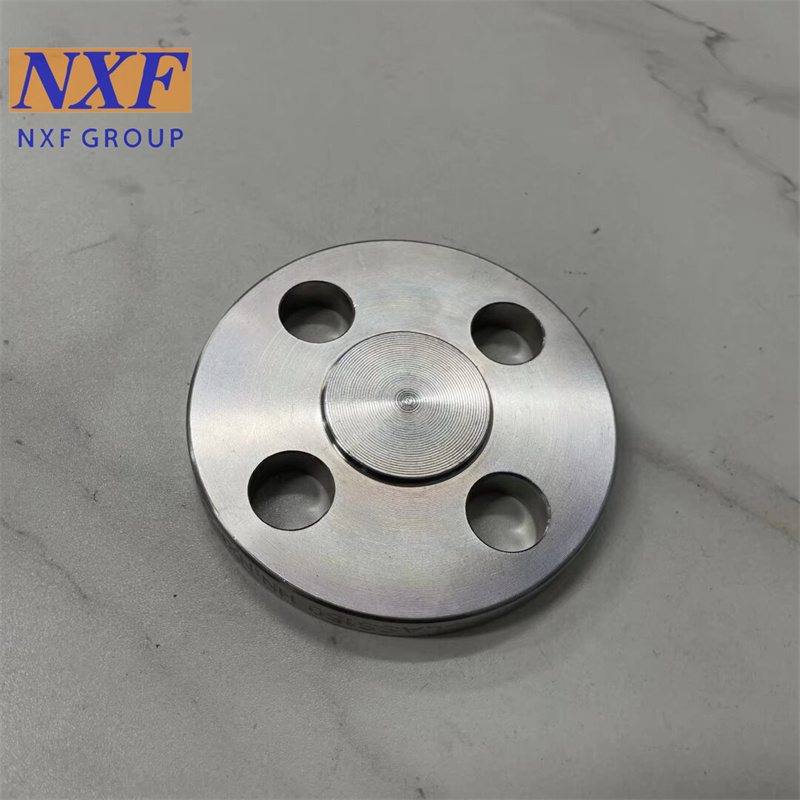
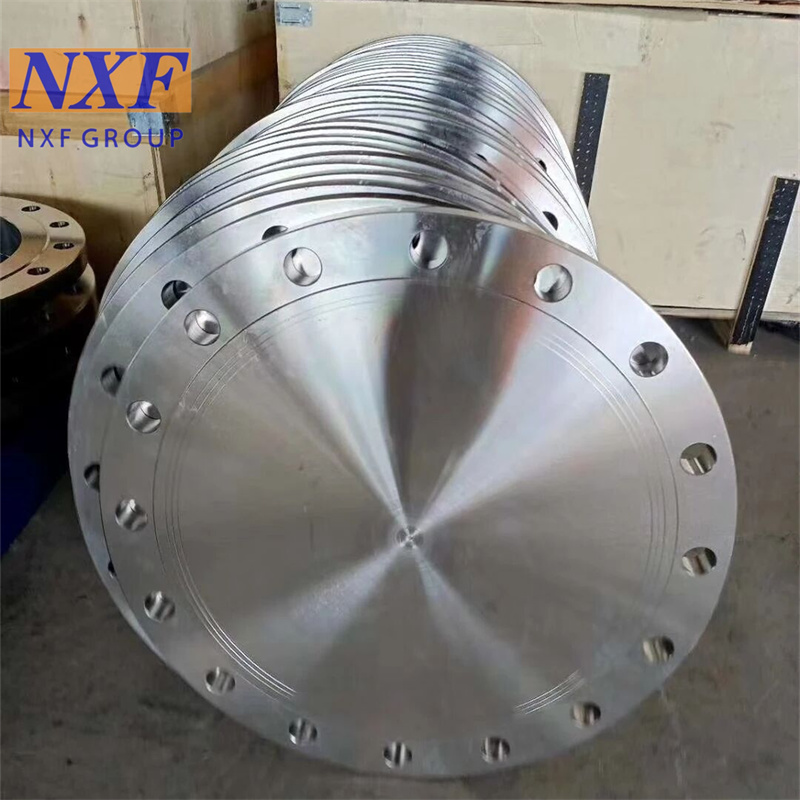
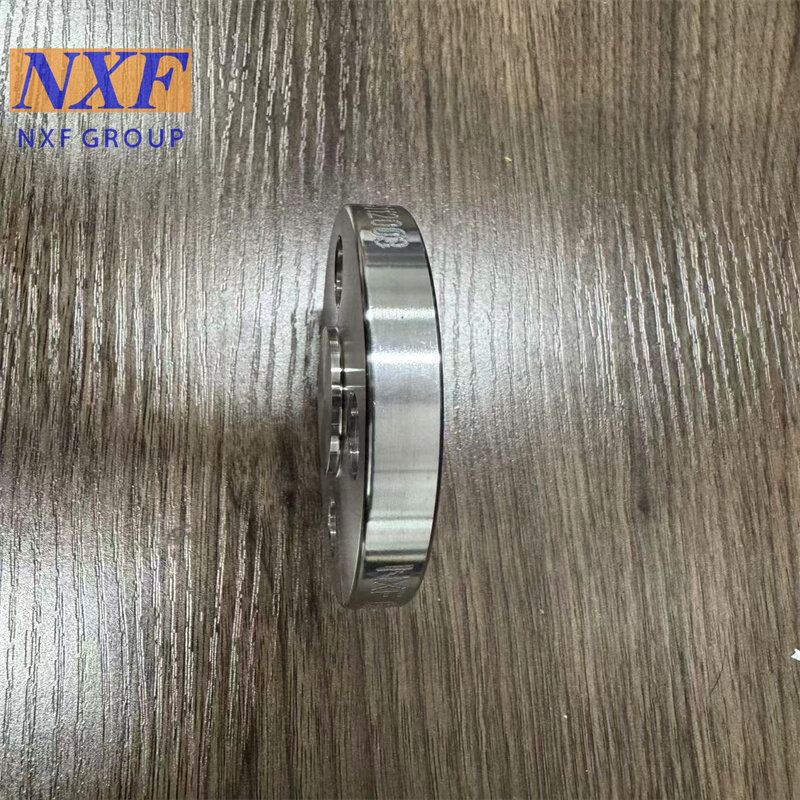
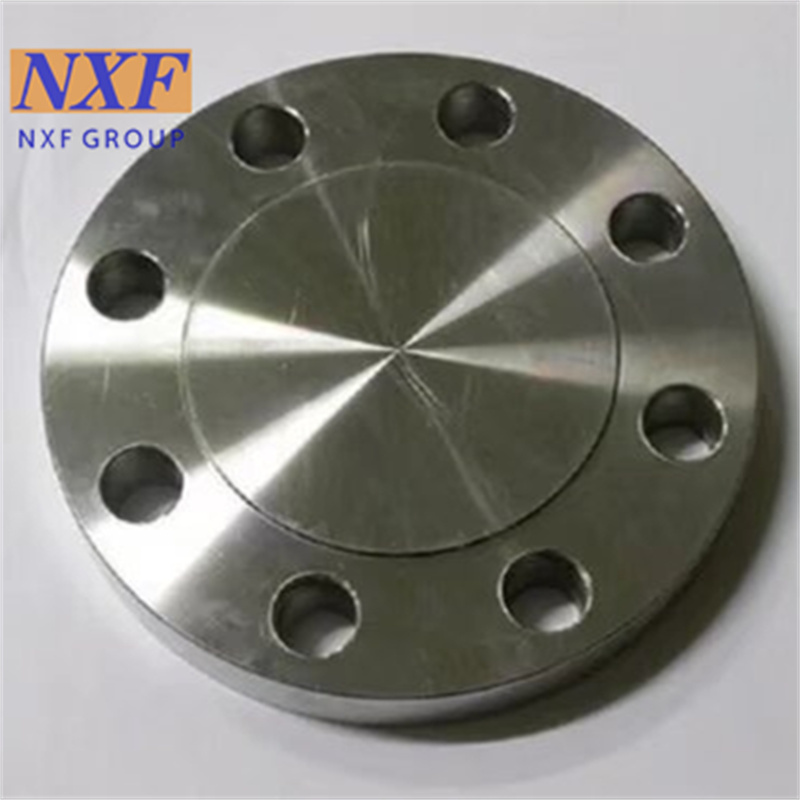

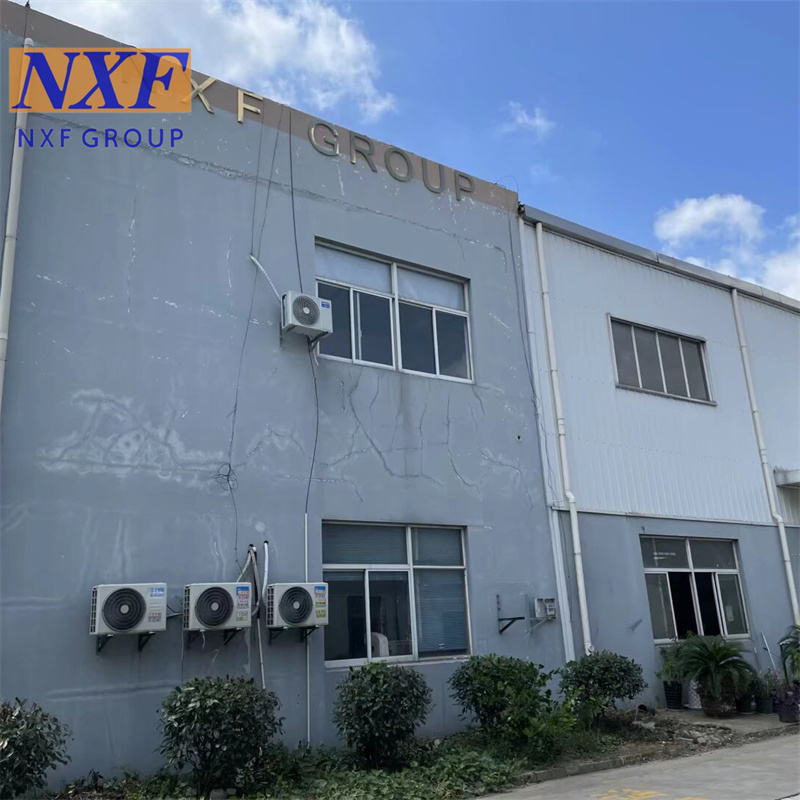
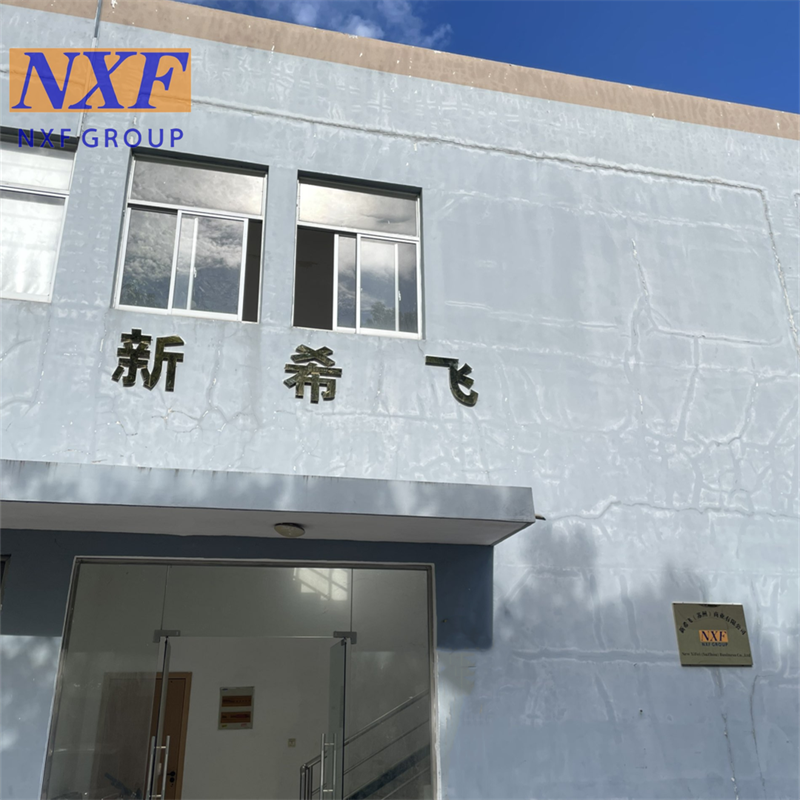
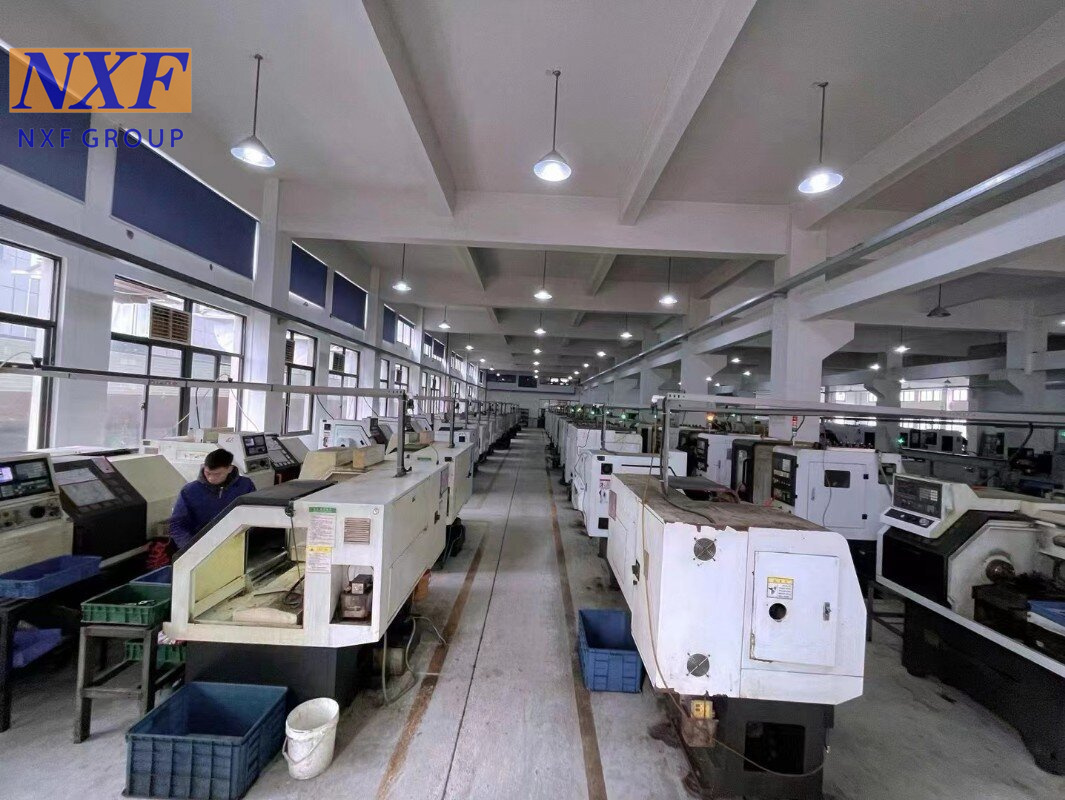

Customer visit to the factory video
Blind Flanges Produce Processing
1.Raw Material Inspection
Qualified raw materials including forged billets and steel plates (A105, F304, F316L, F321, etc.) are received with original material test certificates. The QC team verifies chemical composition and mechanical properties to match the material grade. Visual inspection is performed to check surface defects like cracks, laminations and pits. Material heat numbers are recorded for full traceability. Any unqualified stock will be rejected and returned before entering production.
2.Cutting & Rough Forging
Based on blank dimensions calculated from finished drawings, raw stock is cut into required blanks. For forged blind flanges, billets are heated to specified forging temperature and pressed into round shape by hydraulic forging equipment. Forging eliminates internal porosity and refines grain structure to guarantee mechanical performance. For plate-type blind flanges, circular blanks are cut by laser or plasma cutting machine. Cutting slag and sharp edges are cleaned after cutting.
3.Rough Machining
Blanks are clamped on CNC lathes for rough turning. Front face, back face, outer diameter and thickness are machined with proper finish allowance reserved for subsequent finishing. Most of the extra material is removed. Large burrs and sharp edges are eliminated. After rough machining, operators check blank size to ensure no excessive deviation which may affect the finish machining process.
4.Finish Machining
Precision turning is carried out for the sealing face, flange thickness, outer diameter and back face to meet tolerance requirements. Bolt hole pitch circle is positioned accurately, and bolt holes are drilled and chamfered by machining center or radial drill. Key parameters including sealing surface roughness, flatness and perpendicularity are strictly controlled in accordance with ASME B16.5 or customer technical drawings.
5.Nondestructive Test & Surface Treatment
Machining chips, grease and dirt are thoroughly cleaned from flanges. Nondestructive testing such as UT, MT or PT will be conducted as per order requirements to detect invisible internal or surface cracks. After NDT acceptance, surface treatment is arranged. Carbon steel blind flanges can be coated with black paint or anti-rust oil. Stainless steel blind flanges go through pickling and passivation. Hot-dip galvanizing is available for special anti-corrosion demands.
6.Final Inspection & Packing
QC carries out full final inspection, covering all dimensions, sealing surface quality, bolt hole size and surface condition. Material grade, nominal size, pressure class and heat number are permanently marked on the flange body. Qualified products are wrapped with anti-rust paper and packed into fumigated wooden cases. All inspection certificates, material documents and packing list are prepared together for shipment.
Our NXF GROUP advantage as follow
3.Our NXF GROUP biggest advantage is 3S service. Small quantity, short time, special materials.
4.Our NXF GROUP have excellent qualitycertificate system and trademark certificate
5.Our NXF GROUP have a comprehensive after-sales service guarantee, such as the transaction guarantee provided by Alibaba International Station, as well as remote technical guidance and services.
6.Our NXF GROUP have a well-established logistics support system that can save you both time and money, providing you with a one-stop service.


includemetals,machinery, containers, construction materials, mechanical products, electrical systems, and medical
accessories.Establishedin1980, XIFEI has been working diligently ever since to embrace the needs of our global customer base.We work to ensure absolutecustomer satisfaction. Our team has dedicated itself to perfecting our three core components, "Service, Management andCraftsmanship." Our advantage:3S Service(Small Quantity/Short Time/Special Material).


We are based in Jiangsu, China, start from 2021,sell to South Asia(30.00%),South America(10.00%),Eastern Europe(10.00%),Mid East(10.00%),Eastern Asia(10.00%),Southeast Asia(5.00%),Africa(5.00%),Central America(5.00%),Northern Europe(5.00%),North America(5.00%),Domestic Market(5.00%). There are total about 101-200 people in our office.
2. how can we guarantee quality?
Always a pre-production sample before mass production;
Always final Inspection before shipment;
3.what can you buy from us?
Pipe,Flange,Steel plate,Pipe fittings,Alloy products
4. why should you buy from us not from other suppliers?
2.Our NXF GROUP can strictly control the quality. We have production,quality inspection, warehousing and other departments to coordinate and control the quality,Such as PMI and size testing.
3.Our NXF GROUP biggest advantage is 3S service. Small quantity, short time, special materials.
4.Our NXF GROUP have excellent qualitycertificate system and trademark certificate
5.Our NXF GROUP have a comprehensive after-sales service guarantee, such as the transaction guarantee provided by AlibabaInternational Station, as well as remote technical guidance and services.
6.Our NXF GROUP have a well-established logistics support system that can save you both time and money, providing you with aone-stop service.
5. what services can we provide?
Accepted Delivery Terms: FOB,CFR,CIF,EXW,FCA,DDP,DDU;
Accepted Payment Currency:USD,EUR,CAD,HKD,CNY;
Accepted Payment Type: T/T,L/C,D/P D/A,Credit Card,PayPal;
Language Spoken:English,Chinese,Spanish,Russian