
NXF GROUP

Phone/Whatsapp:+8613917160311
Email: info@nxf-group.com
Email: Andrew@nxf-group.com
Email: Alice@nxf-group.com
English
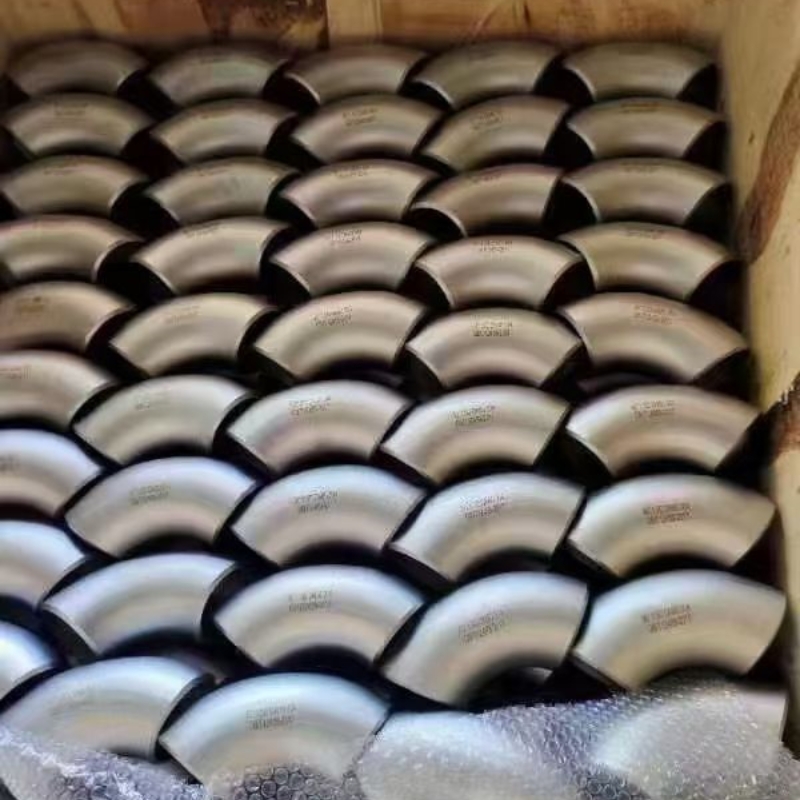
NXF 316/0Cr17Ni12Mo2/1.4401 Stainless Steel 316 Butt Welding Elbow DN 15-1200 SCH10-XXS Pipe fitting
2024-09-29 16:28 NXF group
19
Product Description
316 stainless steel is generally a general term for stainless steel and acid-resistant steel. Stainless steel refers to steel that is resistant to corrosion by weak media such as atmosphere, steam and water, while acid-resistant steel refers to steel that is resistant to corrosion by chemically corrosive media such as acid, alkali and salt. 316 is an alloy of stainless iron and nickel. Composition ratio: 16% nickel, 84% stainless iron. 316 stainless steel is the second widely used steel type after 304. It is mainly used in the food industry and surgical equipment. The addition of molybdenum can give it a special corrosion-resistant structure. The addition of Mo element to 316 stainless steel greatly improves its corrosion resistance and high-temperature strength. The high temperature resistance can reach 1200-1300 degrees, and it can be used under harsh conditions.
In the piping system, elbows are pipe fittings that change the direction of the pipeline. According to the angle, there are three most commonly used elbows: 45°, 90°, and 180°. In addition, according to the needs of the project, there are other non-normal angle elbows such as 60°. The materials of elbows include cast iron, stainless steel, alloy steel, forgeable cast iron, carbon steel, non-ferrous metals and plastics.The ways to connect with the pipe are: direct welding (the most common way) flange connection, hot melt connection, electric fusion connection, threaded connection and socket connection. According to the production process, it can be divided into: welded elbow, stamped elbow, push elbow, cast elbow, butt welding elbow, etc. Other names: 90 degree elbow, right angle elbow, etc.




Semi-Automatic PET Bottle Blowing Machine Bottle Making Machine Bottle Moulding MachinePET Bottle Making Machine is suitable for producing PET plastic containers and bottles in all shapes.
Specification
Packing & Delivery


To better ensure the safety of your goods, professional, environmentally friendly, convenient and efficient packaging services will be provided.
Company Profile
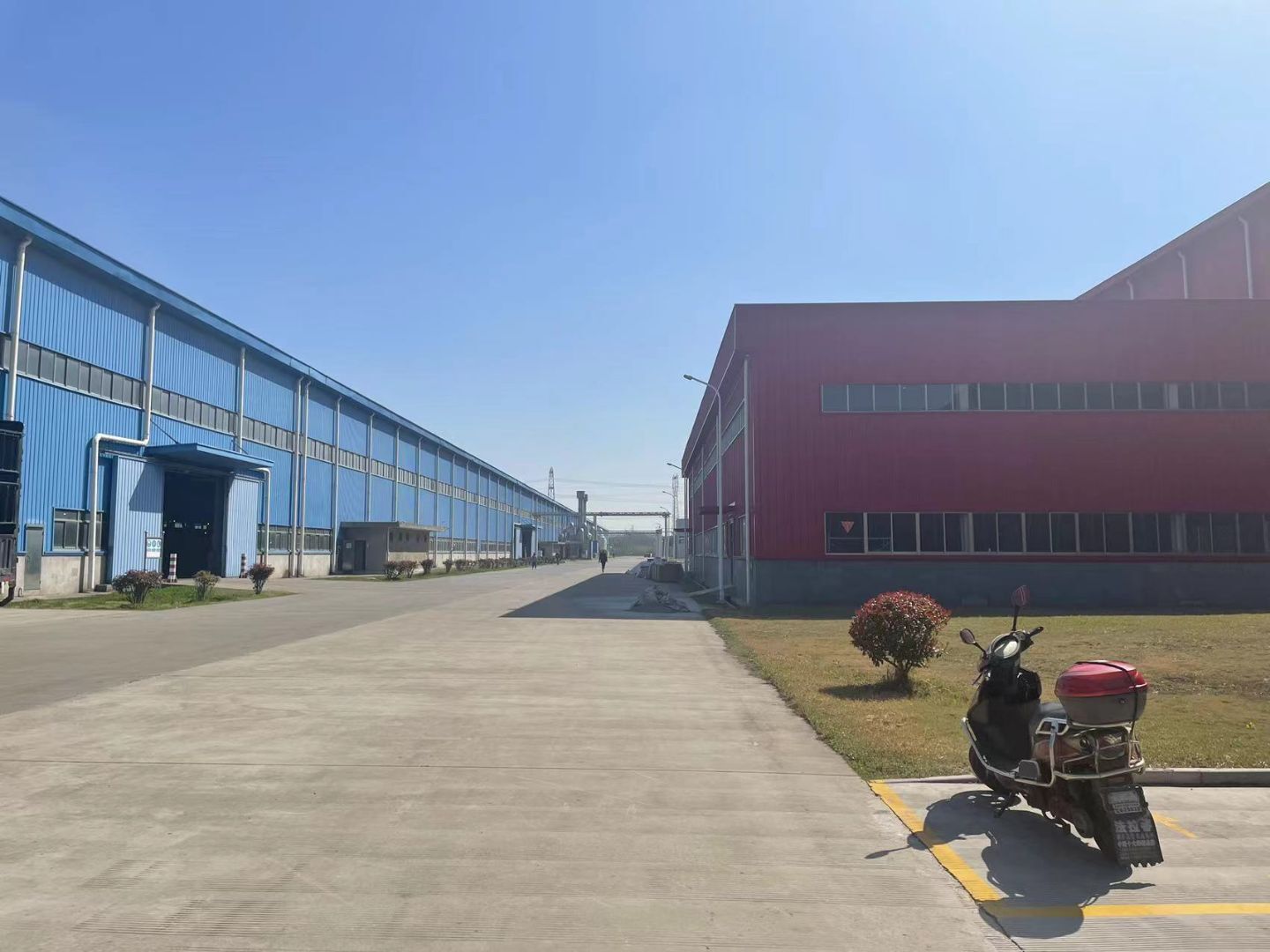
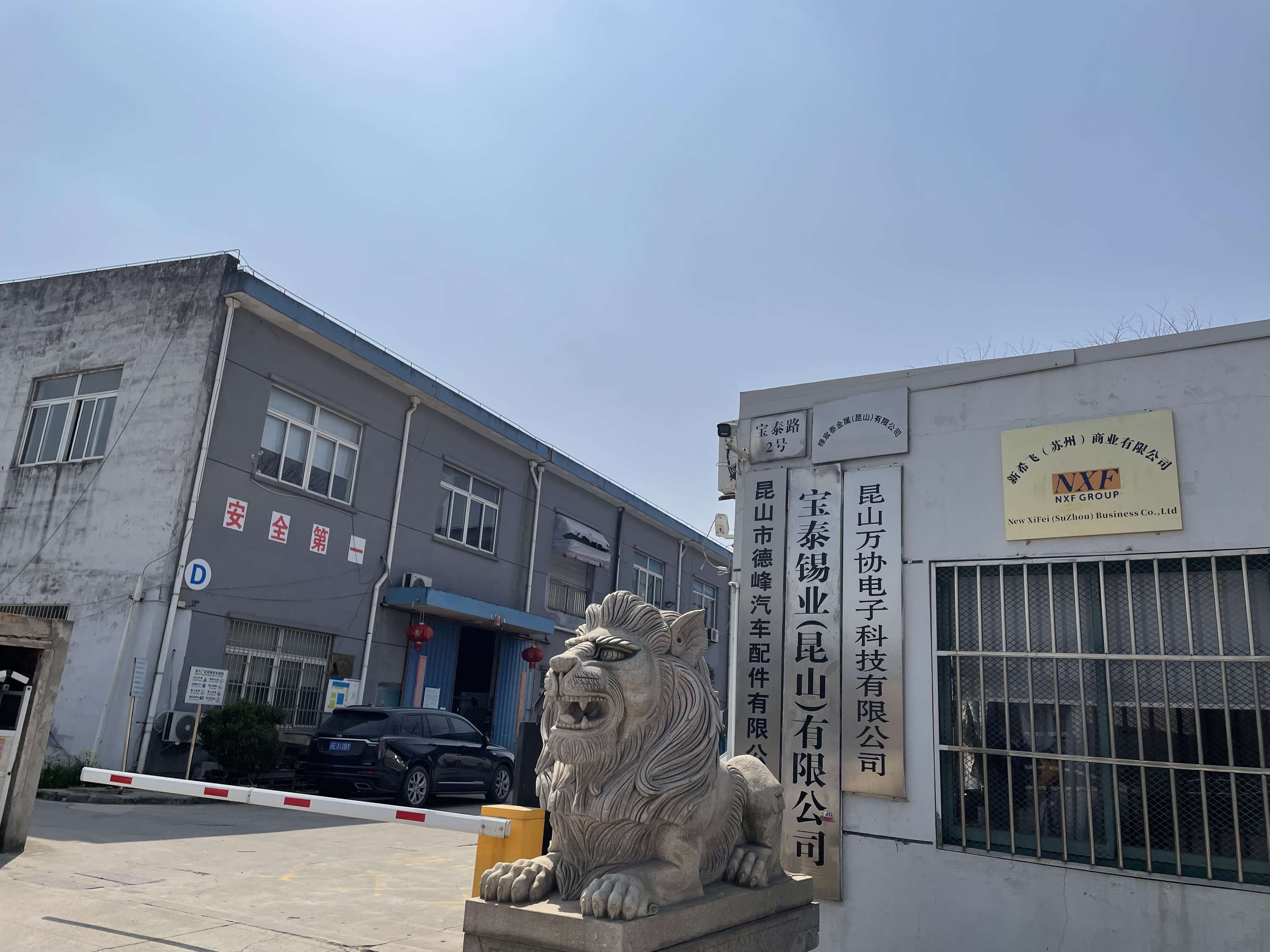
New XiFei (SuZhou) Business Co.,Ltd is one of the leading and most respected manufacturers in China. Our products include metals, machinery, containers, construction materials, mechanical products, electrical systems, and medical accessories. Established in 1980, XIFEI has been working diligently ever since to embrace the needs of our global customer base.We work to ensure absolute customer satisfaction. Our team has dedicated itself to perfecting our three core components, "Service, Management and Craftsmanship." Our advantage:3S Service(Small Quantity/Short Time/Special Material)
Certifications


FAQ
1. who are we?
We are based in Jiangsu, China, start from 2021,sell to South Asia(30.00%),Eastern Asia(10.00%),Mid East(10.00%),Eastern Europe(10.00%),South America(10.00%),Domestic Market(5.00%),North America(5.00%),Northern Europe(5.00%),Central America(5.00%),Africa(5.00%),Southeast Asia(5.00%). There are total about 101-200 people in our office.
2. how can we guarantee quality?
Always a pre-production sample before mass production;
Always final Inspection before shipment;
3.what can you buy from us?
Pipe,Flange,Steel plate,Pipe fittings,Alloy products
4. why should you buy from us not from other suppliers?
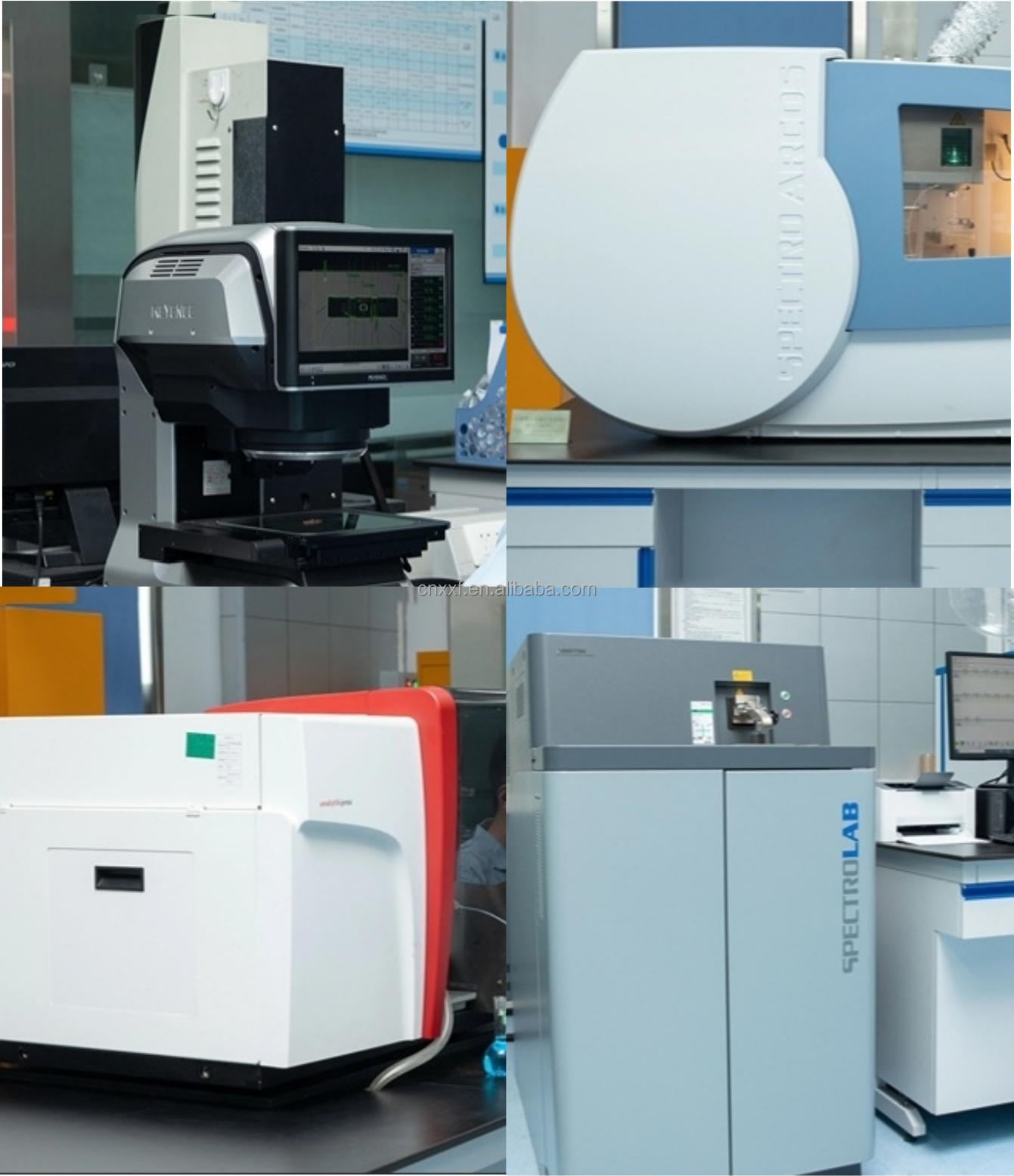
Our advantage:3S Service (Small Quantity/Short Time/Special Material) We have our own factories, quality can be controlled seriously.We Specialize in manufacturing about 21 years.We have professional testing department and testing equipment.
5. what services can we provide?
Accepted Delivery Terms: FOB,CFR,CIF,EXW,FCA;
Accepted Payment Currency:USD,EUR,CAD,HKD,CNY;
Accepted Payment Type: T/T,L/C,D/P D/A;
Language Spoken:English,Chinese
声明:此篇为NXF GROUP原创文章,转载请标明出处链接: https://www.nxf-group.com/h-nd-243.html
Phone
+8613917160311
Whatsapp
Whatsapp
+8613917160311
Wechat
Wechat
Inquiry
Email
info@nxf-group.com
Inquiry
Inquiry