

Phone/Whatsapp:+8613917160311
Email: info@nxf-group.com
Email: Andrew@nxf-group.com
Email: Alice@nxf-group.com
NXF ASTM A36/DIN17100/EN10025-2/JIS G3101 OD DN15-1200 PN 1.6-100MPa Carbon Steel A36 Valve Free Ball Float Steam Trap
A36 Introduction
Free Ball Float Steam TrapIntroduction


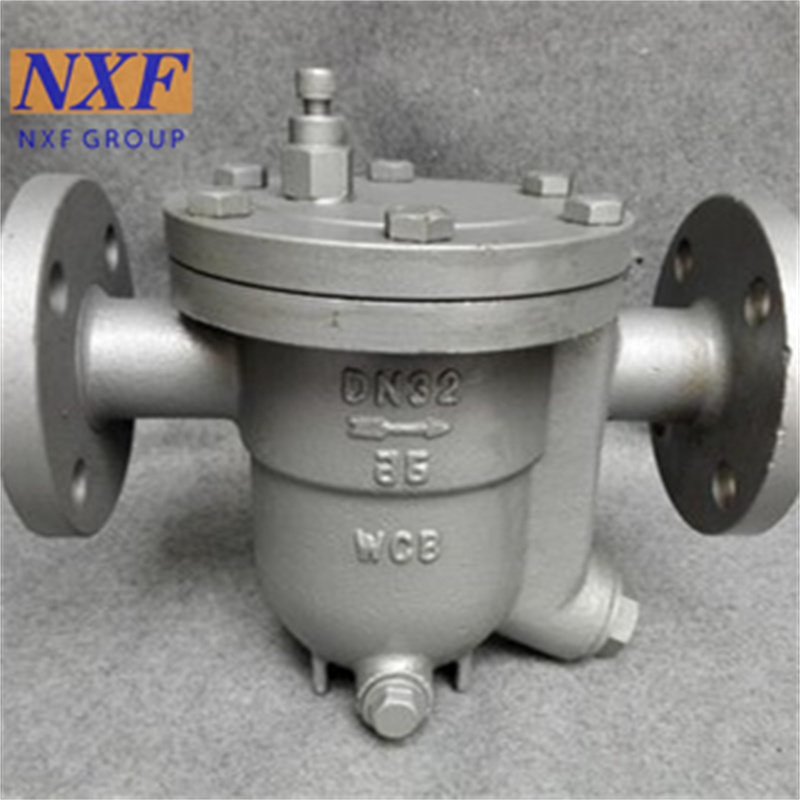
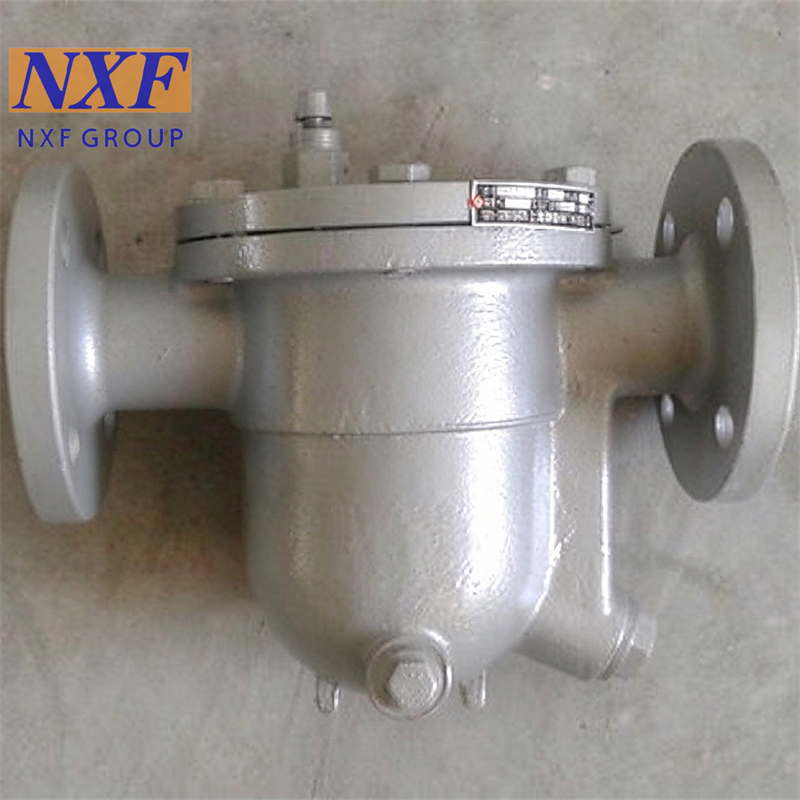
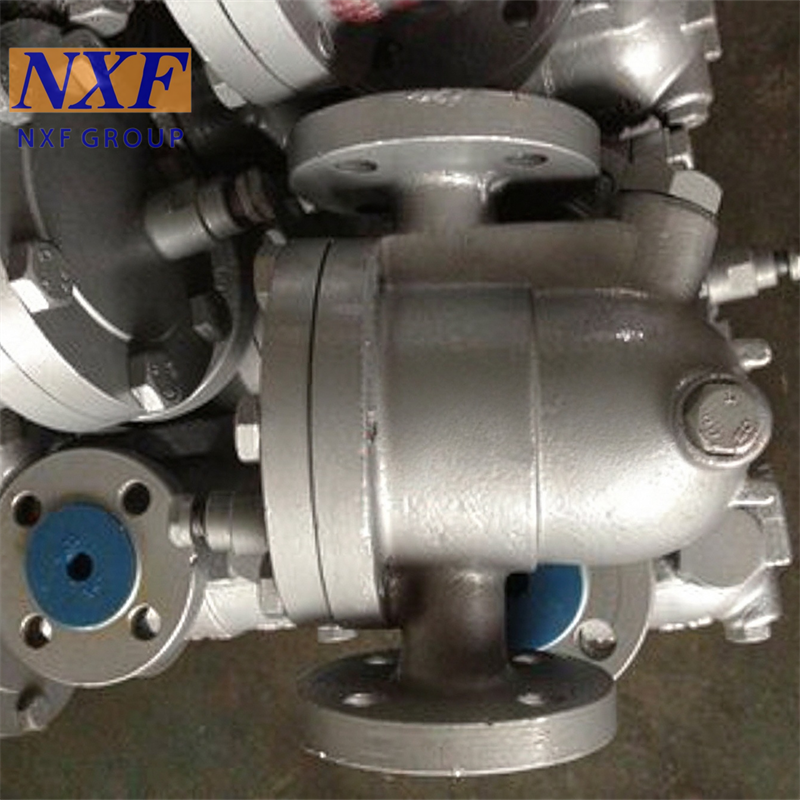
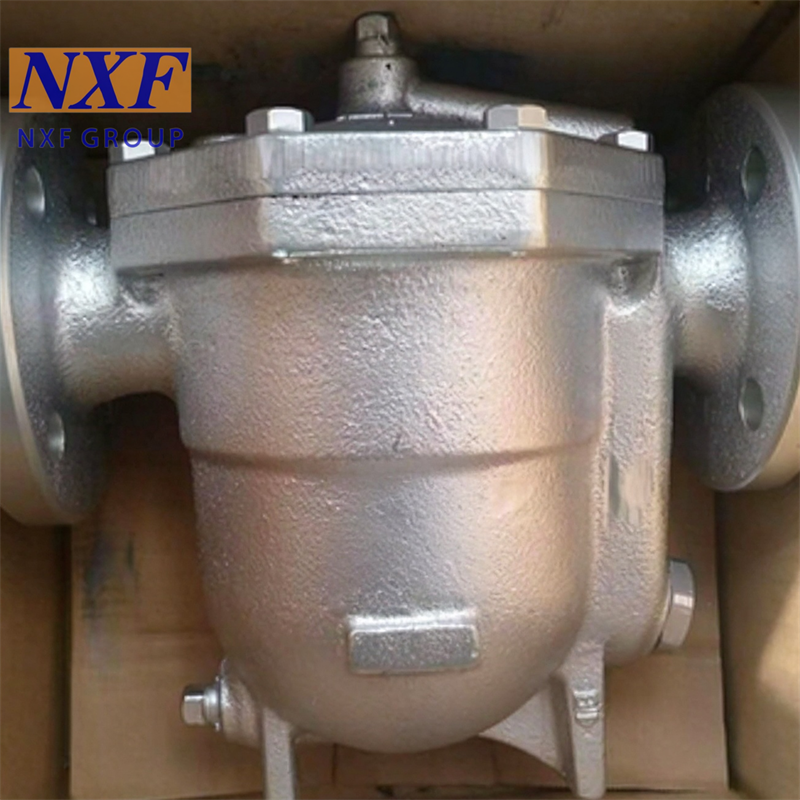
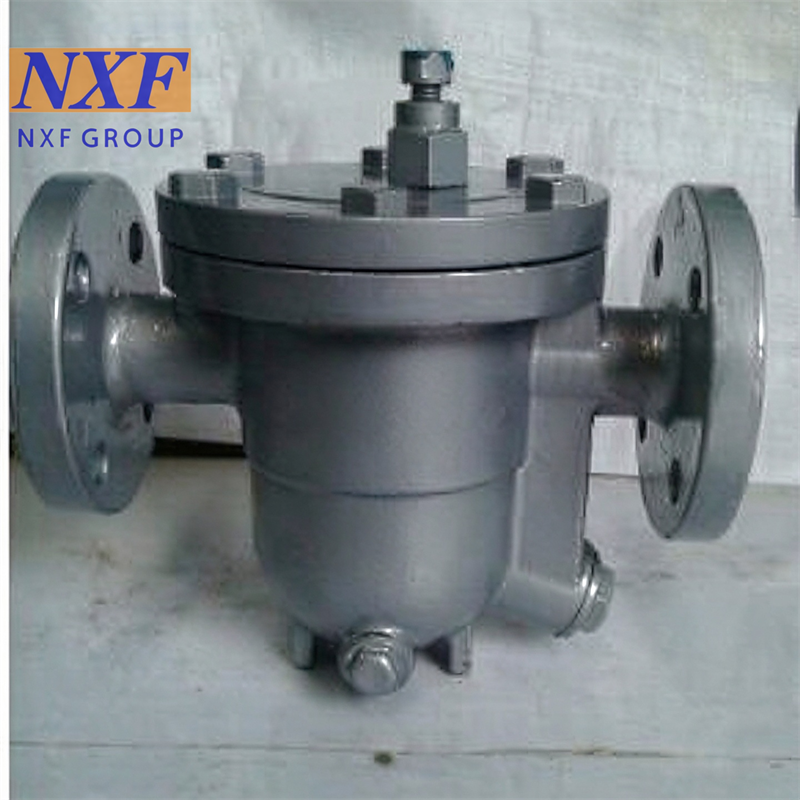
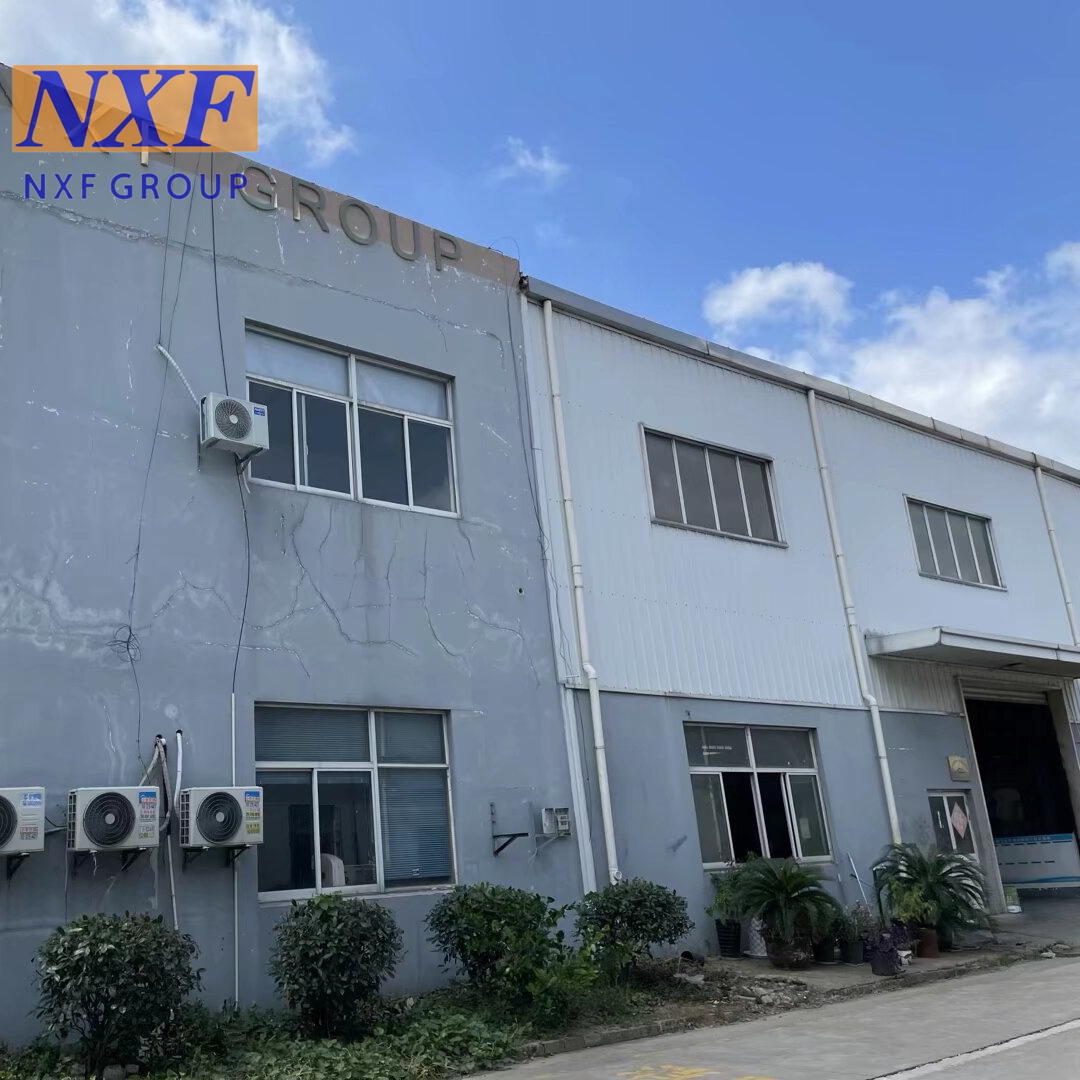
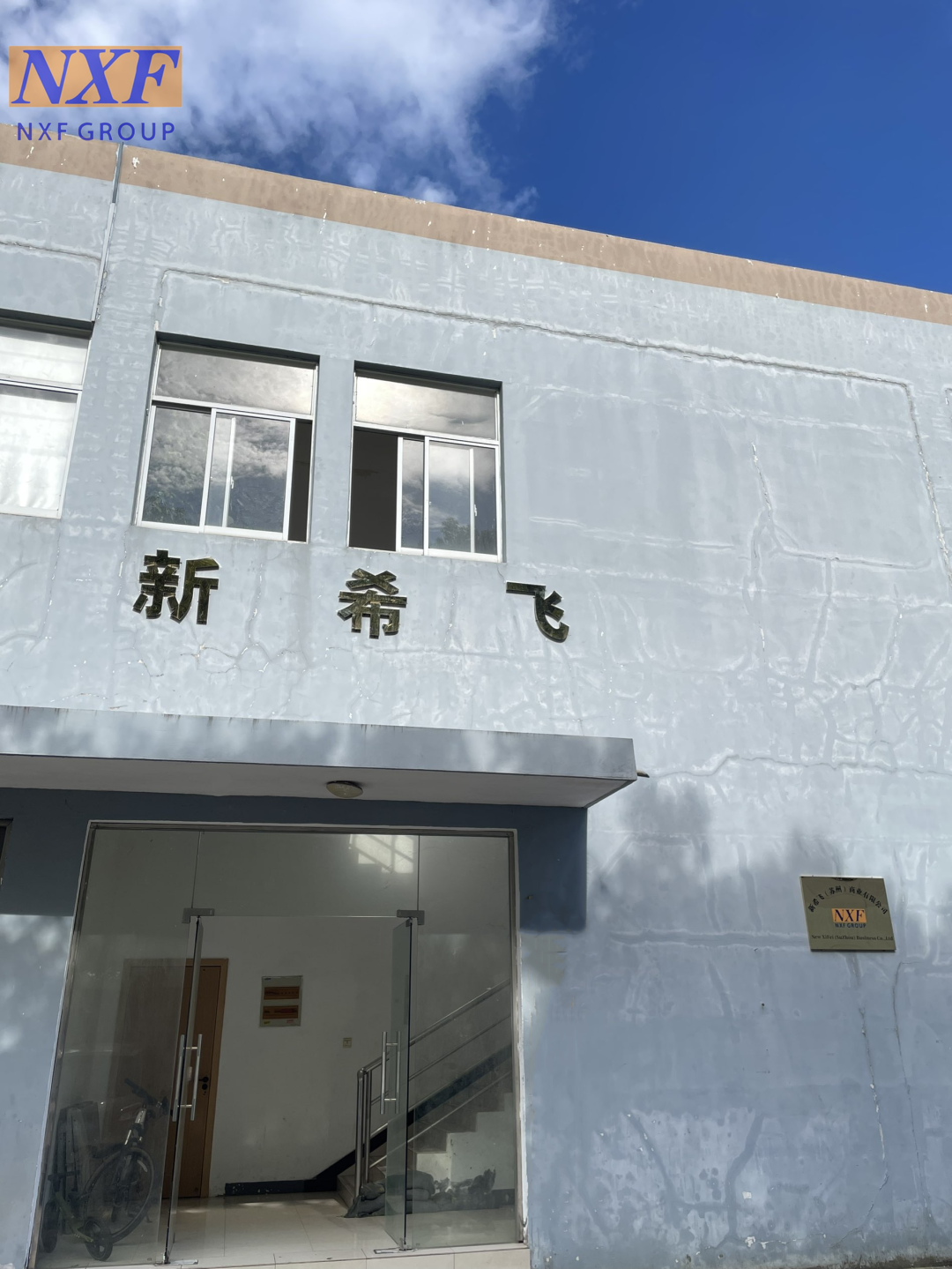


Free Ball Float Steam TrapProduct Processing
1. Raw Material InspectionValve body raw material is A36 casting or forging. Verify material certificates, perform spectrum test and mechanical property inspection, mark heat numbers for traceability. Inspect float ball, seat and spring components together.
2. Blank FormingCast or forge valve body blanks according to drawings, remove burnt sand, flash and scale, reserve machining allowance.
3. Stress Relief Heat TreatmentConduct stress relief heat treatment for blanks to eliminate residual stress from casting or forging and stabilize dimensional stability.
4. Precision MachiningCNC machining of flow passage, flange sealing faces, threaded holes and seat mounting holes. Strictly control flatness and geometric tolerance of sealing surfaces; machine seat and guide sleeve parts simultaneously.
5. Parts CleaningClean all machined components to remove oil and metal debris for clean assembly surfaces.
6. Pre-assembly and CommissioningAssemble float ball, valve seat, guide assembly and air vent parts. Check smooth movement of float ball without jamming or scraping.
7. Hydrostatic Shell TestCarry out hydrostatic shell test in accordance with standards to check leakage on valve body and sealing joints.
8. Functional Performance TestUse compressed air or water to simulate water level variation, test opening/closing, drainage and steam sealing performance of the trap.
9. MarkingLaser mark model, material A36, size, pressure class and flow direction on valve body.
10. Surface TreatmentSandblasting for rust removal, apply anti-rust primer and top coat as per order requirements.
11. Final Inspection & Document PreparationReview all test records, compile MTC, hydrostatic test reports and performance test reports.
12. Packing and WarehousingProtective packing with certificate and installation manual, classified storage.
Our NXF GROUP advantage as follow
2.Our NXF GROUP can strictly control the quality. We have production, quality inspection, warehousing and other departments to coordinate and control the quality,Such as PMI and size testing.
3.Our NXF GROUP biggest advantage is 3S service. Small quantity, short time, special materials.
4.Our NXF GROUP have excellent quality certificate system and trademark certificate.
5.Our NXF GROUP have a comprehensive after-sales service guarantee, such as the transaction guarantee provided by Alibaba International Station, as well as remote technical guidance and services.
6.Our NXF GROUP have a well-established logistics support system that can save you both time and money, providing you with a one-stop service.


We are based in Jiangsu, China, start from 2021,sell to South Asia(30.00%),Eastern Asia(10.00%),Mid East(10.00%),Eastern Europe(10.00%),South America(10.00%),Domestic Market(5.00%),North America(5.00%),Northern Europe(5.00%),Central America(5.00%),Africa(5.00%),Southeast Asia(5.00%). There are total about 101-200 people in our office.
2. how can we guarantee quality?
Always a pre-production sample before mass production;
Always final Inspection before shipment;
3.what can you buy from us?
Pipe,Flange,Steel plate,Pipe fittings,Alloy products
4. why should you buy from us not from other suppliers?
Our advantage:
2.Our NXF GROUP can strictly control the quality. We have production, quality inspection, warehousing and other departments to coordinate and control the quality,Such as PMI and size testing.
3.Our NXF GROUP biggest advantage is 3S service. Small quantity, short time, special materials.
4.Our NXF GROUP have excellent quality certificate system and trademark certificate.
5.Our NXF GROUP have a comprehensive after-sales service guarantee, such as the transaction guarantee provided by Alibaba International Station, as well as remote technical guidance and services.
6.Our NXF GROUP have a well-established logistics support system that can save you both time and money, providing you with a one-stop service.
5. what services can we provide?
Accepted Delivery Terms: FOB,CFR,CIF,EXW,FCA,DDP,DDU;
Accepted Payment Currency:USD,EUR,CAD,HKD,CNY;
Accepted Payment Type: T/T,L/C,D/P D/A,Credit Card,PayPal;
Language Spoken:English,Chinese,Spanish,Russian