Alloy C276 Introduction:Alloy C276 (UNS N10276, W.Nr. 2.4819) is a high-performance nickel-based alloy with nickel as the base metal, supplemented with elements such as chromium, molybdenum, and tungsten. It possesses exceptional overall performance due to its unique composition ratio. It exhibits strong corrosion resistance in both oxidizing and reducing environments, capable of withstanding strong acids like hydrochloric acid, sulfuric acid, and acetic acid, as well as media containing high chloride ions such as seawater and salt solutions. It also effectively resists pitting, crevice corrosion, and stress corrosion cracking, maintaining stable performance even in medium to high-temperature environments. The alloy also has good mechanical strength and formability, allowing it to be shaped through various processes such as welding, forging, and cold working. The heat-affected zone of the weld is not prone to intergranular precipitation, so it maintains excellent corrosion resistance without the need for post-weld heat treatment. Due to its outstanding corrosion resistance and reliability, Alloy C276 is widely used in industries such as chemical, petrochemical, marine engineering, pharmaceuticals, aerospace, and environmental desulfurization,
Alloy C276 Applications:Alloy C276 (UNS N10276, W.Nr. 2.4819) is a high-performance nickel-based alloy with nickel as the base metal, supplemented with elements such as chromium, molybdenum, and tungsten. It possesses exceptional overall performance due to its unique composition ratio. It exhibits strong corrosion resistance in both oxidizing and reducing environments, capable of withstanding strong acids like hydrochloric acid, sulfuric acid, and acetic acid, as well as media containing high chloride ions such as seawater and salt solutions. It also effectively resists pitting, crevice corrosion, and stress corrosion cracking, maintaining stable performance even in medium to high-temperature environments. The alloy also has good mechanical strength and formability, allowing it to be shaped through various processes such as welding, forging, and cold working. The heat-affected zone of the weld is not prone to intergranular precipitation, so it maintains excellent corrosion resistance without the need for post-weld heat treatment. Due to its outstanding corrosion resistance and reliability, Alloy C276 is widely used in industries such as chemical, petrochemical, marine engineering, pharmaceuticals, aerospace, and environmental desulfurization,
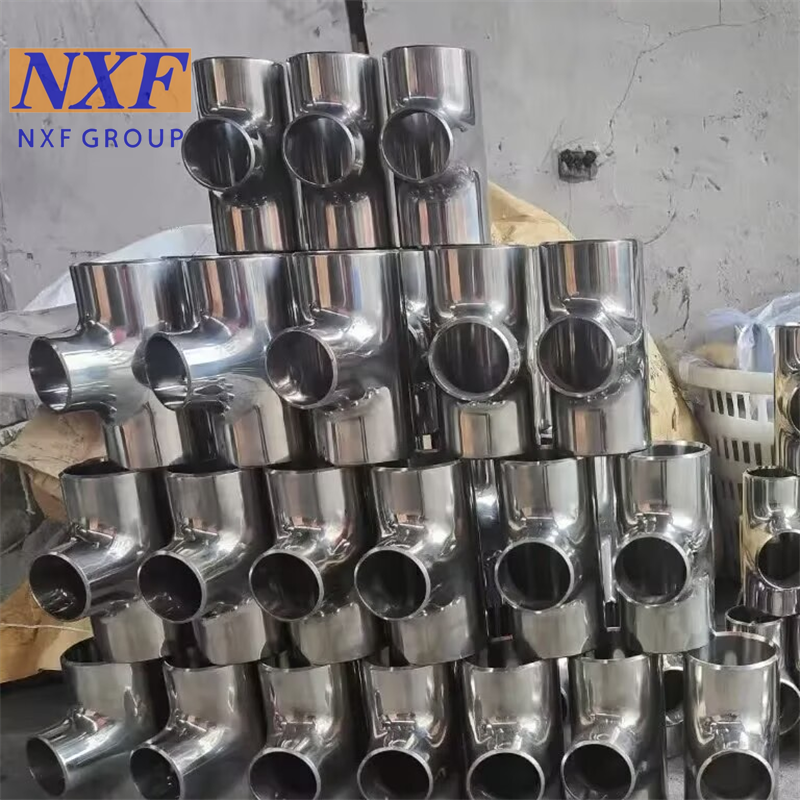
Alloy C276 Butt Welding Tee Introduction:
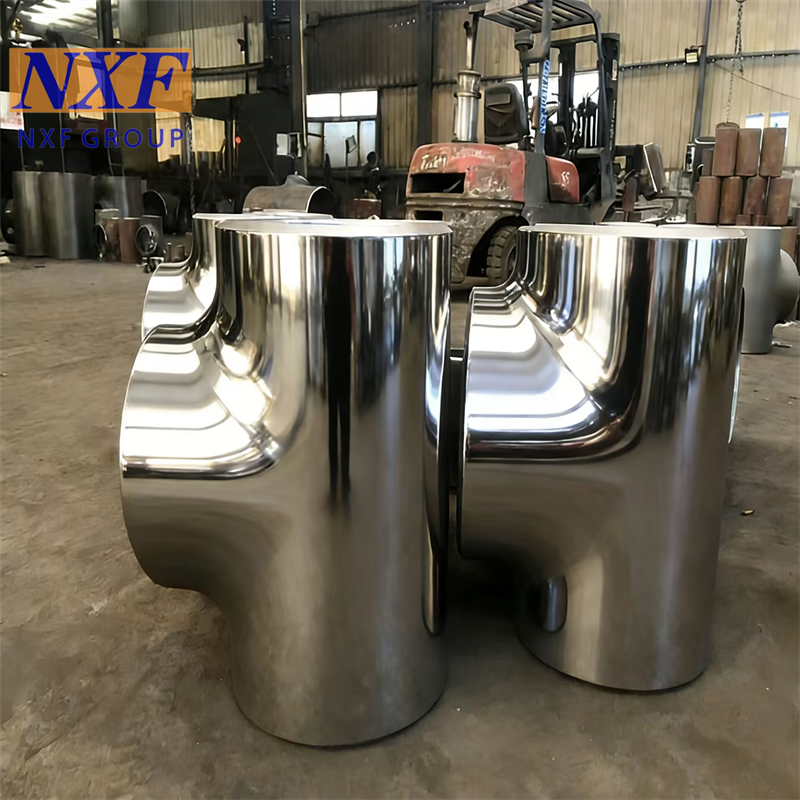
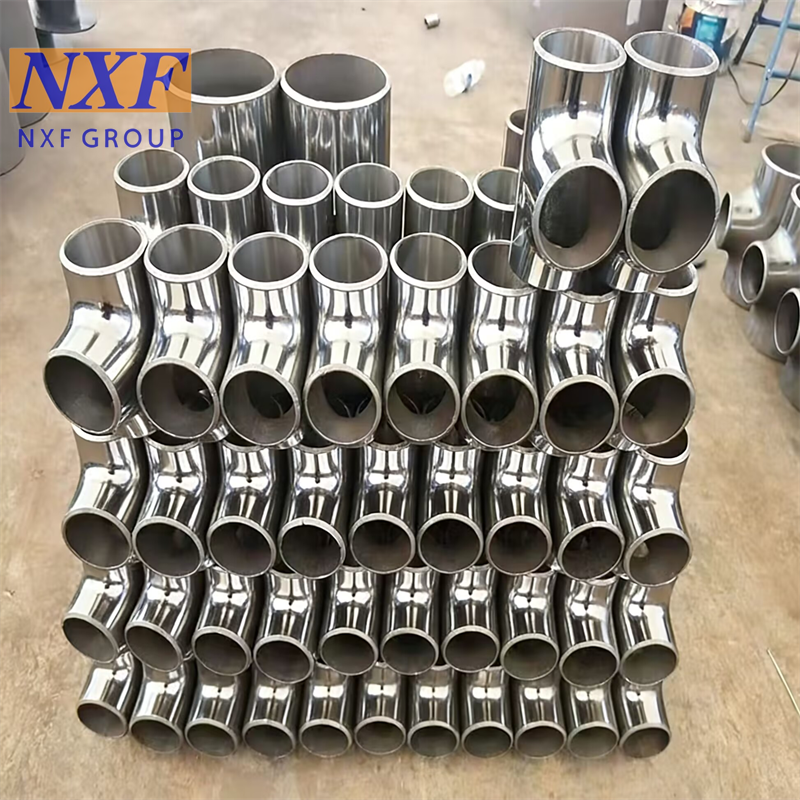
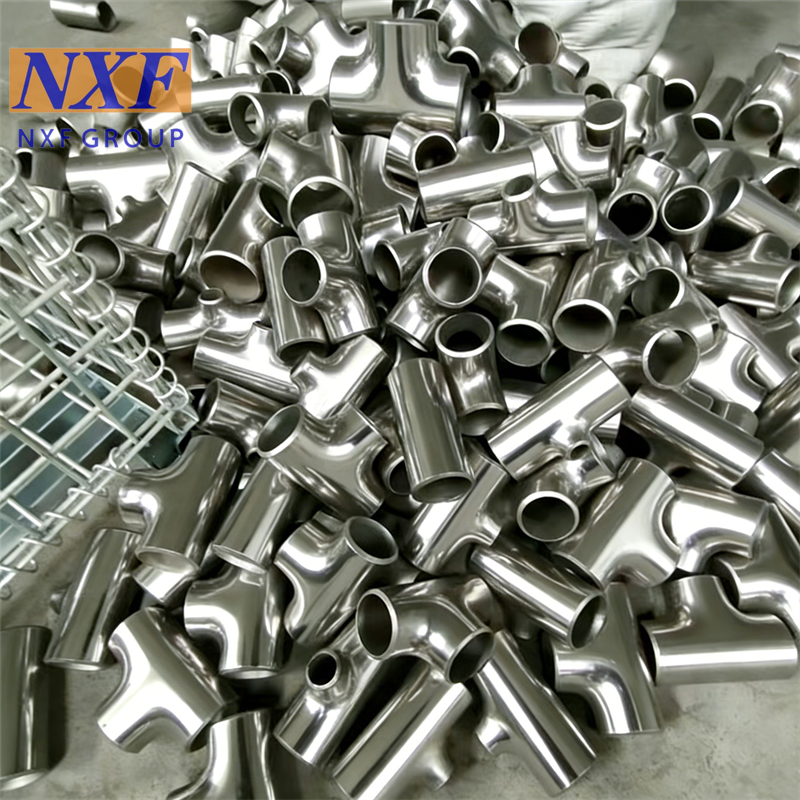
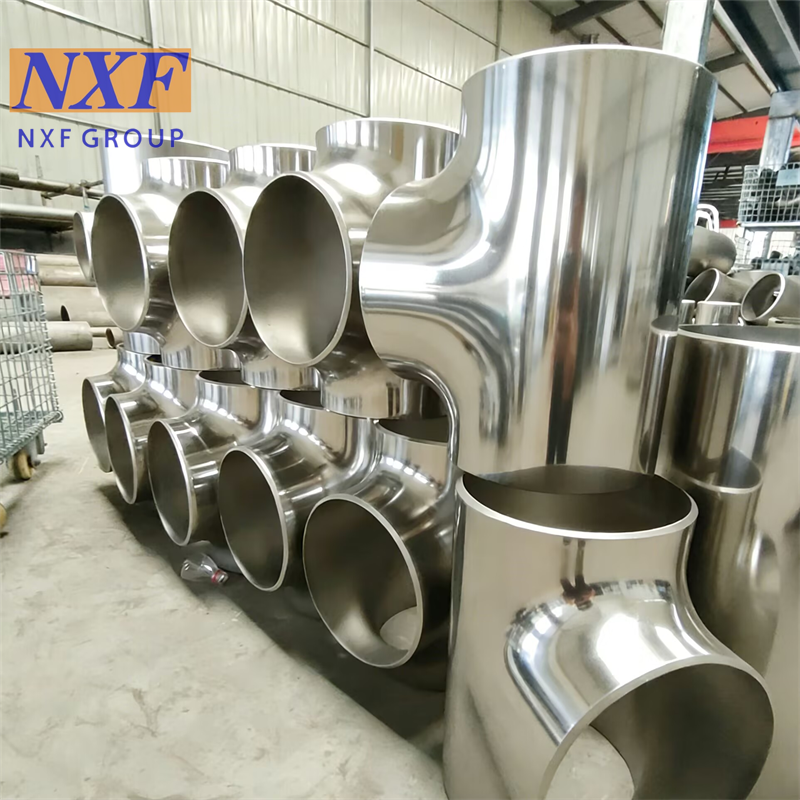
Alloy C276 BW Tee, also known as UNS N10276 (W.Nr.2.4819) weld neck tee, is a key nickel-based alloy pipe fitting used in piping systems to achieve fluid diversion or merging. Its material is based on nickel, combined with core elements such as molybdenum, chromium, and tungsten, and also contains small amounts of iron, cobalt, and manganese. Its extremely low carbon content (typically below 0.01%) effectively prevents carbide precipitation during welding, ensuring resistance to intergranular corrosion in the weld heat-affected zone. This composition gives it excellent corrosion resistance, resisting erosion from various strong acids such as sulfuric acid, hydrochloric acid, and acetic acid, as well as harsh environments such as chlorinated media, seawater, and salt water. It also effectively prevents pitting corrosion, crevice corrosion, and stress corrosion cracking. Furthermore, it maintains good corrosion resistance and mechanical properties in the welded state without solution heat treatment, making it suitable for complex working conditions such as high temperature and high pressure. This butt-welded tee is manufactured in accordance with industry standards such as ASTM B366. It uses a butt-welding connection method to form a strong, sealed weld joint with pipes of the same material. After installation, it ensures the structural integrity and long-term operational stability of the system. Commonly used in chemical processing, petrochemicals, marine engineering, pollution control, pharmaceuticals, and food processing, it is frequently applied to critical components such as corrosive fluid transport pipelines, reactor inlet and outlet pipelines, and heat exchanger connection pipelines. It is an ideal pipe fitting choice for coping with extreme corrosive environments and ensuring the efficient and safe operation of industrial processes. Its excellent machinability also facilitates customized production and installation according to actual engineering needs, adapting to different pipe diameters, pressure ratings, and special operating conditions.