
NXF GROUP

Phone/Whatsapp:+8613917160311
Email: info@nxf-group.com
Email: Andrew@nxf-group.com
Email: Alice@nxf-group.com
English
NXF UNS NO7718/2.4668/NiCr19NbMo/alloy 718 DN6-1200 Class3000-9000 Nickel Alloy Forged Fitting Socket Welding Tee
2026-09-16 08:53 NXF GROUP
4
Product Description
Alloy 718 Introduction
Alloy 718/2.4668 is a nickel-chromium-iron alloy with niobium and molybdenum and low contained aluminum and tnum. Excellent mechanical properties in lower temperatures. Excellent corrosion resistance at high and low temperatures
Inconel 718 is a nickel-based super alloy that is well suited for applications requiring high strength in temperature ranges from cryogenic up to 1400°F. Inconel 718 also exhibits excellent tensile and impact strength.
Inconel 718 is a nickel-based super alloy that is well suited for applications requiring high strength in temperature ranges from cryogenic up to 1400°F. Inconel 718 also exhibits excellent tensile and impact strength.
Socket Welding Tee Introduction
Socket-weld tees are a type of forged socket-weld pipe fitting featuring a T-shaped structure. All three ports are designed as sockets; the steel pipe is inserted into the socket, and the connection is completed by applying a fillet weld to the outer wall. They are used for flow splitting or merging in piping systems.I. Structure and Connection PrincipleStructure: The fitting ports are machined with stepped sockets. The inner diameter of the socket is slightly larger than the outer diameter of the steel pipe, leaving an assembly clearance of 0.5–1 mm. The pipe is inserted into the socket and positioned against the step; no beveling is required, and the connection is sealed and secured by an external fillet weld.Welding Type: Fillet weld (not butt weld). The weld leg size is generally at least half the pipe wall thickness; welding is performed only on the exterior of the fitting, not the interior.ClassificationEqual Socket-Weld Tee: All three ports have the same size.Reducing Socket-Weld Tee: The branch pipe diameter is smaller than the main pipe diameter; used for branching with a change in size.
2.Manufacturing and StandardsProcess: Closed-die forging from round bar or steel ingots → stress-relief heat treatment → CNC machining of sockets. As forged components, they possess a dense material structure, unlike castings.Applicable StandardsNational Standard (China): GB/T 14383-2022 "Forged Steel Socket-Welding and Threaded Fittings"International Standard: ASME B16.11 (most commonly used)Pressure Ratings: 3000#, 6000#, 9000# (corresponding to SCH80 and SCH160 heavy-wall piping)Common Materials: Carbon steel (A105, 20#); stainless steel (304, 316L); alloy steel (F22, F91); duplex steel, etc.Common Sizes: DN6–DN100 (1/8"–4"); widely used in engineering for small-bore, high-pressure pipelines (DN50 and below).3. AdvantagesSimple Installation: Pipes are inserted directly for positioning; no beveling is required. Assembly is convenient, allowing for installation in confined spaces and ensuring high on-site efficiency.High Strength and Pressure Rating: As forged parts, they offer high strength and pressure resistance, making them suitable for high-pressure operating conditions with excellent seismic and vibration resistance. The internal flow passage of the fitting is smooth, resulting in lower flow resistance compared to threaded tees; its compact dimensions make it suitable for instrumentation, sampling, and branch line applications.The fittings are forged and compatible with non-destructive testing (such as PT/MT—liquid penetrant and magnetic particle testing), ensuring controllable quality.
Socket Welding Tee Drawing

Alloy 718 Chemical composition and mechanical properties

Factory and Product Pictures
Socket Welding Tee Factory and Product Pictures


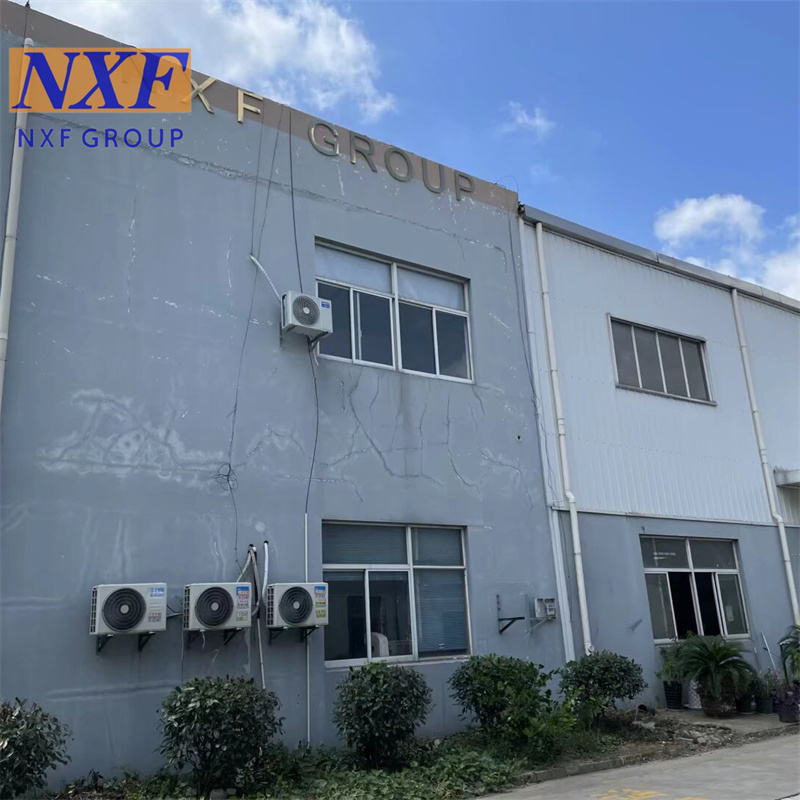
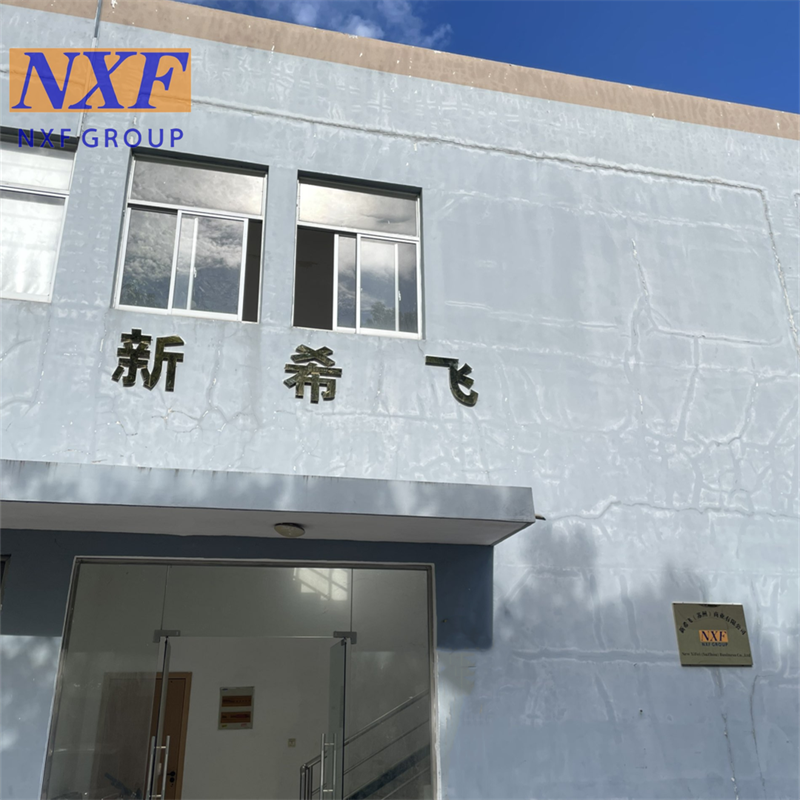
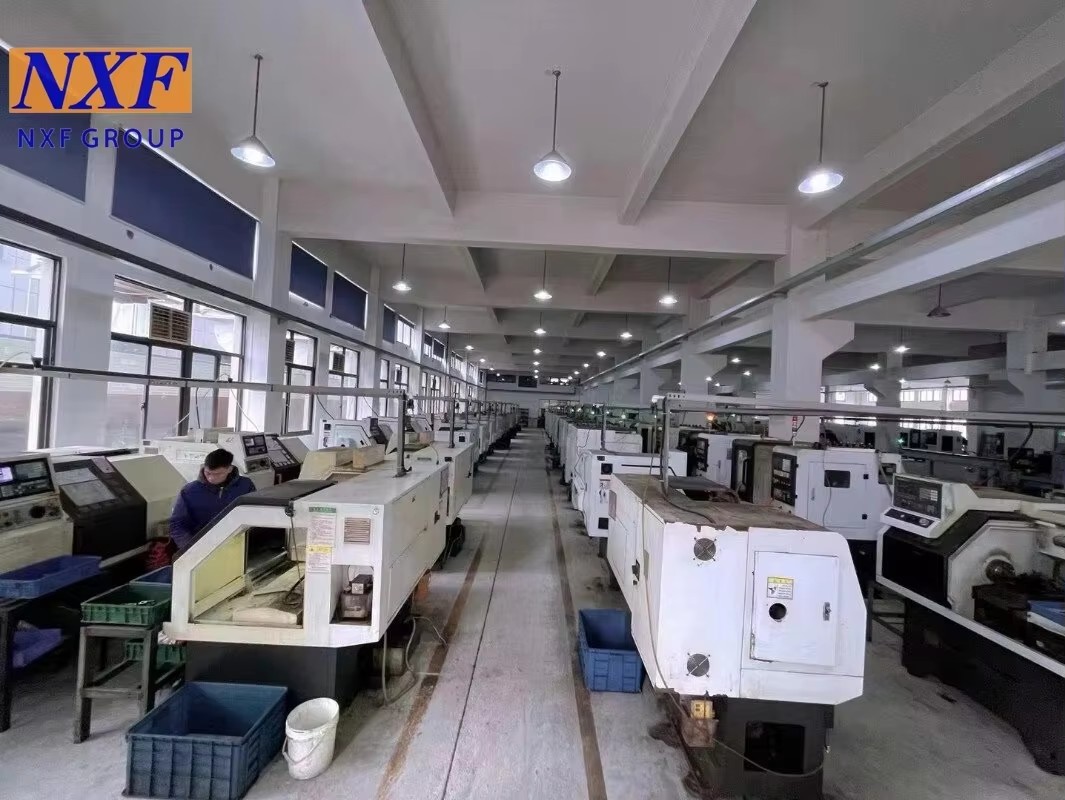
Alloy 718 PMI spectral testing proves

Customer visit to the factory video
718 Socket Welding Tee Produce Processing
Production and Processing Steps—Material Selection and Billet Heating: High-quality carbon steel, alloy steel, or stainless steel billets meeting ASTM standards are cut to the required size and heated in a furnace to forging temperature (approximately 2150°F / 1177°C) to enhance metal plasticity.Die Forging: The heated steel is placed into a custom-shaped forging die. A hydraulic or mechanical press applies immense pressure to form the rough profile of the tee fitting and establish the three-way branch structure.Rough Trimming: A specialized punch press is used to remove excess flash (i.e., the metal waste extruded at the die parting line).Heat Treatment: The forged blank undergoes normalizing, annealing, or quenching and tempering to relieve internal stresses and optimize mechanical properties and hardness.CNC Machining and Turning: The workpiece is secured on a CNC lathe or machining center. Operators bore the three recessed "socket" openings to precise dimensional tolerances (compliant with ASME B16.11 standards), ensuring the bore depth and diameter meet pipe insertion requirements.Surface Finishing and Inspection: The fitting undergoes cleaning, deburring, and passivation (for stainless steel), followed by comprehensive quality inspections, including dimensional checks, pressure rating verification, and non-destructive testing (NDT, such as magnetic particle or ultrasonic testing).
Our NXF GROUP advantage as follow
1.Our NXF GROUP have our own factory, and we can control the cost by producing by ourselves. We have a great advantage in price and can give you the lowest price based on best quality.
2.Our NXF GROUP can strictly control the quality. We have production,quality inspection, warehousing and other departments to coordinate and control the quality,Such as PMI and size testing.
3.Our NXF GROUP biggest advantage is 3S service. Small quantity, short time, special materials.
4.Our NXF GROUP have excellent qualitycertificate system and trademark certificate
5.Our NXF GROUP have a comprehensive after-sales service guarantee, such as the transaction guarantee provided by Alibaba International Station, as well as remote technical guidance and services.
6.Our NXF GROUP have a well-established logistics support system that can save you both time and money, providing you with a one-stop service.
Packing & Delivery
Packing


Delivery

Company Profile

New XiFei (SuZhou) Business Co.,Ltd is one of the leading and most respected manufacturers in China. Our products
includemetals,machinery, containers, construction materials, mechanical products, electrical systems, and medical
accessories.Establishedin1980, XIFEI has been working diligently ever since to embrace the needs of our global customer base.We work to ensure absolutecustomer satisfaction. Our team has dedicated itself to perfecting our three core components, "Service, Management andCraftsmanship." Our advantage:3S Service(Small Quantity/Short Time/Special Material).
Certification


FAQ
1. who are we?
We are based in Jiangsu, China, start from 2021,sell to South Asia(30.00%),South America(10.00%),Eastern Europe(10.00%),Mid East(10.00%),Eastern Asia(10.00%),Southeast Asia(5.00%),Africa(5.00%),Central America(5.00%),Northern Europe(5.00%),North America(5.00%),Domestic Market(5.00%). There are total about 101-200 people in our office.
2. how can we guarantee quality?
Always a pre-production sample before mass production;
Always final Inspection before shipment;
3.what can you buy from us?
Pipe,Flange,Steel plate,Pipe fittings,Alloy products
4. why should you buy from us not from other suppliers?
Our advantage:3S Service (Small Quantity/Short Time/Special Material) We have our own factories, quality can be controlled seriously.We Specialize in manufacturing about 21 years.We have professional testing department and testing equipment.
5. what services can we provide?
Accepted Delivery Terms: FOB,CFR,CIF,EXW,FCA,DDP,DDU;
Accepted Payment Currency:USD,EUR,CAD,HKD,CNY;
Accepted Payment Type: T/T,L/C,D/P D/A,Credit Card,PayPal;
Language Spoken:English,Chinese,Spanish,Russian
声明:此篇为NXF GROUP原创文章,转载请标明出处链接: https://www.nxf-group.com/h-nd-2330.html
Phone
+8613917160311
Whatsapp
Whatsapp
+8613917160311
Wechat
Wechat
Inquiry
Email
info@nxf-group.com
Inquiry
Inquiry