

Phone/Whatsapp:+8613917160311
Email: info@nxf-group.com
Email: Andrew@nxf-group.com
Email: Alice@nxf-group.com
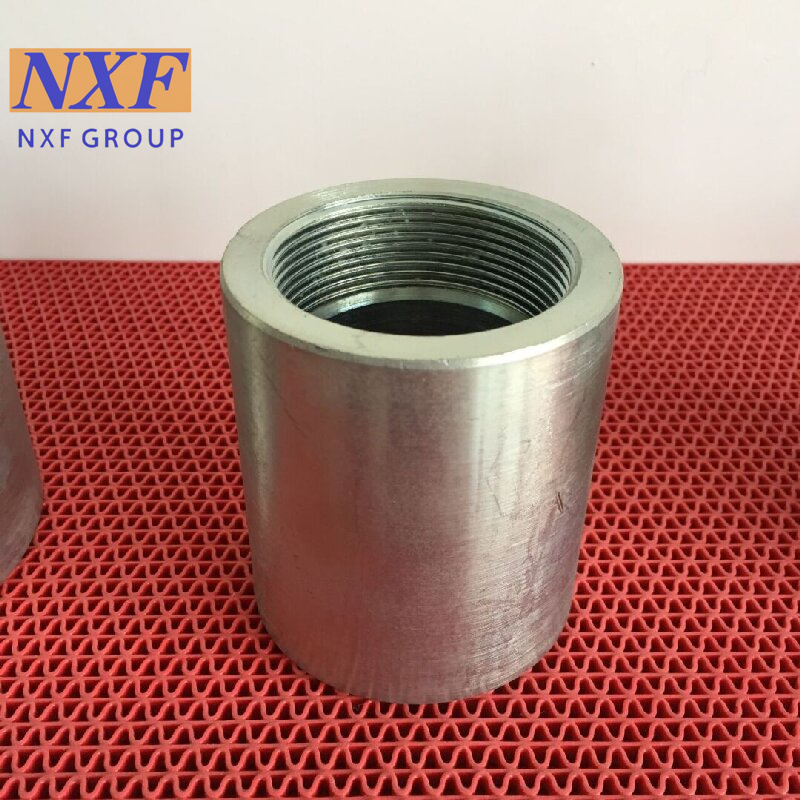
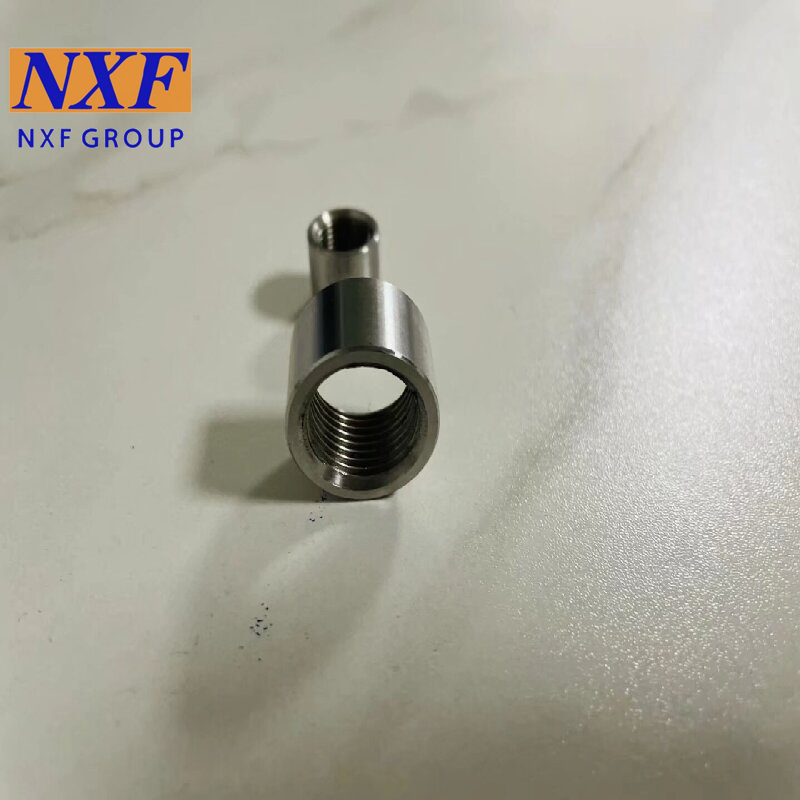
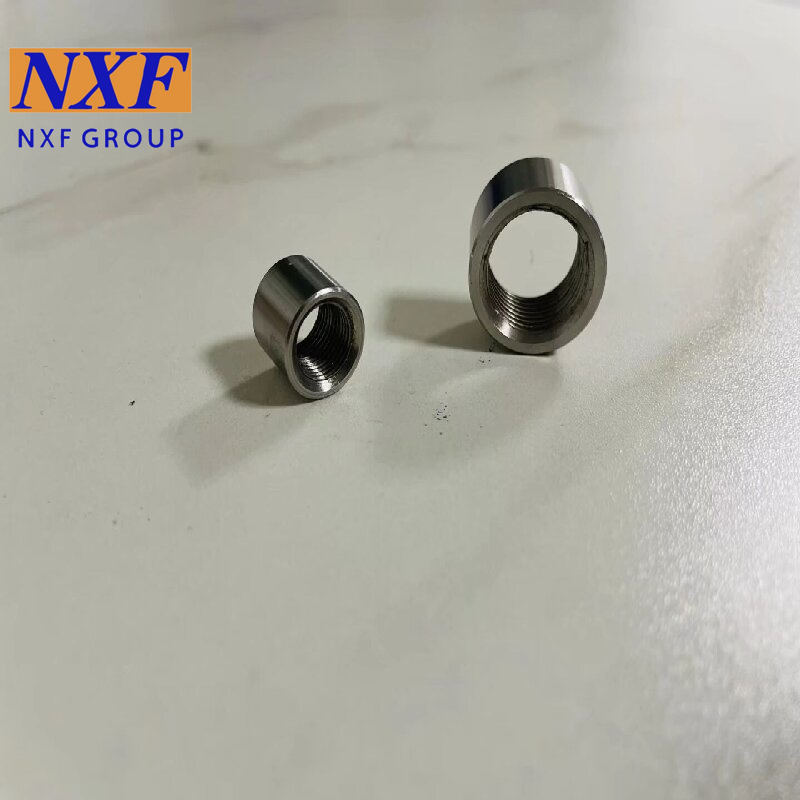
NXF UNS NO7718/2.4668/NiCr19NbMo/alloy 718 DN6-1200 Class3000-9000 Nickel Alloy Forged Fitting Threaded Coupling
Alloy 718 Introduction
Inconel 718 is a nickel-based super alloy that is well suited for applications requiring high strength in temperature ranges from cryogenic up to 1400°F. Inconel 718 also exhibits excellent tensile and impact strength.
Threaded Coupling Introduction
A threaded Coupling is a short pipe component or mechanical connector featuring internal or external threads, designed to securely join two pipes, tubes, or assemblies.
Key Features and Design—Threaded Connection Mechanism: Components are joined by rotating and tightening the threaded interface, eliminating the need for complex welding processes.
Leakproof Seal: Creates a robust mechanical connection, typically used in conjunction with thread sealant or sealing tape to ensure a tight seal against fluids or gases.
Ease of Maintenance: Facilitates rapid system assembly, disassembly, and repair using standard wrenches.
Common TypesFull Coupling: Features internal threads at both ends; used to connect two externally threaded pipes in a straight line.
Reducing Coupling: Used to connect pipes or fittings of different diameters.Key Applications—Piping and Pipeline Systems: Used in water, gas, and HVAC systems to extend small-diameter pipelines or provide terminal connections.
Industrial Hydraulic Systems: Used in manufacturing and agricultural equipment to securely connect high-pressure fluid lines.
Electronics and RF Fields: Used in threaded coaxial connectors (such as SMA or Type N) to establish stable RF connections.



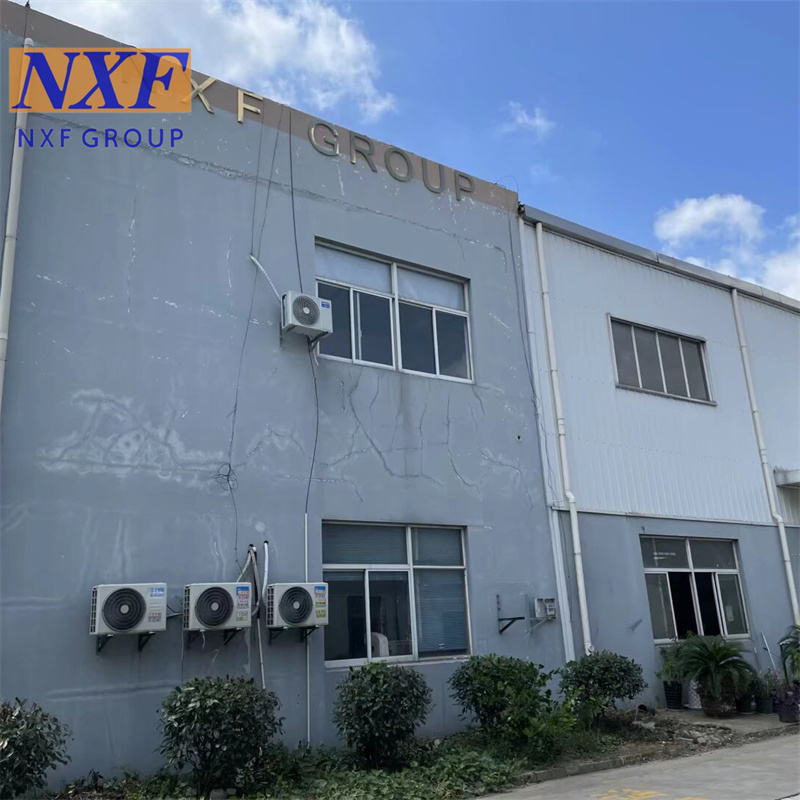
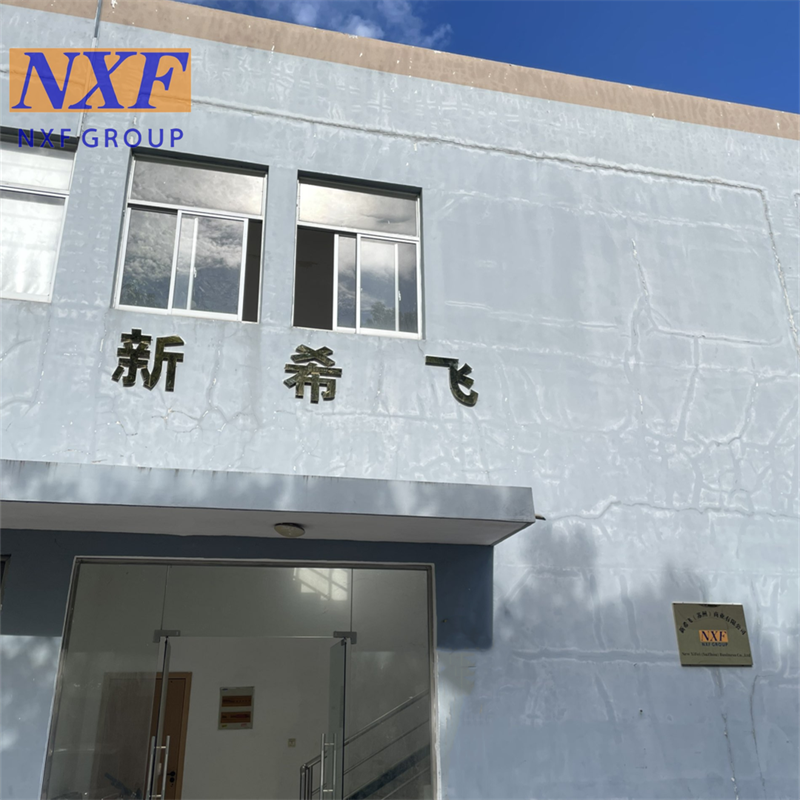
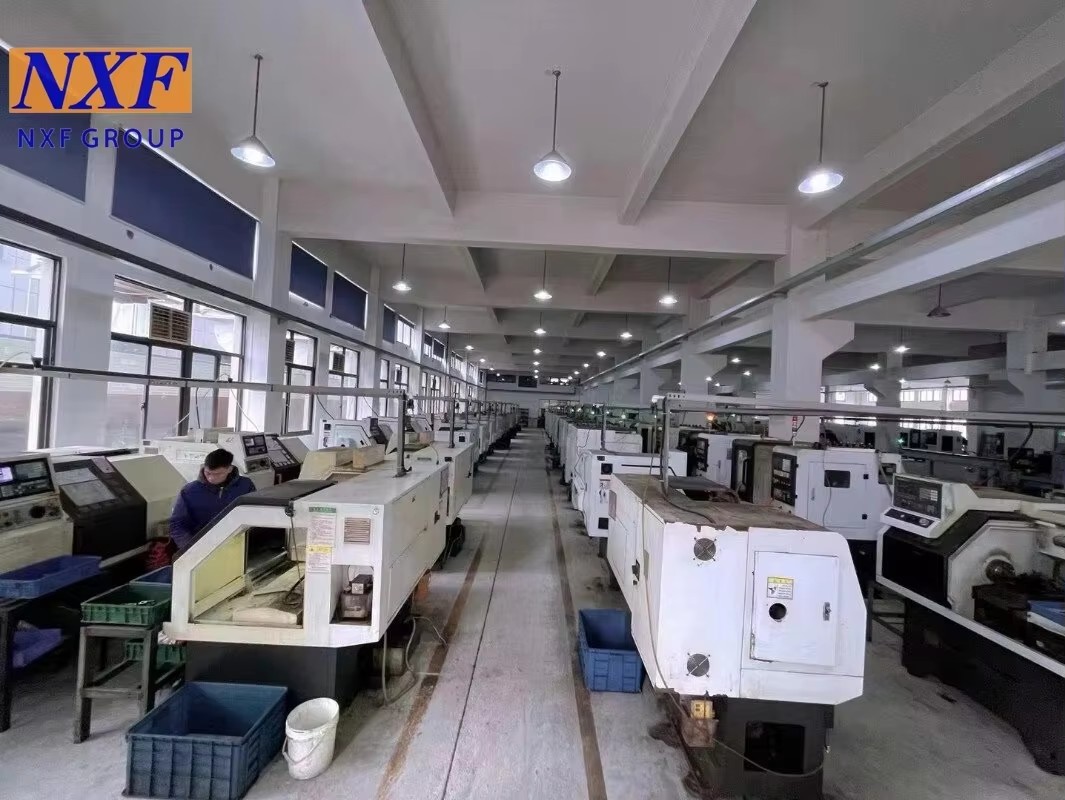

Customer visit to the factory video
718 Threaded Coupling Produce Processing
Threaded Coupling (Full Coupling)
1.Production Process:Complete Process Flow (Forged type, ASME B16.11)
2.Raw Material Cutting:Round steel bars are cut to length to obtain billets.
3.Forging:Billets are heated and forged into cylindrical blanks; this compacts the internal metal structure and enhances strength.
4.Heat Treatment (As required):Annealing / Normalizing to relieve forging stresses.
5.Rough Machining:Turning the outer diameter and end faces; drilling the inner bore.
6.Thread Machining (Core Process):Cutting internal threads (NPT / BSPP / BSPT) at both ends.
7.Deburring:Removing burrs from thread openings and end faces.
8.Inspection:Dimensional checks, thread gauge (Go/No-Go) testing, and visual inspection; non-destructive testing (NDT) available for high-pressure components.
9.Surface Treatment:Carbon steel: Galvanizing / Black oxide coating; Stainless steel: Pickling and passivation.
10.Marking:Stamping material, specifications, pressure rating, and standard number.
11.Packing
Our NXF GROUP advantage as follow
4.Our NXF GROUP have excellent qualitycertificate system and trademark certificate
5.Our NXF GROUP have a comprehensive after-sales service guarantee, such as the transaction guarantee provided by Alibaba International Station, as well as remote technical guidance and services.
6.Our NXF GROUP have a well-established logistics support system that can save you both time and money, providing you with a one-stop service.


includemetals,machinery, containers, construction materials, mechanical products, electrical systems, and medical
accessories.Establishedin1980, XIFEI has been working diligently ever since to embrace the needs of our global customer base.We work to ensure absolutecustomer satisfaction. Our team has dedicated itself to perfecting our three core components, "Service, Management andCraftsmanship." Our advantage:3S Service(Small Quantity/Short Time/Special Material).


We are based in Jiangsu, China, start from 2021,sell to South Asia(30.00%),South America(10.00%),Eastern Europe(10.00%),Mid East(10.00%),Eastern Asia(10.00%),Southeast Asia(5.00%),Africa(5.00%),Central America(5.00%),Northern Europe(5.00%),North America(5.00%),Domestic Market(5.00%). There are total about 101-200 people in our office.
2. how can we guarantee quality?
Always a pre-production sample before mass production;
Always final Inspection before shipment;
3.what can you buy from us?
Pipe,Flange,Steel plate,Pipe fittings,Alloy products
4. why should you buy from us not from other suppliers?
Our advantage:3S Service (Small Quantity/Short Time/Special Material) We have our own factories, quality can be controlled seriously.We Specialize in manufacturing about 21 years.We have professional testing department and testing equipment.
5. what services can we provide?
Accepted Delivery Terms: FOB,CFR,CIF,EXW,FCA,DDP,DDU;
Accepted Payment Currency:USD,EUR,CAD,HKD,CNY;
Accepted Payment Type: T/T,L/C,D/P D/A,Credit Card,PayPal;
Language Spoken:English,Chinese,Spanish,Russian