

Phone/Whatsapp:+8613917160311
Email: info@nxf-group.com
Email: Andrew@nxf-group.com
Email: Alice@nxf-group.com


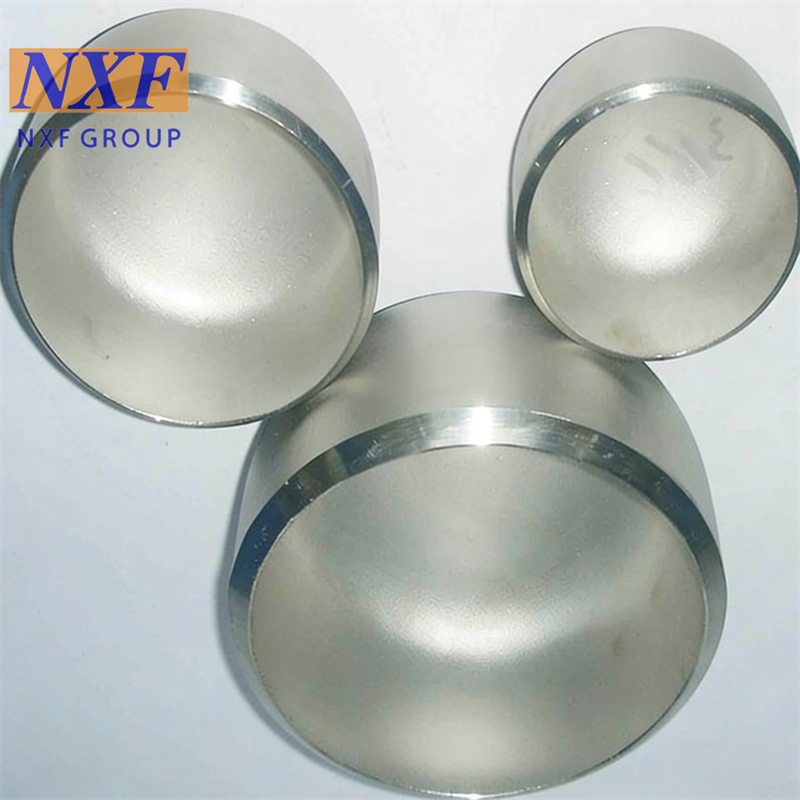
NXF UNS S20910 XM-19 OD DN15-1200 Thickness SCH10-XXS Special Stainless Steel Butt Welding Pipe Fitting End Cap
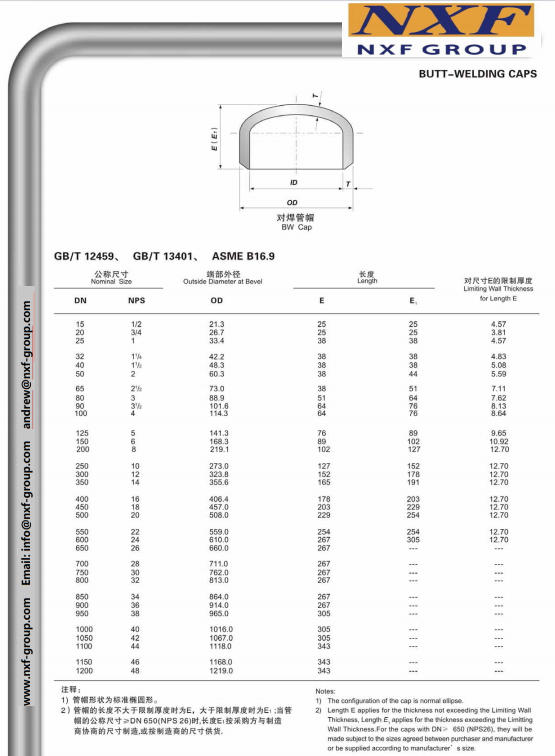
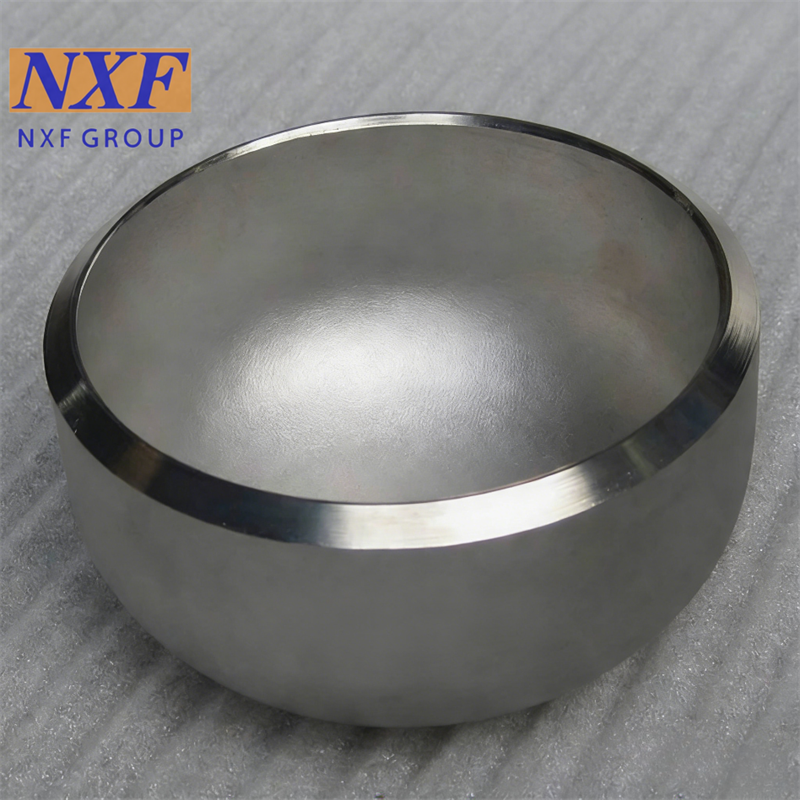
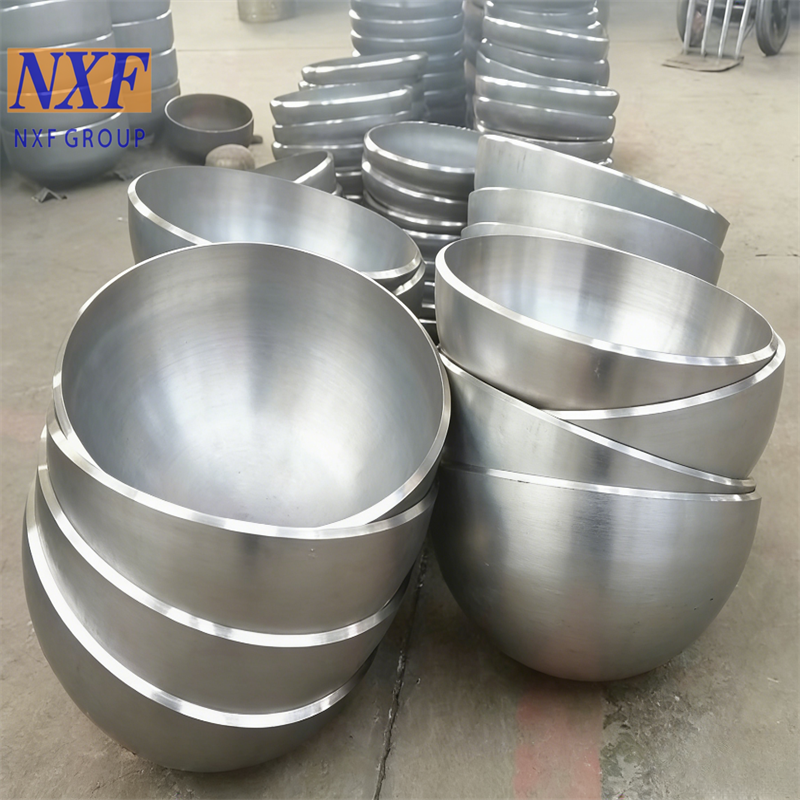
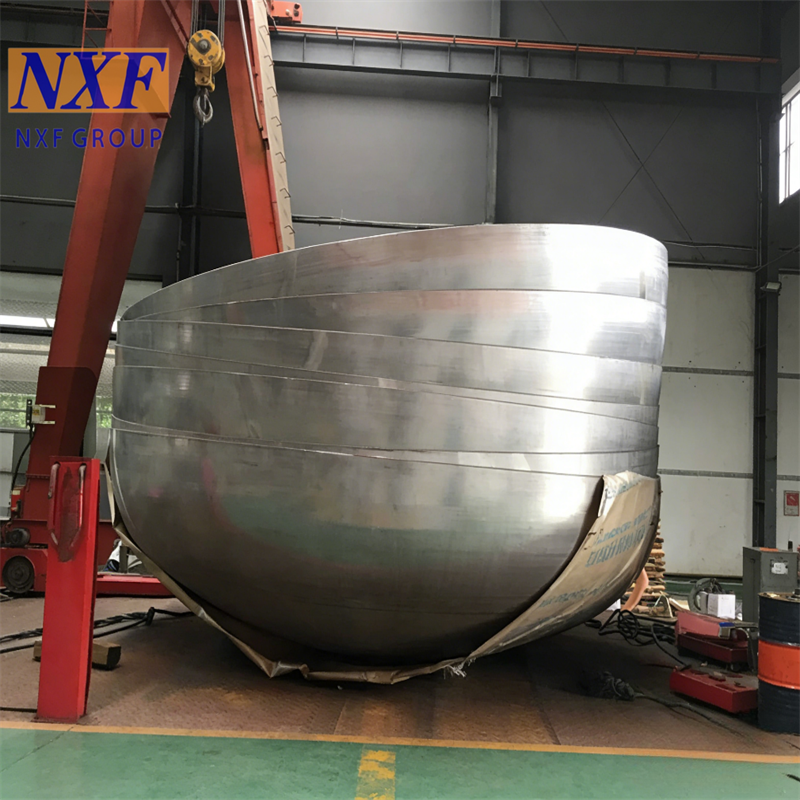
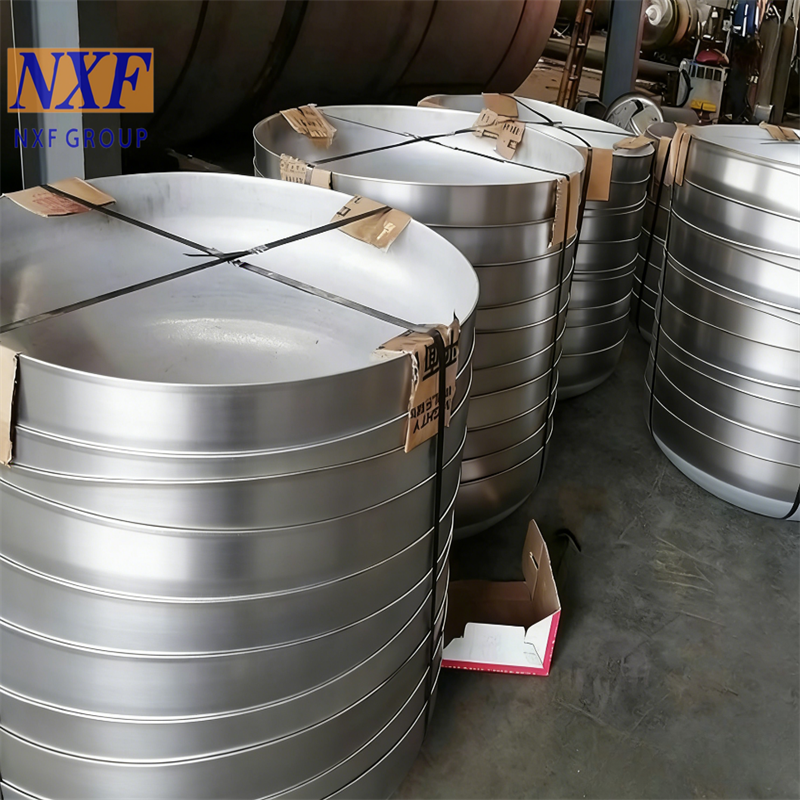
A weld neck cap is a pipe fitting welded to the end of a steel pipe to seal it. It is also called a pipe cap, end cap, plug, or pipe cover.Common aliases for butt-welded pipe caps include pipe cap, end cap, plug, cover, pipe cover, and smother.
Weld neck caps come in various shapes, including convex, conical, and flat. Convex caps are further divided into hemispherical, elliptical, dished, and spherical shapes. They are fixed by welding to ensure a tight seal in the pipeline and are widely used in petrochemical, nuclear power, machinery, medical equipment, shipbuilding, and pipeline industries.
UNS S20910 XM-19 stainless steel Introduction
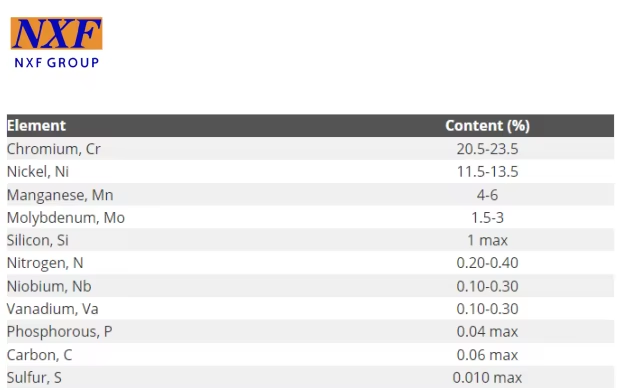
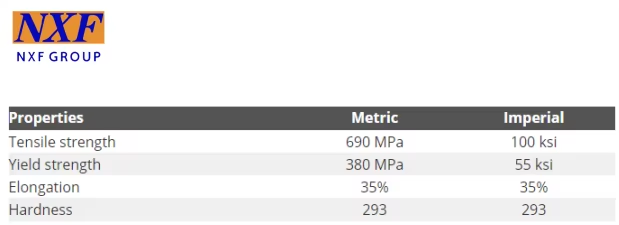
UNS S20910 XM19 stainless steel is an austenitic stainless steel with a blend of strength and corrosion resistance that is higher than stainless steel grades 316, 316/316L, 317, and 317/317L .
Machinability
Stainless steel grade UNS S20910 XM19 has machinability characteristics that are similar to other austenitic stainless
steels;however it requires slower speeds, more power, and higher rigidity due to its high work hardening rate. It is recommended that coated carbide tooling be used.
Forming
Stainless steel grade UNS S20910 XM19 can be formed using the same methods applied for other austenitic stainless steels. More power for forming and forging is needed for this alloy. Forging can be done at 1177-1204°C (2150-2200°F).
Welding
Welding of stainless steel grade UNS S20910 XM19 can be performed using traditional joining processes. Recommended filler metal should be UNS S20910 XM-19 (AWS E/ER209).
Caution should be taken while using autogenous, high power density joining processes such as EB or laser welding, due to low FN potential and severe outgassing possibility.
Heat Treatment
Final annealing process performed for several of the applications, is done at 1065°C (1950°F), which is followed by water quenching. In case this material is used in a strongly corrosive environment, annealing should be done at 1121°C (2050°F). This alloy cannot be hardened by heat treatment.
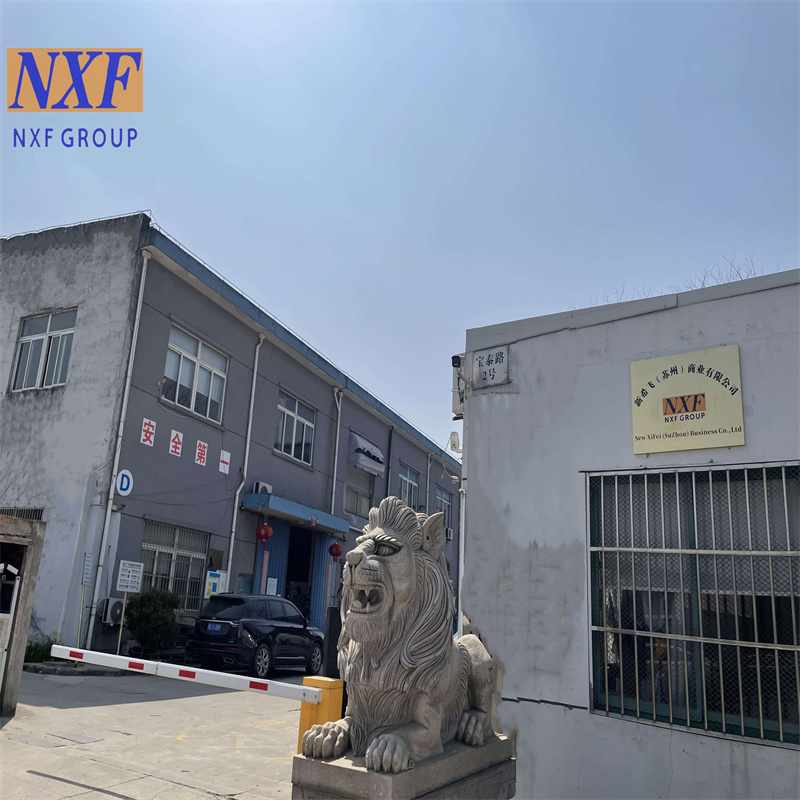
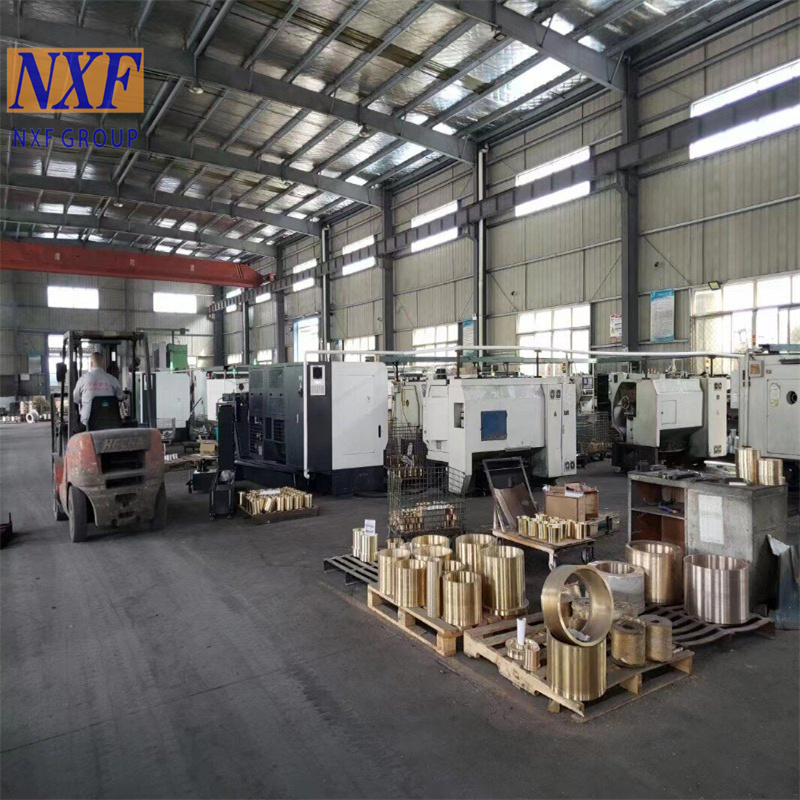
2. We can strictly control the quality. We have production, quality inspection, warehousing and other departments to coordinate and control the quality.
3. Our biggest advantage is 3S service. Small quantity, short time, special materials.
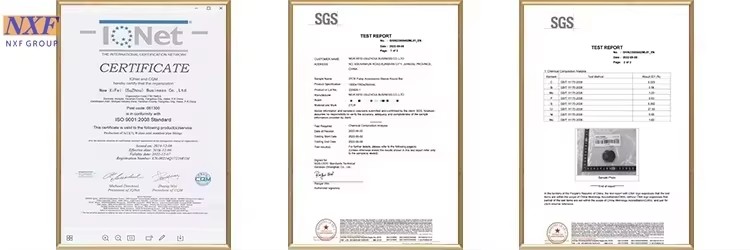
4.We have excellent quality certificate system and trademark certificate
1. Raw Material Inspection: Select steel plates/bills conforming to standards such as GB/T 12459 and ASME B16.9. Verify material certificates, chemical composition, and mechanical properties. Inspect the surface for defects such as cracks, delamination, and rust.
2. Cutting: Mark lines according to drawings. Use plasma cutting, flame cutting, or shearing to cut the material, removing burrs, oxide scale, and spatter from the cut edges.
3. Billet Heating: Heat carbon steel and alloy steel billets in the furnace to forging temperature. For stainless steel, control the temperature as needed, strictly controlling the heating rate and holding time to prevent overheating.
4. Pressing and Forming: The heated blank is placed into a special mold and formed by hot/cold pressing using a hydraulic press, ensuring uniform curvature and wall thickness of the tube cap, free from wrinkles, cracks, and thinness.
5. Shaping and Trimming: The formed blank is shaped and corrected, and excess material is trimmed from the tube ends to ensure that the overall dimensions, height, and end roundness meet the standards.
6. Heat Treatment: Depending on the material, normalizing, annealing, solution treatment, or tempering is performed to eliminate residual forming stress, refine grains, and improve mechanical properties.
7. Beveling Machining: The pipe end beveling is machined according to welding requirements (commonly V-type/U-type). The beveling angle, blunt edge dimensions, and perpendicularity to the end face are controlled to meet welding assembly requirements.
8. Surface Treatment: Carbon steel undergoes sandblasting to remove rust; stainless steel undergoes pickling and passivation to remove oxide scale, oil, and weld slag, improving surface smoothness and corrosion resistance.
9. Non-destructive Testing: Ultrasonic testing (UT), penetrant testing (PT), and magnetic particle testing (MT) are used to inspect internal and surface defects. Only after passing these tests can the next process begin.
10. Conduct a full inspection of the finished product: verifying the outer diameter, wall thickness, height, and bevel dimensions. Check the appearance, hardness, and surface quality. If all aspects meet the standards, the product is considered (qualified).
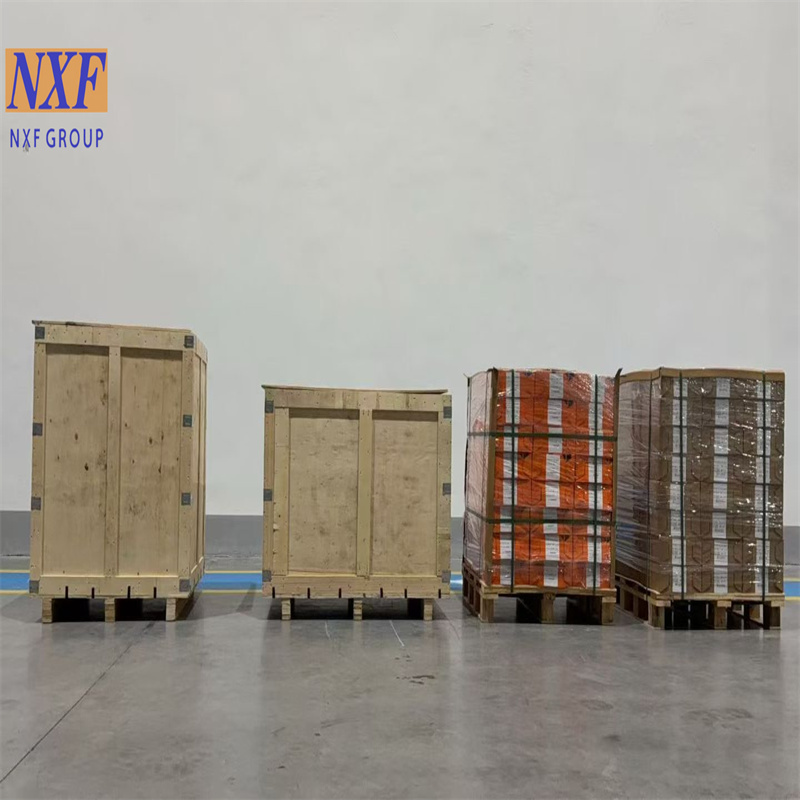
11. Label and mark the material: specifications, applicable standards, and furnace batch number before warehousing. Ensure proper protective packaging and register the product upon entry into the warehouse.



Established in 1980, XIFEI has been working diligently ever since to embrace the needs of our global customer base.We work to ensure absolute customer satisfaction. Our team has dedicated itself to perfecting our three core components, "Service, Management and Craftsmanship."
Our advantage as follow:
1.We have our own factory, and we can control the cost by producing by ourselves. We have a great advantage in price and can give
you the lowest price.
2. We can strictly control the quality. We have production, quality inspection, warehousing and other departments to coordinate
and control the quality.
3. Our biggest advantage is 3S service. Small quantity, short time, special materials.
PET Bottle Making Machine is suitable for producing PET plastic containers and bottles in all shapes.

1. who are we? We are based in Jiangsu, China, start from 2021,sell to South Asia(30.00%),Eastern Asia(10.00%),Mid
East(10.00%),Eastern Europe(10.00%),South America(10.00%),Domestic Market(5.00%),North America(5.00%),Northern
Europe(5.00%),Central America(5.00%),Africa(5.00%),Southeast Asia(5.00%). There are total about 101-200 people in our office.
2.how can we guarantee quality?
Always a pre-production sample before mass production;
Always final Inspection before shipment;
3.what can you buy from us?
Pipe,Flange,Steel plate,Pipe fittings,Alloy products
4. why should you buy from us not from other suppliers?
Our advantage:3S Service (Small Quantity/Short Time/Special Material)
We have our own factories, quality can be controlled seriously.
We Specialize in manufacturing about 21 years.
We have professional testing department and testing equipment.
5. what services can we provide?
Accepted Delivery Terms: FOB,CFR,CIF,EXW,FCA,DDP,DDU;
Accepted Payment Currency:USD,EUR,CAD,HKD,CNY;
Accepted Payment Type: T/T,L/C,D/P D/A,Credit Card,PayPal;
LanguageSpoken:English,Chinese,Spanish,Russian


total 0 Sheet,Only 5 images can be uploaded, each less than 5m.