

Phone/Whatsapp:+8613917160311
Email: info@nxf-group.com
Email: Andrew@nxf-group.com
Email: Alice@nxf-group.com
NXF UNS S30400 ASTM 304/JIS 304/EN 1.4301 DN6-1200 Class3000-9000 Stainless Steael 304 Forged Fitting Threaded Hexagonal Nipple
Stainless Steael 304Introduction
Its main limitation is susceptibility to chloride-induced pitting and crevice corrosion, so it is not recommended for marine,
coastal, or high-salt service — for those environments.
Threaded Hexagonal Nipple Introduction
1. Product Overview:
Threaded hexagonal nipple is a common pipe connection fitting with hexagonal middle body and double end external threads. It is widely used to connect two female threaded pipes or valves, realizing quick and stable pipeline transition and connection. It is available in full sizes and standard thread types to fit various piping systems.
2. Premium Material:
This nipple is made of high-quality Stainless Steel 304 material. The raw materials pass strict spectrometer testing to ensure stable chemical composition, excellent rust resistance, acid and alkali resistance. The material guarantees long service life even in humid, chemical and marine working environments.
3. Structural Features:
Designed with a hexagonal middle section, the nipple allows easy clamping and tightening with tools during installation, effectively preventing slipping. The double-end threads are precisely machined with uniform tooth shape, tight fit and good sealing performance. Smooth inner hole reduces fluid resistance and medium accumulation.
4. Manufacturing Technology:
Adopting integrated forging and precision CNC machining process, the product features dense structure, no porosity and no crack. Strict thread standard control ensures interchangeability and installation accuracy. The surface is polished and deburred for smooth and beautiful appearance.
5. Product Performance:
Stainless steel hexagonal nipple owns high pressure resistance, high temperature resistance and excellent mechanical stability. It maintains stable sealing effect under long-term fluid impact and pressure fluctuation, effectively avoiding leakage and improving pipeline safety.
6. Wide Application:
It is widely applied in plumbing, gas, chemical, petroleum, pharmaceutical, food and industrial equipment piping systems. Suitable for indoor, outdoor and coastal anti-corrosion pipeline projects, it is an essential fitting for threaded connection pipelines.


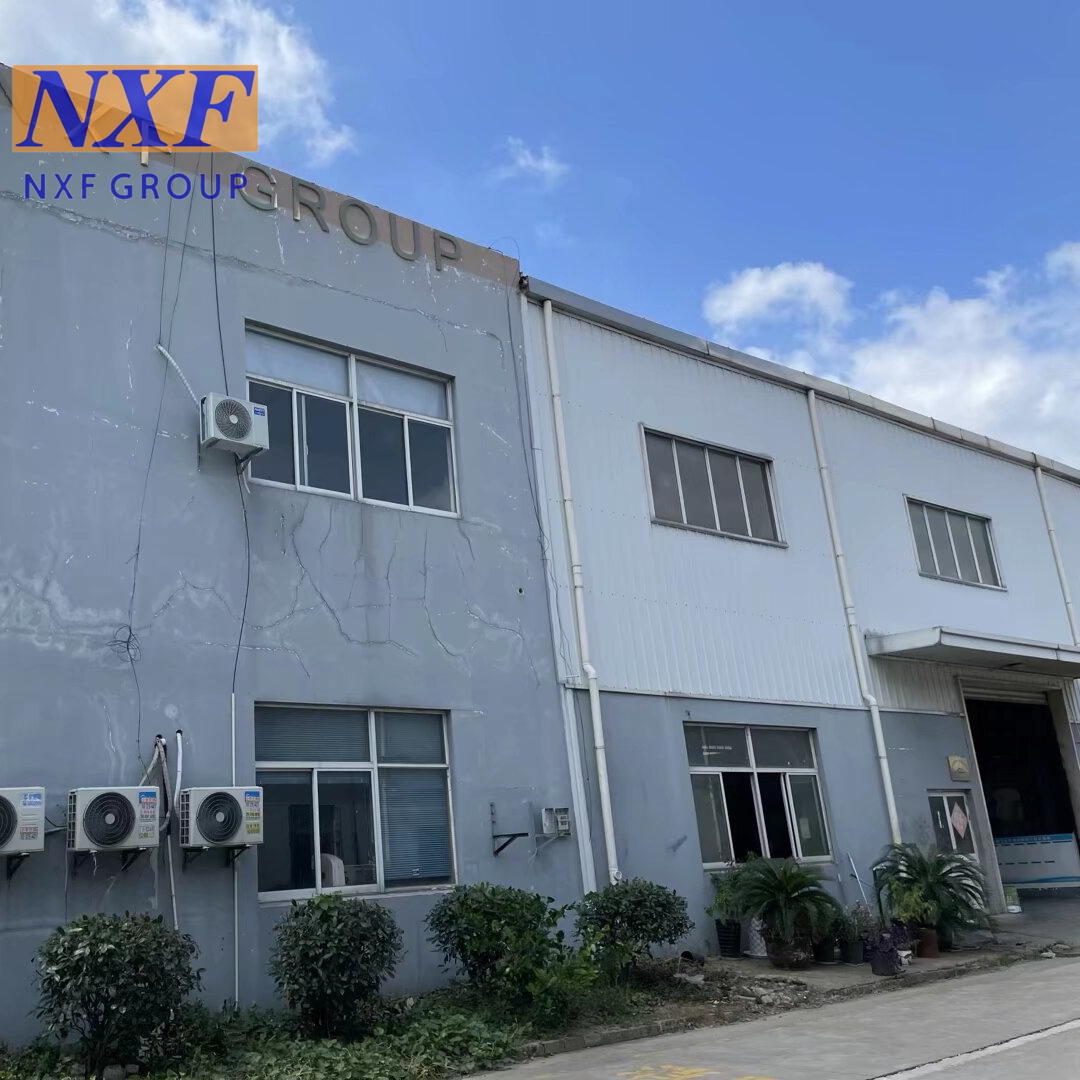
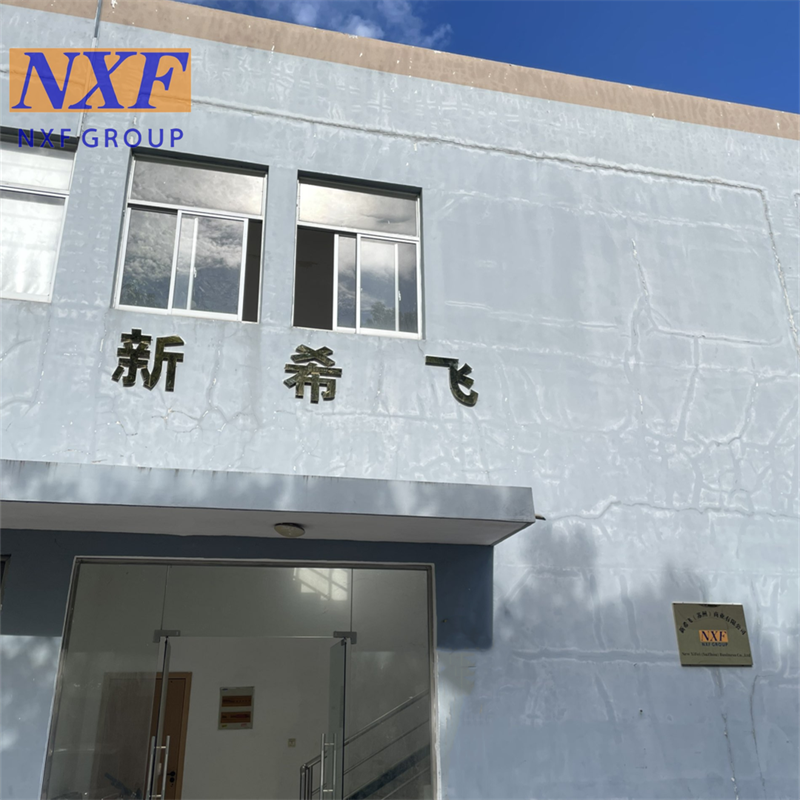
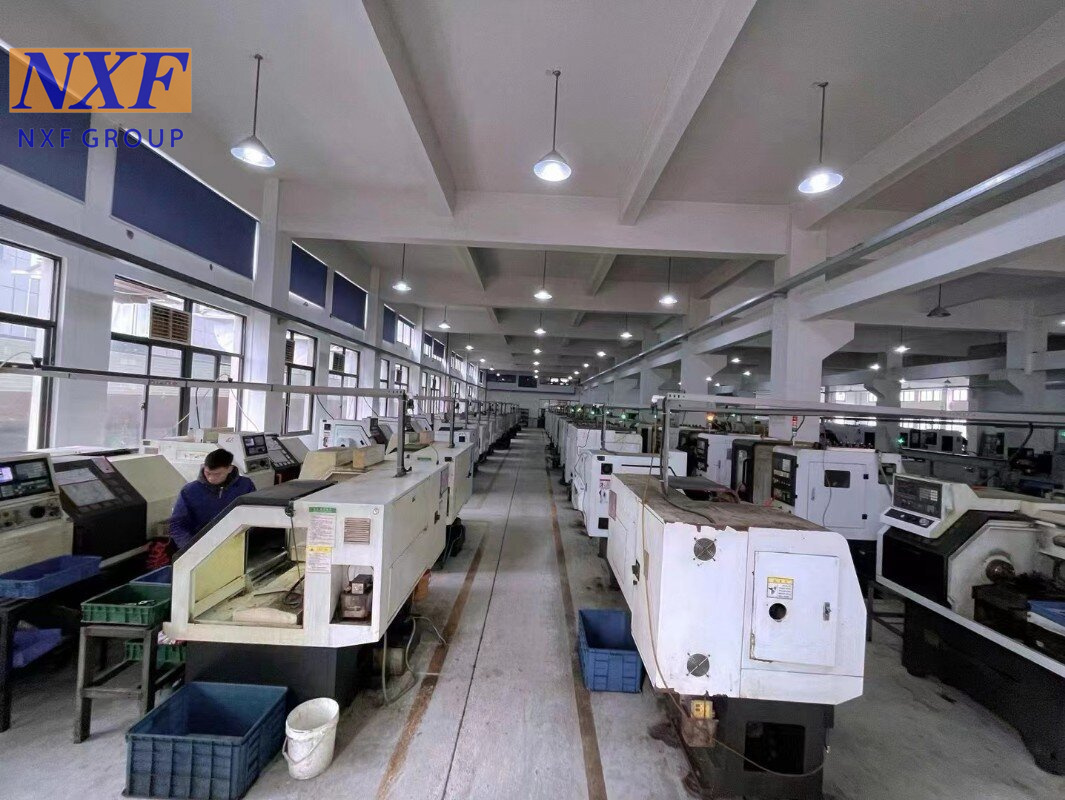

Customer visit to the factory video
Stainless Steael 304 Threaded Hexagonal Nipple Produce Processing
1. Product Overview
A stainless steel 304 threaded hexagonal nipple is a pipe fitting with male threads on both ends and a hexagonal middle section. It is used to connect two threaded components — pipes, valves, instruments, or equipment — and the hex flats make it easy to tighten with a standard wrench. Common sizes range from 1/8" to 4" (DN6 to DN100), and the fitting is typically specified for water, steam, oil, and food or beverage service where 304's corrosion resistance is sufficient.
2. Material Properties — Stainless Steel 304
Grade 304 (AISI 304 / EN 1.4301 / 06Cr19Ni10) is the most widely used austenitic stainless steel, often called "18/8" for its nominal composition of 18% chromium and 8% nickel. It delivers a strong balance of corrosion resistance, formability, and weldability, and is essentially non magnetic in the annealed condition. 304 resists corrosion well in atmospheric, fresh-water, and mildly chemical environments, but it is vulnerable to chloride-induced pitting — so it is not recommended for marine, coastal, or high-salt service, where 316 should be used instead. Mechanically, 304 offers tensile strength of at least 515 MPa and yield strength of at least 205 MPa, with hardness held to HB ≤ 187.
3. Raw Material Preparation
Production starts with selecting 304 stainless steel round bar in diameters typically between Φ10 mm and Φ110 mm, sized to the fitting. Each batch is checked against its Mill Test Certificate to confirm chemical composition and mechanical properties. The bar is then saw-cut to blank length with a 2 to 3 mm machining allowance on each side. Finally, blanks are surface-cleaned by pickling or shot-blasting to remove oxide scale, oil, and other contaminants.
4. Manufacturing Process
The blank is first heated to 1100–1200 °C in a medium-frequency furnace and upset-formed into the hexagonal middle section, which improves grain flow and mechanical strength. The part is then solution-treated at approximately 1050 °C and quenched to relieve forging stress and restore corrosion resistance. After that, a CNC lathe machines the outer diameter, end faces, and chamfers to drawing tolerance, and a milling machine or CNC center cuts the hex flats to the specified across-flats dimension. Threads are then cut or rolled on both ends — the most critical operation, where thread profile, pitch, and taper must be held precisely. Finally, the part is deburred by hand or vibratory finishing to remove thread burrs and protect sealing surfaces.
5. Surface Treatment & Quality Inspection
After machining, the fitting is pickled in a nitric-hydrofluoric acid bath to remove surface contamination and form a dense chromium-oxide passive film that restores full corrosion resistance. Threads are then coated with food-grade silicone oil or a rust-preventive film for storage. Every fitting undergoes100% inspection: chemical composition is verified by portable spectrometer (PMI), mechanical properties are batch-tested for tensile ≥ 515 MPa and yield ≥ 205 MPa, hardness is held to HB ≤ 187, threads are checked with Go / No-Go ring gauges, and every piece passes a hydrostatic test at 1.5× working pressure held for 30 seconds with no leakage allowed.
6. Packaging & Applications
Each piece is sealed in a PE bag or bubble wrap, with plastic thread protectors fitted on both ends. Pieces are packed into cartons and consolidated onto pallets, accompanied by the Mill Test Certificate, Certificate of Conformity, and packing list. Export packaging follows ISPM 15 fumigation rules. Stainless steel 304 threaded hexagonal nipples are widely used in food and beverage processing lines, dairy equipment, brewery and winery piping, water treatment and HVAC systems, chemical containers, architectural and sanitary plumbing, and general industrial machinery — anywhere a reliable threaded pipe connection is needed and chloride exposure is limited.
Our NXF GROUP advantage as follow
3.Our NXF GROUP biggest advantage is 3S service. Small quantity, short time, special materials.
4.Our NXF GROUP have excellent qualitycertificate system and trademark certificate
5.Our NXF GROUP have a comprehensive after-sales service guarantee, such as the transaction guarantee provided by Alibaba International Station, as well as remote technical guidance and services.
6.Our NXF GROUP have a well-established logistics support system that can save you both time and money, providing you with a one-stop service.


includemetals,machinery, containers, construction materials, mechanical products, electrical systems, and medical
accessories.Establishedin1980, XIFEI has been working diligently ever since to embrace the needs of our global customer base.We work to ensure absolutecustomer satisfaction. Our team has dedicated itself to perfecting our three core components, "Service, Management andCraftsmanship." Our advantage:3S Service(Small Quantity/Short Time/Special Material).


We are based in Jiangsu, China, start from 2021,sell to South Asia(30.00%),South America(10.00%),Eastern Europe(10.00%),Mid East(10.00%),Eastern Asia(10.00%),Southeast Asia(5.00%),Africa(5.00%),Central America(5.00%),Northern Europe(5.00%),North America(5.00%),Domestic Market(5.00%). There are total about 101-200 people in our office.
2. how can we guarantee quality?
Always a pre-production sample before mass production;
Always final Inspection before shipment;
3.what can you buy from us?
Pipe,Flange,Steel plate,Pipe fittings,Alloy products
4. why should you buy from us not from other suppliers?
2.Our NXF GROUP can strictly control the quality. We have production,quality inspection, warehousing and other departments to coordinate and control the quality,Such as PMI and size testing.
3.Our NXF GROUP biggest advantage is 3S service. Small quantity, short time, special materials.
4.Our NXF GROUP have excellent qualitycertificate system and trademark certificate
5.Our NXF GROUP have a comprehensive after-sales service guarantee, such as the transaction guarantee provided by AlibabaInternational Station, as well as remote technical guidance and services.
6.Our NXF GROUP have a well-established logistics support system that can save you both time and money, providing you with aone-stop service.
5. what services can we provide?
Accepted Delivery Terms: FOB,CFR,CIF,EXW,FCA,DDP,DDU;
Accepted Payment Currency:USD,EUR,CAD,HKD,CNY;
Accepted Payment Type: T/T,L/C,D/P D/A,Credit Card,PayPal;
Language Spoken:English,Chinese,Spanish,Russian