

Phone/Whatsapp:+8613917160311
Email: info@nxf-group.com
Email: Andrew@nxf-group.com
Email: Alice@nxf-group.com
NXF ASTM A36/DIN17100/EN10025-2/JIS G3101 OD DN15-1200 PN 1.6-100MPa Carbon Steel A36 Valve Electric Regulating Valve
A36 Introduction
Electric Regulating valve Introduction
The valve body is made of A36 carbon steel.
This material features good strength, plasticity and weldability with excellent machinability and economic cost. It is suitable for non-corrosive media such as water, air and common oil under normal temperature and low pressure conditions. A36 carbon steel is not applicable for heavy corrosion or severe high-temperature service, and is widely used in HVAC, water supply and drainage, utility lines and general oil transmission pipelines.
This valve delivers stable flow characteristic and quick regulating response. Linear or equal-percentage flow characteristics are optional. It can be supplied with flange or threaded ends, with metal or soft sealing structure to meet different leakage class requirements. Featuring compact structure and easy commissioning, it supports remote automatic control, widely adopted in HVAC, water treatment, plant utility systems and light industry automatic piping.


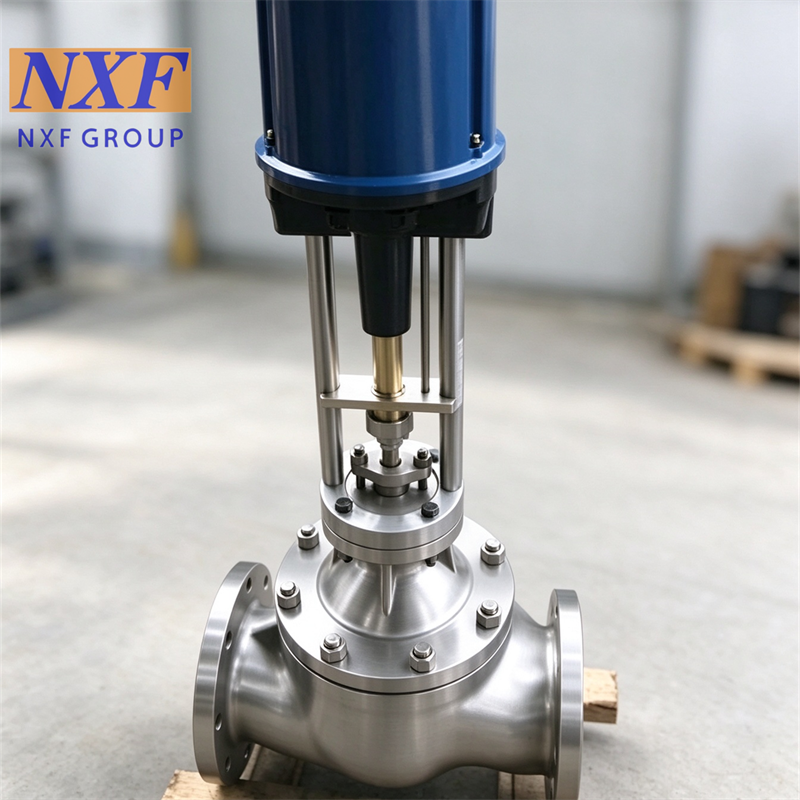
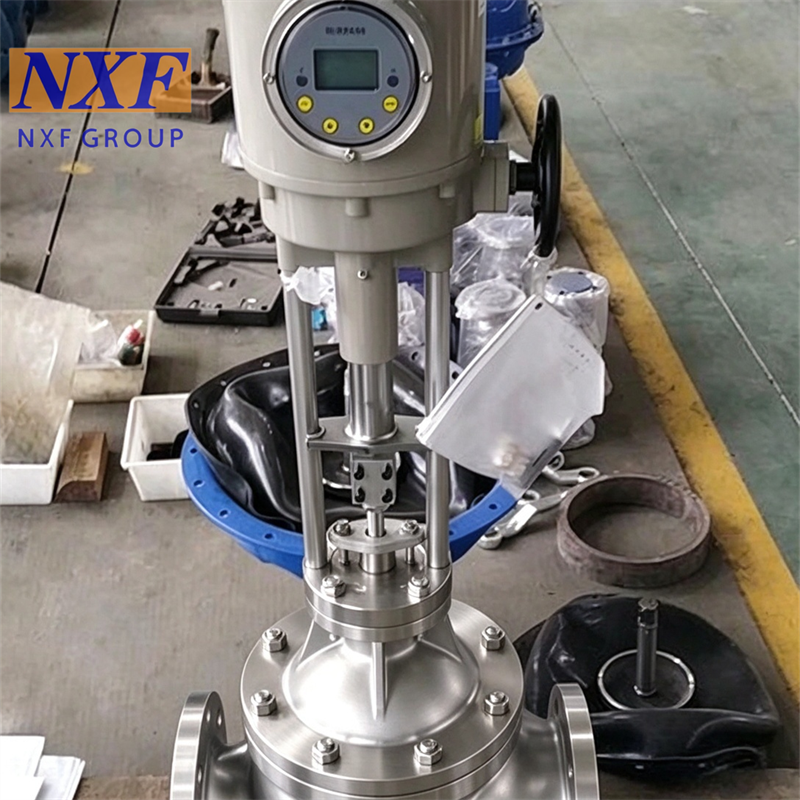
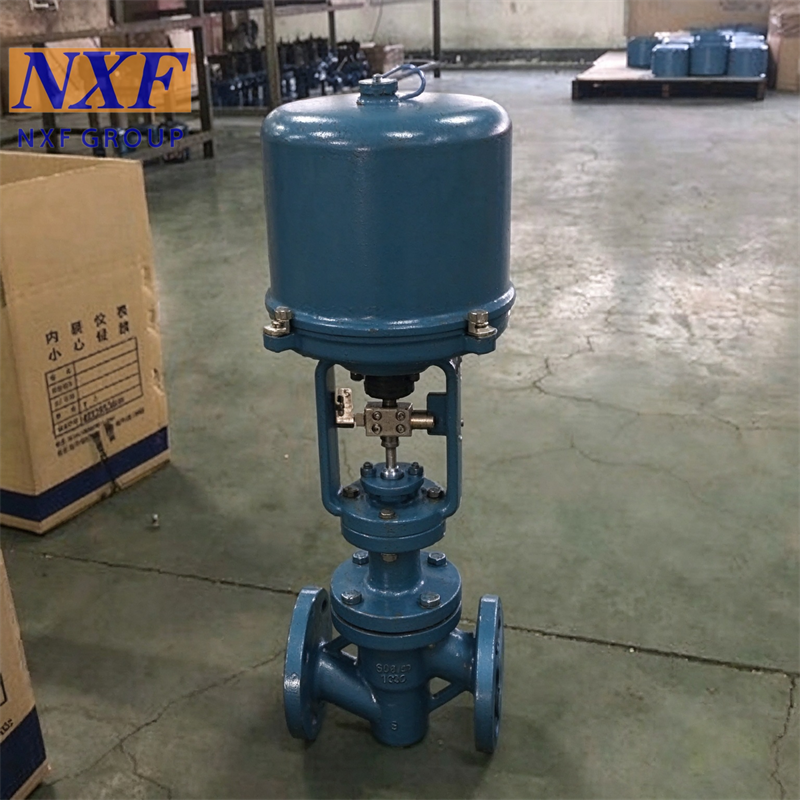
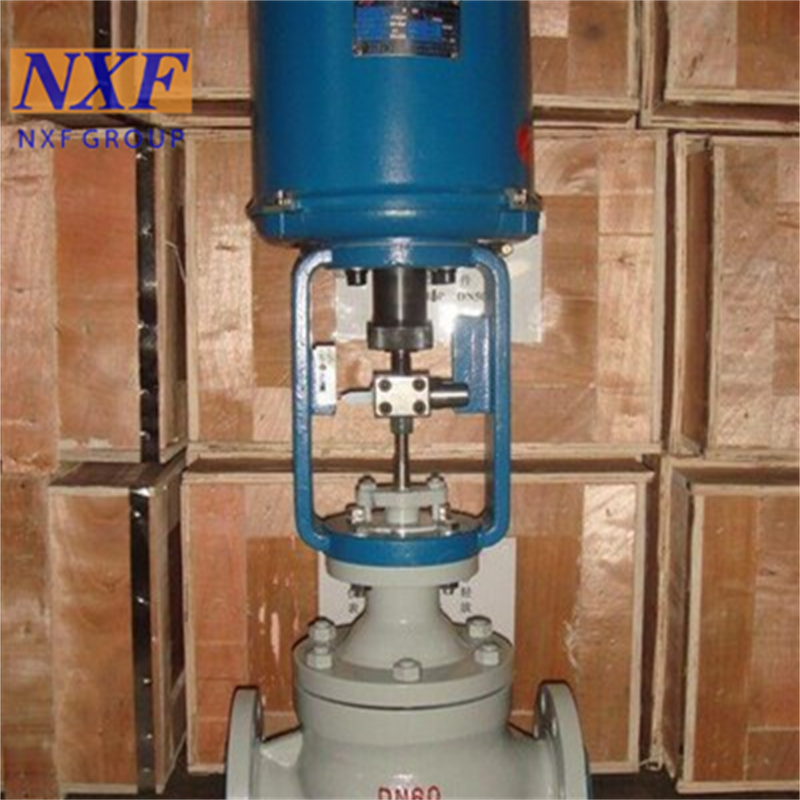
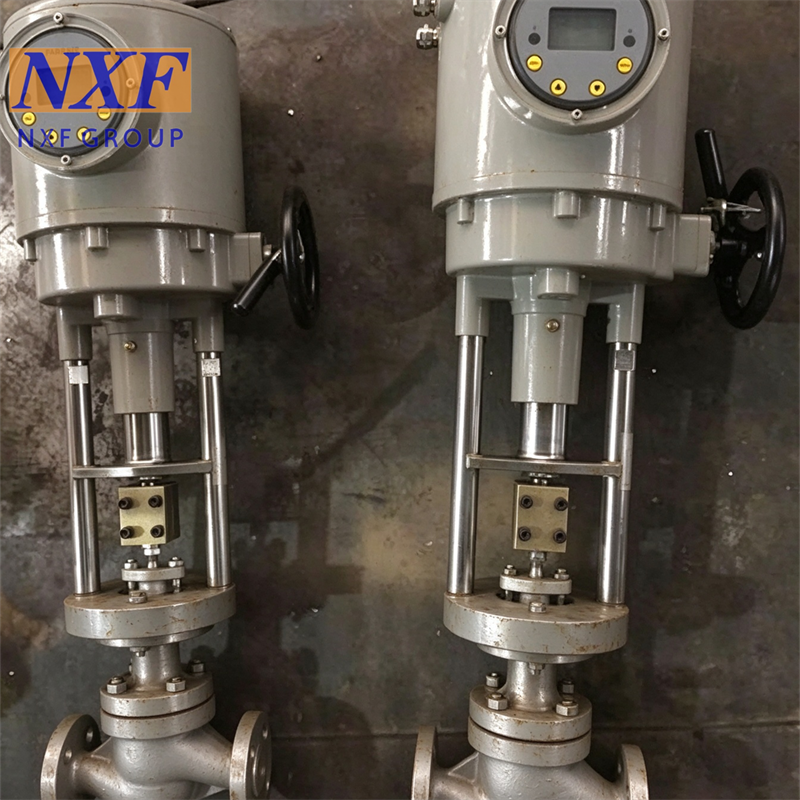
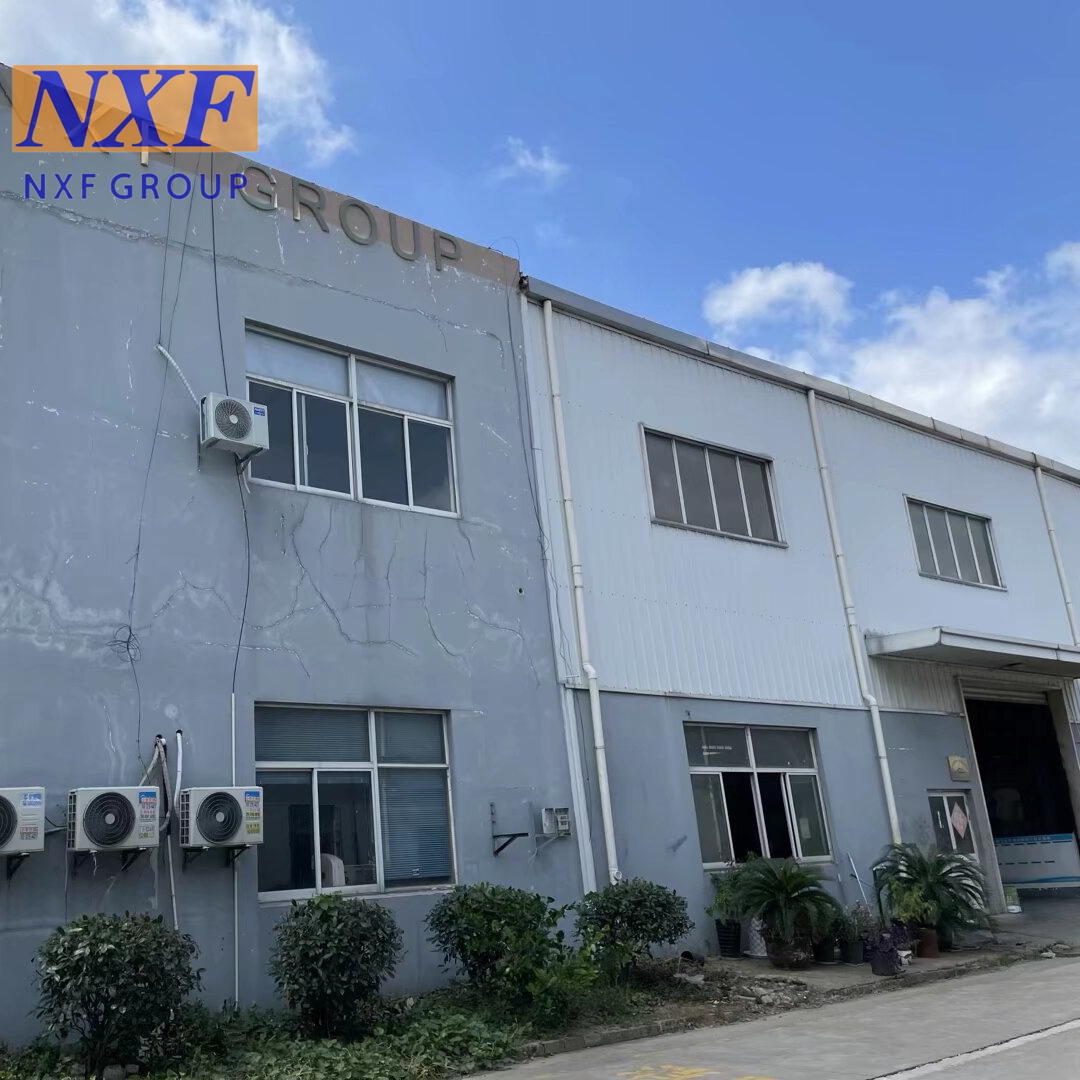
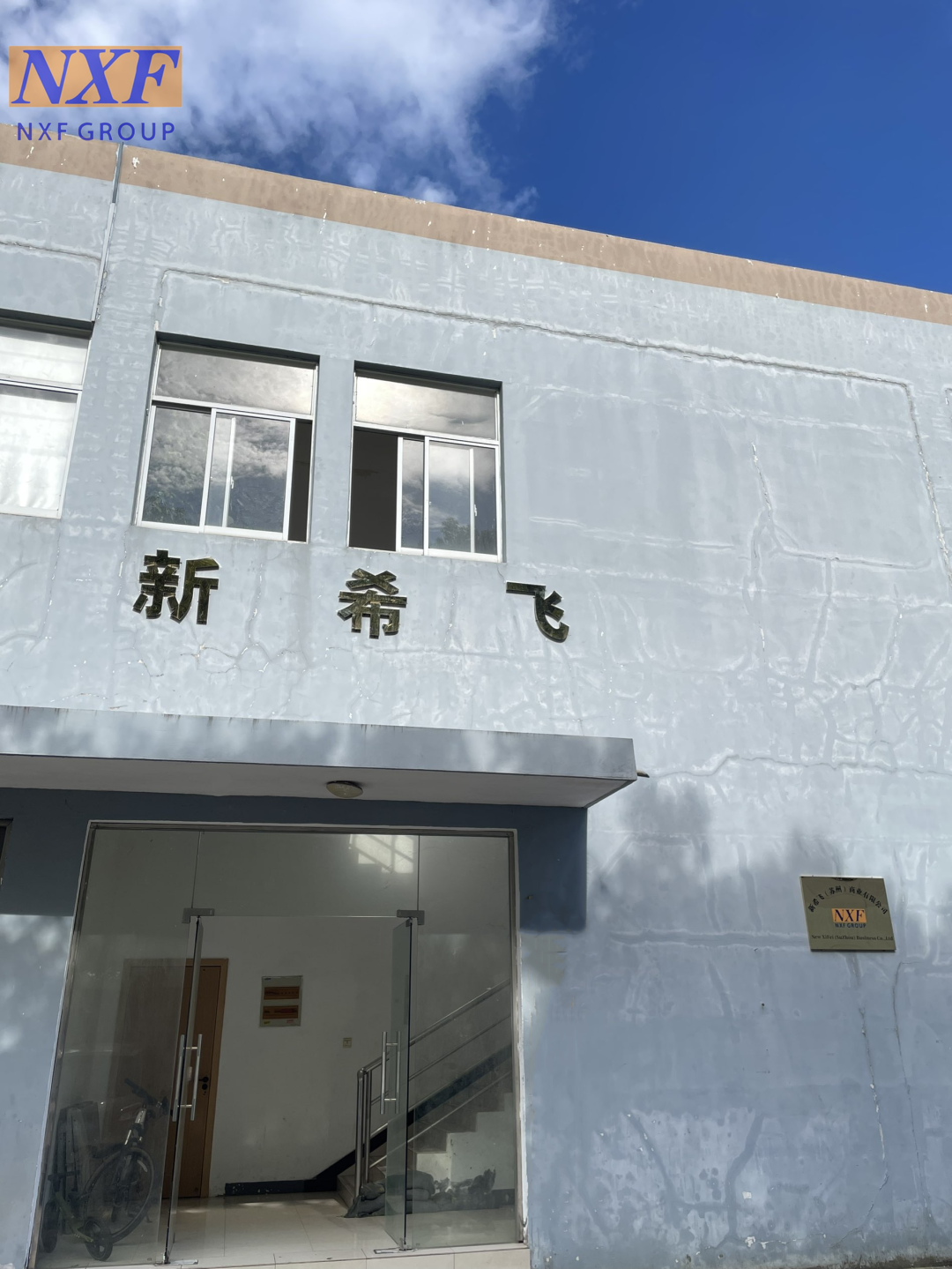


Electric Regulating valve Product Processing
1. Raw Material InspectionValve body raw material is A36 steel plate or forging. Verify material certificates, perform spectrum test and mechanical property check, mark heat numbers for traceability. Inspect plug, seat and actuator accessories together.
2. Cutting & Blank FormingCut A36 blanks per drawings, form valve body blanks by forging or rolled welding, remove burrs and scale, reserve machining allowance.
3. Welding (If Required)Weld body joints following A36 carbon steel WPS, remove welding slag after welding, and carry out NDT for critical welds as required.
4. Stress Relief Heat Treatment (If Required)Conduct stress relief treatment for welded bodies to eliminate welding residual stress.
5. Precision MachiningCNC machining of flow path, flange sealing face, stem hole and threads. Control flatness and tolerance of sealing surfaces; machine plug and seat trim simultaneously.
6. Parts Cleaning & Pre-assemblyClean all machined parts to remove oil and metal chips, pre-assemble components and check plug travel and smooth stem movement.
7. Electric Actuator Matching & CalibrationMount actuator to valve body, calibrate stroke and position feedback, set opening position corresponding to 4-20mA signal and flow characteristic.
8. Hydrostatic Shell TestPerform shell hydrostatic test in accordance with standards to check leakage on body, welds and sealing joints.
9. Seat Tightness TestCarry out seat sealing test and measure internal leakage to meet specified leakage class.
10. MarkingLaser mark model, material A36, size, pressure class and flow direction on valve body.
11. Surface TreatmentSandblasting for rust removal, apply anti-rust primer, top coat available as per order.
12. Final Electrical TestInsulation test, voltage withstand test and signal feedback test to verify actuator electrical stability.
13. Final Inspection & Document PreparationReview all test records, compile MTC, hydrostatic test reports and calibration records.
14. Packing and WarehousingProtective packing with wiring manual and certificate, classified storage.
Our NXF GROUP advantage as follow
2.Our NXF GROUP can strictly control the quality. We have production, quality inspection, warehousing and other departments to coordinate and control the quality,Such as PMI and size testing.
3.Our NXF GROUP biggest advantage is 3S service. Small quantity, short time, special materials.
4.Our NXF GROUP have excellent quality certificate system and trademark certificate.
5.Our NXF GROUP have a comprehensive after-sales service guarantee, such as the transaction guarantee provided by Alibaba International Station, as well as remote technical guidance and services.
6.Our NXF GROUP have a well-established logistics support system that can save you both time and money, providing you with a one-stop service.


We are based in Jiangsu, China, start from 2021,sell to South Asia(30.00%),Eastern Asia(10.00%),Mid East(10.00%),Eastern Europe(10.00%),South America(10.00%),Domestic Market(5.00%),North America(5.00%),Northern Europe(5.00%),Central America(5.00%),Africa(5.00%),Southeast Asia(5.00%). There are total about 101-200 people in our office.
2. how can we guarantee quality?
Always a pre-production sample before mass production;
Always final Inspection before shipment;
3.what can you buy from us?
Pipe,Flange,Steel plate,Pipe fittings,Alloy products
4. why should you buy from us not from other suppliers?
Our advantage:
2.Our NXF GROUP can strictly control the quality. We have production, quality inspection, warehousing and other departments to coordinate and control the quality,Such as PMI and size testing.
3.Our NXF GROUP biggest advantage is 3S service. Small quantity, short time, special materials.
4.Our NXF GROUP have excellent quality certificate system and trademark certificate.
5.Our NXF GROUP have a comprehensive after-sales service guarantee, such as the transaction guarantee provided by Alibaba International Station, as well as remote technical guidance and services.
6.Our NXF GROUP have a well-established logistics support system that can save you both time and money, providing you with a one-stop service.
5. what services can we provide?
Accepted Delivery Terms: FOB,CFR,CIF,EXW,FCA,DDP,DDU;
Accepted Payment Currency:USD,EUR,CAD,HKD,CNY;
Accepted Payment Type: T/T,L/C,D/P D/A,Credit Card,PayPal;
Language Spoken:English,Chinese,Spanish,Russian